Reproductive Health
1916
Sanger's Brownsville birth control clinic
On 16 October 1916 Margaret Sanger, her sister Ethel Byrne and Fania Mindell opened the first US birth control clinic, in Brooklyn. Police closed it within ten days, but the court case that followed let New York physicians prescribe contraception for health reasons.
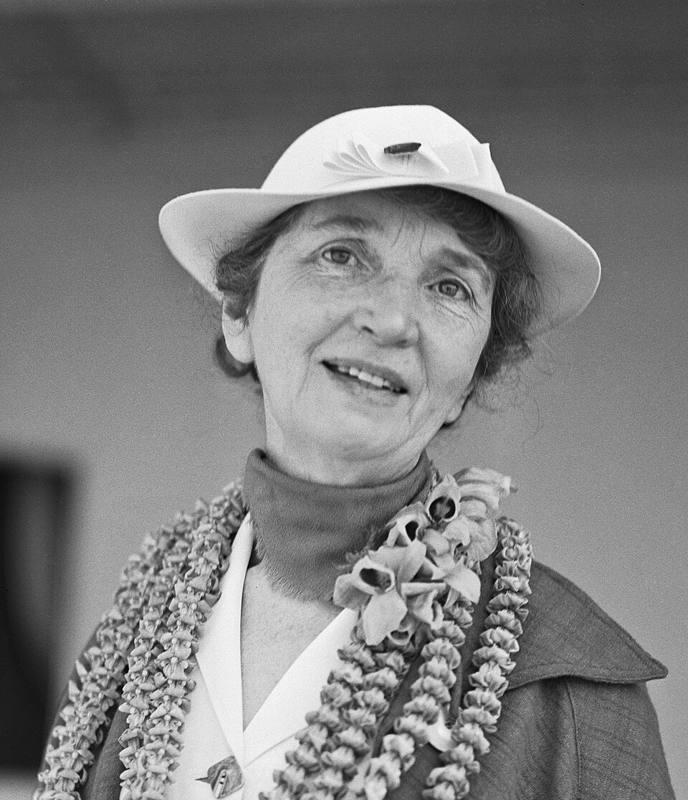
Key people
- Margaret Sanger
- Public health nurse who opened the Brownsville clinic
- Ethel Byrne
- Sanger's sister, a registered nurse, jailed and force-fed after the raid
- Fania Mindell
- Interpreter who helped run the clinic; fined after the trials
- Frederick Crane
- Judge whose 1918 opinion widened physicians' right to prescribe contraception
Source
At the start of the 20th century, giving out information about contraception or contraceptive devices was illegal under federal and state laws. American families had shrunk from an average of 7.0 children in 1800 to 3.5 in 1900, yet 6 to 9 of every 1,000 women died in childbirth. Margaret Sanger, a public health nurse troubled by the toll of frequent childbirth, miscarriage and abortion, began campaigning in 1912 to spread information about contraception, and in Holland in 1915 she saw birth control clinics at work.
In 1916 Sanger, her sister Ethel Byrne, a registered nurse, and Fania Mindell, an interpreter from Chicago, rented a small storefront in the Brownsville section of Brooklyn and handed out flyers in English, Yiddish and Italian. The clinic opened on 16 October. For ten cents a woman received Sanger's pamphlet What Every Girl Should Know, a short talk on the female reproductive system and instruction in the use of contraceptives. More than 100 women came on the first day and some 400 by 26 October.
On 26 October an undercover policewoman and vice squad officers arrested the three women. Sanger reopened the clinic on 14 November and was arrested again. When she opened it once more on 16 November, police made the landlord evict her, and it closed for good. At trial in January 1917 Byrne was convicted and sentenced to 30 days on Blackwell's Island. She went on a hunger strike and was force-fed after 185 hours without food or water, and Governor Whitman then pardoned her. Sanger was also convicted. Offered a suspended sentence if she promised not to repeat the offense, she refused, chose jail over a fine and served 30 days in the Queens County Penitentiary. Mindell was fined fifty dollars.
In January 1918 the New York Court of Appeals upheld Sanger's conviction. Judge Frederick Crane's opinion, however, read the state's Little Comstock law as allowing physicians to prescribe contraception for general health reasons, not only against venereal disease, which gave women in New York some legal access to it. By the 1930s a few state health departments, such as North Carolina's, and some public hospitals had begun to offer family planning services.
Keep exploring
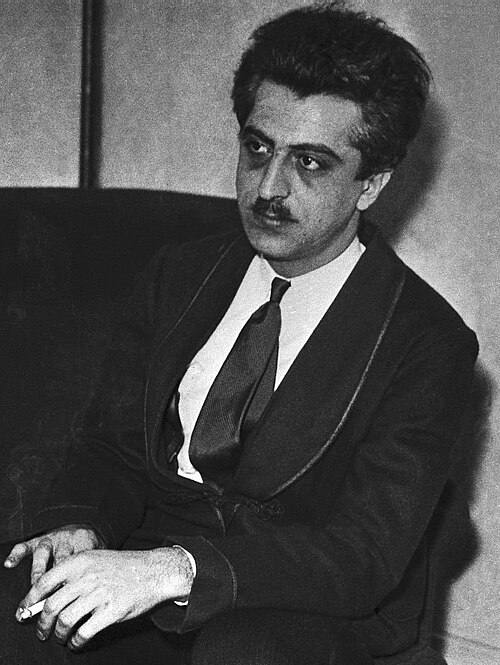 Read next · same person
Enovid: First FDA-Approved Oral Contraceptive Pill (1960)
Margaret Sanger, who opened the first US birth control clinic, later helped pay for the research that produced the pill. The Enovid story shows the first oral contraceptive approved by the FDA in 1960.
Read this moment
Read next · same person
Enovid: First FDA-Approved Oral Contraceptive Pill (1960)
Margaret Sanger, who opened the first US birth control clinic, later helped pay for the research that produced the pill. The Enovid story shows the first oral contraceptive approved by the FDA in 1960.
Read this moment
 Today on The Clinical Times
Love to Dream recalls portable baby sound machine over fire and burn risk
Love to Dream has recalled its portable Sleep Machine because its lithium-ion battery can overheat while charging with an incompatible charger, creating a risk of fire and burns.
Read today’s top stories
Today on The Clinical Times
Love to Dream recalls portable baby sound machine over fire and burn risk
Love to Dream has recalled its portable Sleep Machine because its lithium-ion battery can overheat while charging with an incompatible charger, creating a risk of fire and burns.
Read today’s top stories
All 526 moments in the history of medicine. This one is in chapter 5, Cures and codes
Connected moments
How this moment links to others in the history of medicine, and what you will find in each.
-
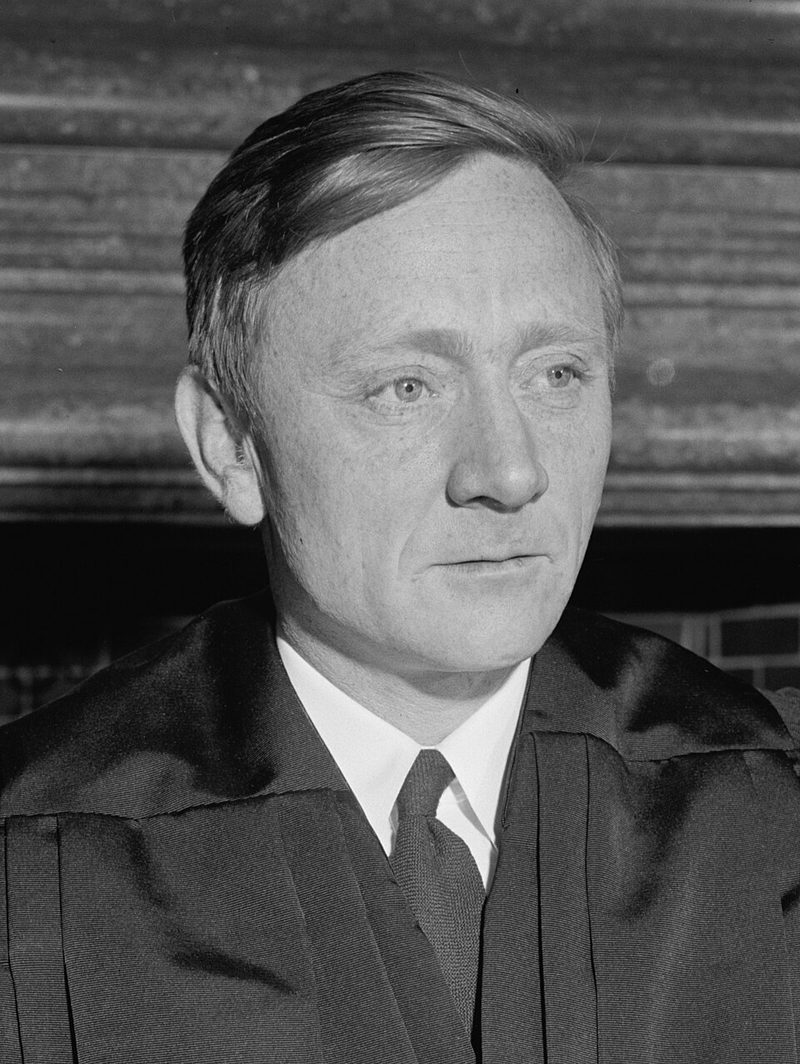 Same disease or problem1965Griswold v. ConnecticutSanger was jailed for giving out contraception, and in 1965 the Supreme Court struck down a state ban on using it. The Griswold story shows the right of privacy the Court found in the Constitution.Read this moment
-
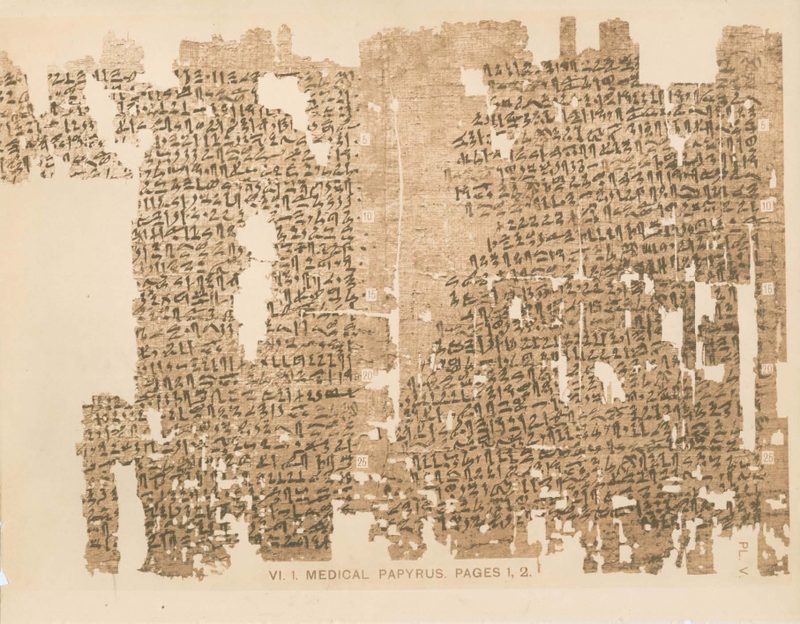 Same disease or problemc. 1825 BCEThe Kahun Gynaecological PapyrusSanger fought to give women the means to prevent pregnancy, a need already written into an Egyptian papyrus 3,700 years earlier. The Kahun story shows the oldest known text on gynecology, with what may be contraceptive recipes.Read this moment