Reproductive Health
1965
Griswold v. Connecticut
The US Supreme Court struck down Connecticut's ban on using contraceptives as applied to married couples, holding 7 to 2 that it violated a constitutional right of privacy. In 1972 Eisenstadt v. Baird extended the right to unmarried people.
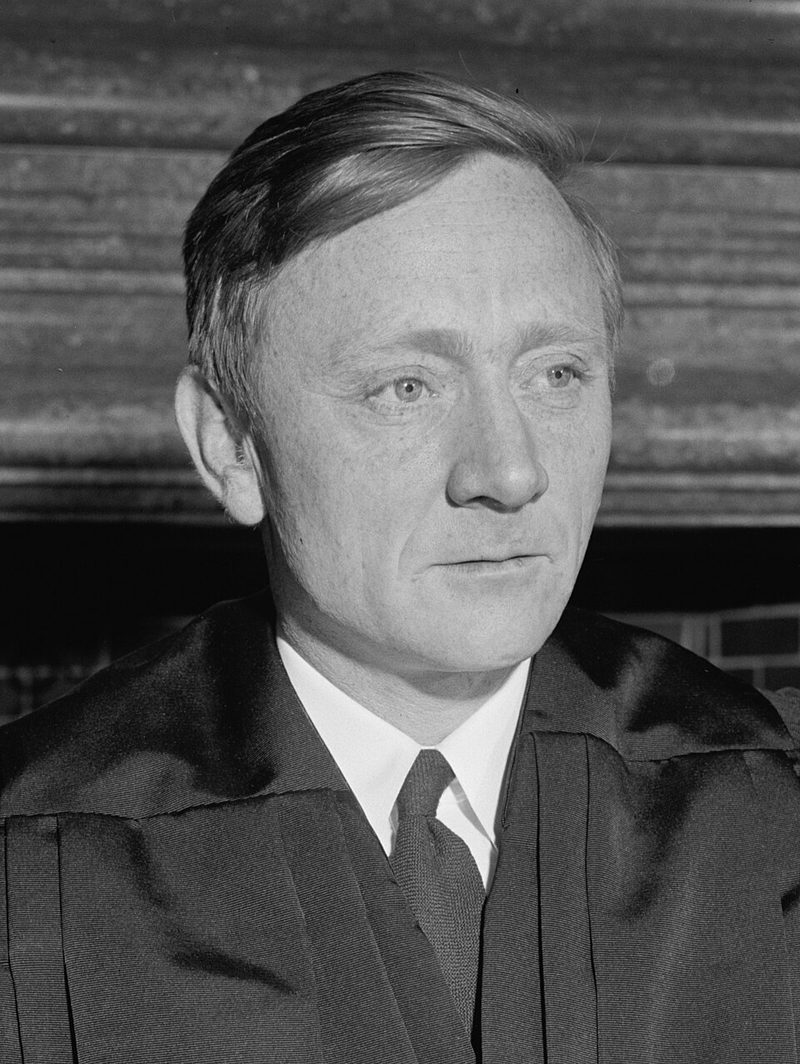
Key people
- Estelle Griswold
- Executive director of the Planned Parenthood League of Connecticut
- C. Lee Buxton
- Yale physician and the league's medical director
- William O. Douglas
- Justice who wrote the majority opinion
Source
Griswold v. Connecticut, 381 U.S. 479 (1965). (opens in a new tab)
Connecticut's law dated from 1879, when P. T. Barnum, then a state senator, introduced a bill against contraception. As codified, it punished anyone who used any drug, medicinal article or instrument to prevent conception with a fine of at least $50, 60 days to a year in prison, or both, and a companion statute let anyone who helped be prosecuted as if they were the offender. Birth control groups tried from the 1920s to have it repealed. The law was rarely enforced, but courts turned back challenges to it, among them the Supreme Court in Poe v. Ullman in 1961.
Estelle Griswold, executive director of the Planned Parenthood League of Connecticut, had helped take women across state lines to New York and Rhode Island for birth control information. With C. Lee Buxton, a physician and professor at Yale Medical School and the league's medical director, she opened a center in New Haven. It ran from 1 to 10 November 1961, giving married people advice on preventing pregnancy and, after examination, prescribing a device or material for the wife. The two were arrested, convicted as accessories and fined $100 each. The prosecution was what they had planned for, a route to challenge the statute.
The Supreme Court decided the case on 7 June 1965, 7 to 2. Justice William O. Douglas wrote for the Court that specific guarantees in the Bill of Rights have penumbras that create zones of privacy, and that marriage lay within one. He asked whether police should be allowed to search marital bedrooms for signs of contraceptive use. Justice Arthur Goldberg, joined by Chief Justice Earl Warren and Justice William Brennan, also relied on the Ninth Amendment; Justices John Marshall Harlan and Byron White rested on the Fourteenth Amendment's due process clause. Justices Hugo Black and Potter Stewart dissented. Stewart called the law silly but found nothing in the Constitution that forbade it.
The decision covered married couples. On 22 March 1972, in Eisenstadt v. Baird, the Court struck down a Massachusetts law against giving contraceptives to unmarried people as a denial of equal protection. Justice William Brennan wrote for the Court that the right of privacy belongs to the individual, married or single.
Keep exploring
 Read next · same disease or problem
Sanger's Brownsville birth control clinic (1916)
Both opened birth control clinics in defiance of laws against contraception, and both ended in arrests and court. Sanger's entry shows the 1916 Brooklyn clinic closed within ten days, and the court case that let New York doctors prescribe contraception.
Read this moment
Read next · same disease or problem
Sanger's Brownsville birth control clinic (1916)
Both opened birth control clinics in defiance of laws against contraception, and both ended in arrests and court. Sanger's entry shows the 1916 Brooklyn clinic closed within ten days, and the court case that let New York doctors prescribe contraception.
Read this moment
 Today on The Clinical Times
Love to Dream recalls portable baby sound machine over fire and burn risk
Love to Dream has recalled its portable Sleep Machine because its lithium-ion battery can overheat while charging with an incompatible charger, creating a risk of fire and burns.
Read today’s top stories
Today on The Clinical Times
Love to Dream recalls portable baby sound machine over fire and burn risk
Love to Dream has recalled its portable Sleep Machine because its lithium-ion battery can overheat while charging with an incompatible charger, creating a risk of fire and burns.
Read today’s top stories
All 526 moments in the history of medicine. This one is in chapter 6, Trials, scanners and rights
Connected moments
How this moment links to others in the history of medicine, and what you will find in each.
-
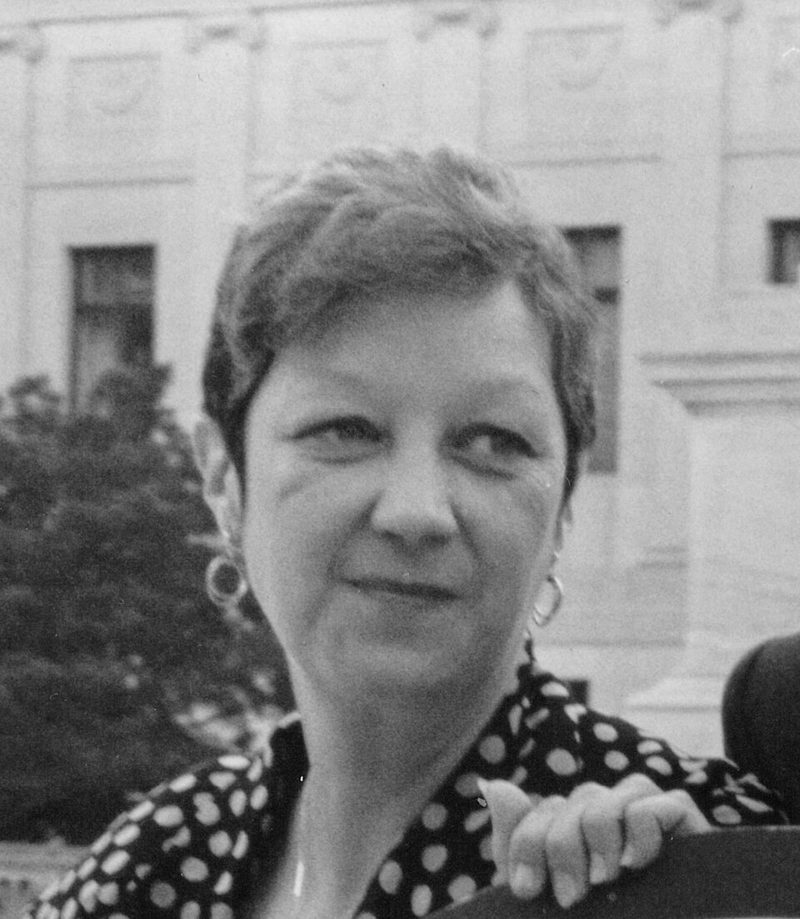 Same disease or problem1973Roe v. WadeBoth rested reproductive decisions on a constitutional right of privacy. Roe shows the Court extending that privacy to a woman's qualified right to end a pregnancy in 1973.Read this moment
-
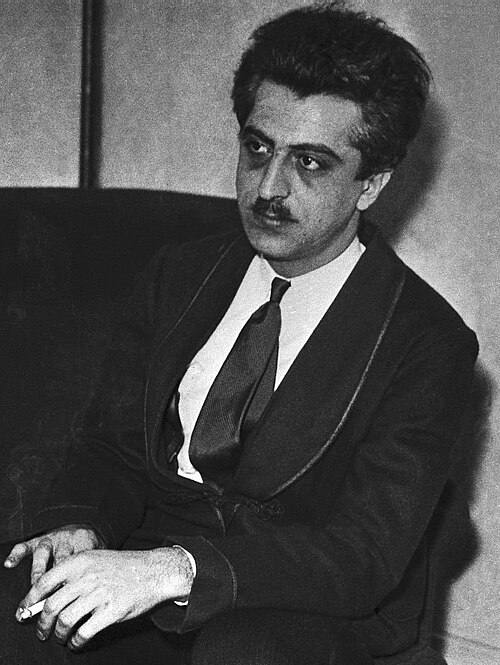 Same disease or problem1960Enovid: First FDA-Approved Oral Contraceptive PillThe pill reached the market in 1960 while laws like Connecticut's still banned contraceptive use. The Enovid entry shows how the first oral contraceptive was developed and why its high doses were later cut.Read this moment