Patients & Rights
1965
Medicare and Medicaid Act
The Social Security Amendments of 1965 created Medicare, federal health insurance for people 65 and older, and Medicaid, a state and federal program for people with limited income. Nearly 20 million people enrolled in Medicare in its first three years.
Key people
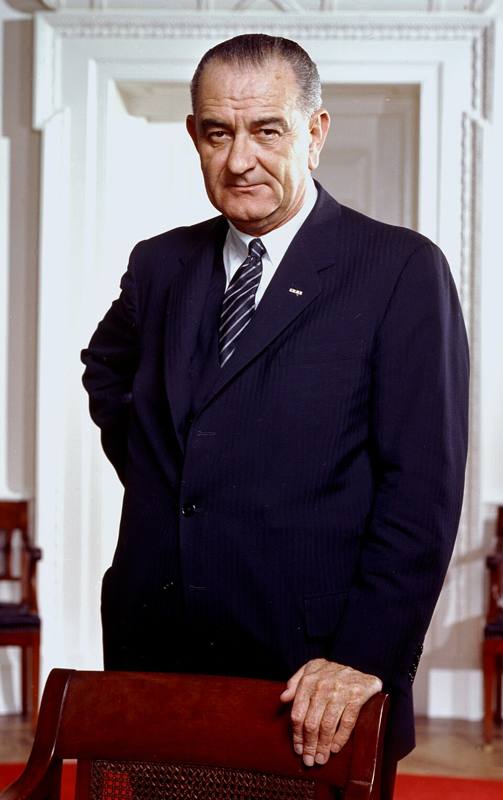
- Lyndon B. Johnson
- President who signed the Social Security Amendments of 1965
- Harry S. Truman
- Former president whose national health insurance proposal began the debate
Source
When Congress passed Medicare in the summer of 1965, the argument over it was twenty years old. Harry Truman had asked Congress for a national health insurance plan, opponents attacked it as socialized medicine, and by the end of his presidency he had backed away from universal coverage. Planners in the Social Security system turned to a narrower target: insurance for Social Security beneficiaries. Their case grew stronger each year. The aged population rose from about 12 million in 1950 to 17.5 million in 1963, hospital costs climbed about 6.7 percent a year, several times the rise in the cost of living, and private insurers treated older people as a bad risk.
Between 1960 and 1965 dozens of proposals came before Congress, with testimony from the American Hospital Association, the American Medical Association and the AFL-CIO. The law that emerged added Title XVIII to the Social Security Act, with hospital insurance for people 65 and older (Part A) and supplementary medical insurance (Part B). Medicare was funded by a tax on employees' earnings, matched by employers. Medicaid, paid for by the states and the federal government, offered health insurance to people with limited income; at first it covered people who received cash assistance.
Lyndon Johnson chose to sign the bill at the Truman Library in Independence, Missouri, to credit Truman's early effort. On July 30, 1965, he flew there with Mrs. Johnson, AFL-CIO president George Meany, Health, Education and Welfare Secretary Anthony Celebrezze, Governor John Connally of Texas, 13 senators and 19 representatives. After brief remarks he signed the amendments and gave the first pen to Mrs. Truman and the next to the former president.
More than half of older Americans had no health insurance when the law passed, and nearly 20 million people enrolled in Medicare in its first three years. Medicare also forced change inside hospitals. Hospitals had to comply with Title VI of the Civil Rights Act to receive Medicare payments, and a 2005 review in CMS's Health Care Financing Review reports that racial segregation in hospitals ended within four months of the program's start in July 1966. Elderly Black patients had been less likely to be hospitalized; the gap narrowed and within a decade had largely closed. In 1972 Congress extended Medicare to people with disabilities and to people with end-stage kidney disease who needed dialysis or a transplant.
Keep exploring
 Read next · same disease or problem
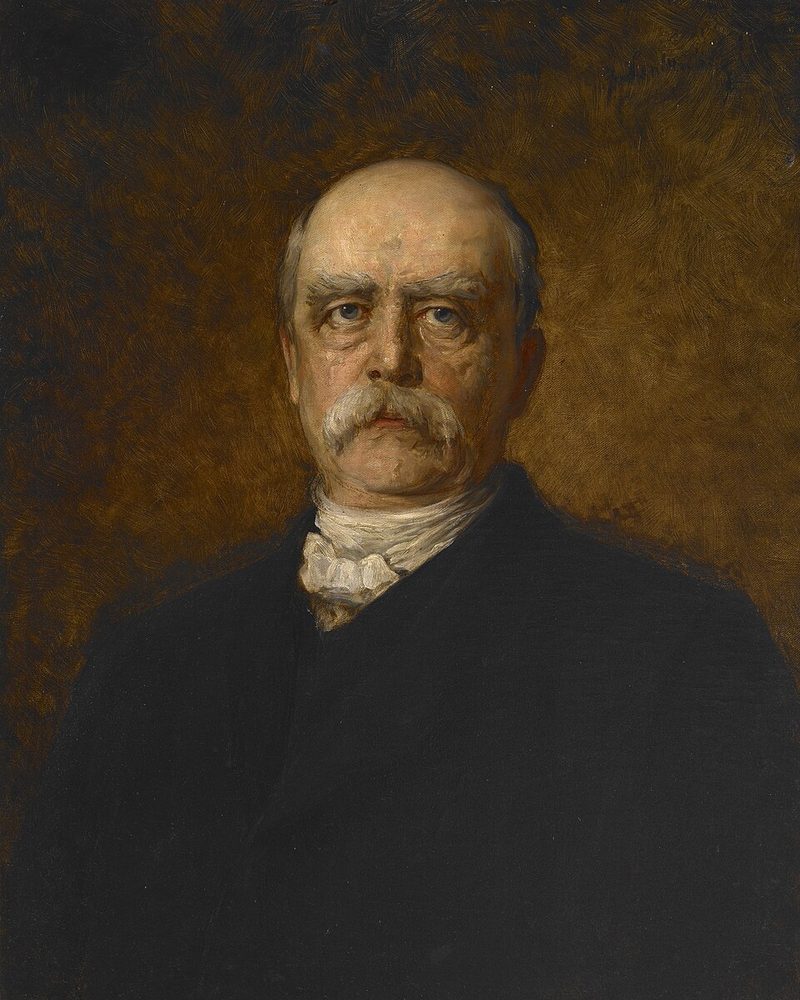
Germany's Health Insurance Law of 1883
Both paid for care through contributions taken from workers' pay and matched by employers. Germany's entry shows compulsory sickness insurance for industrial workers in 1883, which spread to most of the population.
Read this moment
Read next · same disease or problem
Germany's Health Insurance Law of 1883
Both paid for care through contributions taken from workers' pay and matched by employers. Germany's entry shows compulsory sickness insurance for industrial workers in 1883, which spread to most of the population.
Read this moment
 Today on The Clinical Times
Love to Dream recalls portable baby sound machine over fire and burn risk
Love to Dream has recalled its portable Sleep Machine because its lithium-ion battery can overheat while charging with an incompatible charger, creating a risk of fire and burns.
Read today’s top stories
Today on The Clinical Times
Love to Dream recalls portable baby sound machine over fire and burn risk
Love to Dream has recalled its portable Sleep Machine because its lithium-ion battery can overheat while charging with an incompatible charger, creating a risk of fire and burns.
Read today’s top stories
All 526 moments in the history of medicine. This one is in chapter 6, Trials, scanners and rights
Connected moments
How this moment links to others in the history of medicine, and what you will find in each.
- Led to1966Medicare and hospital desegregationMedicare payments required hospitals to comply with the Civil Rights Act. The desegregation entry shows volunteer inspectors certifying hospitals, and more than 1,000 integrating their wards in under four months.Read this moment
-
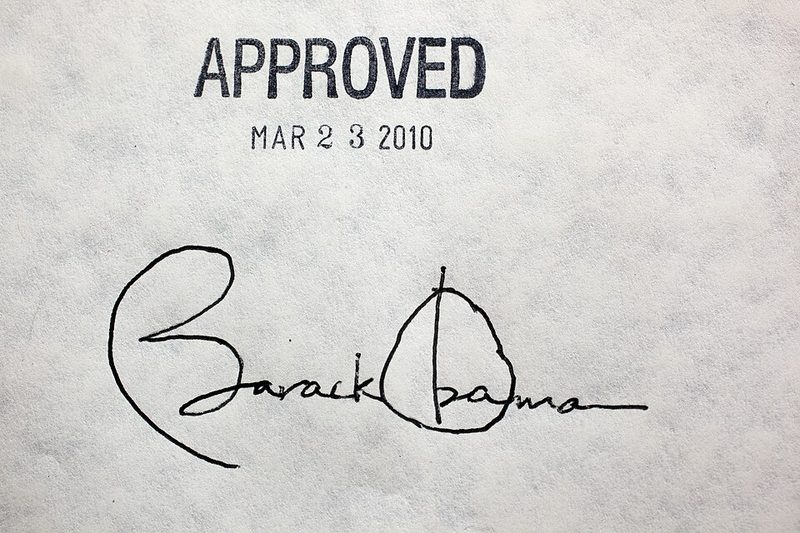 Same disease or problem2010Patient Protection and Affordable Care ActThe Affordable Care Act expanded the Medicaid program that the 1965 law created. That entry shows the ban on preexisting condition exclusions and 20.5 million fewer uninsured Americans by 2017.Read this moment
-
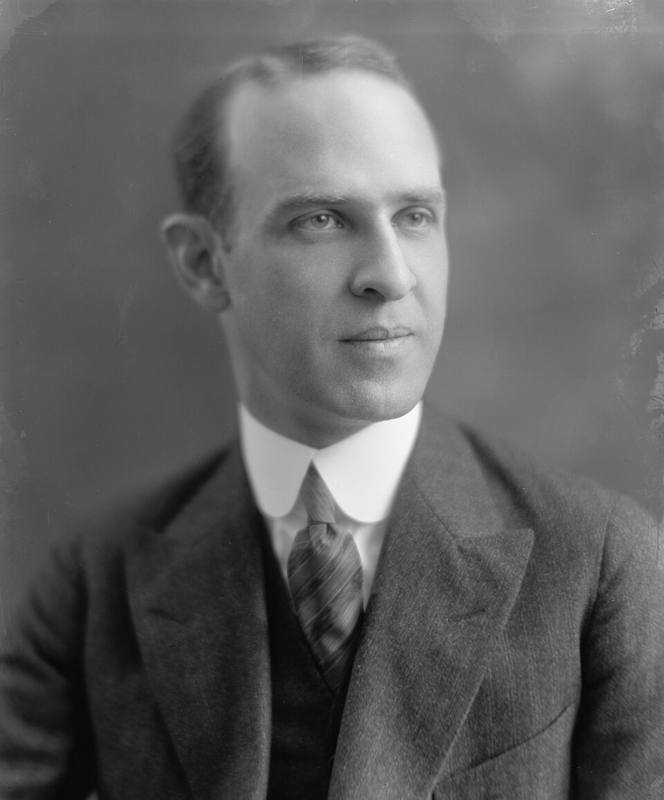 Same person1946The Hill-Burton ActHarry Truman, whose early push Johnson honored by signing Medicare at his library, also signed Hill-Burton. That entry shows federal money building hospitals in return for a promise of care for people unable to pay.Read this moment