Patients & Rights
1966
Medicare and hospital desegregation
To be paid by Medicare from July 1966, US hospitals had to show they did not discriminate by race under Title VI. Federal inspectors certified them, and more than 1,000 hospitals integrated staffs, waiting rooms and wards in under four months.
Key people
- John Gardner
- Secretary of Health, Education, and Welfare during the 1966 certification drive
Source
In 1959, 83 percent of general hospitals in the North cared for patients on an integrated basis. In the South the figure was 6 percent. Black patients there were turned away or put on a separate ward, sometimes in the basement. The 1963 Simkins decision struck down the separate-facilities clause of the Hill-Burton Act, and it helped secure Title VI of the Civil Rights Act of 1964, which barred federal money from any program that discriminated by race.
Through 1965 Title VI did little to change segregated care in hospitals built with Hill-Burton money. According to David Barton Smith, who has studied the campaign, its implications were never mentioned while Congress debated Medicare in 1965. Medicare, due to start on 1 July 1966, changed that: a hospital had to be certified as complying with Title VI before it could be paid. Nearly 7,500 hospitals had to be certified for safety standards and Title VI, while 19 million older Americans were enrolled. The office set up in March 1966 to do the civil rights certification had a staff of five.
John Gardner, Secretary of Health, Education, and Welfare, recast his department as a civil rights agency in a memo at the end of December 1965. Almost 1,000 civil servants volunteered for temporary duty as hospital inspectors, among them Public Health Service officers, laboratory scientists and local Social Security staff, and about 60 medical students joined them for the summer. Physicians and members of the Medical Committee for Human Rights, the National Medical Association and the NAACP Legal Defense Fund helped train them. The guidelines were specific, and no hospital was to be certified without full compliance. Local activists were urged to file complaints where they knew of violations.
More than 1,000 hospitals integrated their medical staffs, waiting rooms and floors in less than four months. When Medicare began, 97 percent of the country's acute hospital beds were in hospitals that complied with Title VI and took part in the program. The effort stopped at the hospital door. No one inspected nursing homes for compliance, and physicians were specifically exempted from Title VI.
Keep exploring
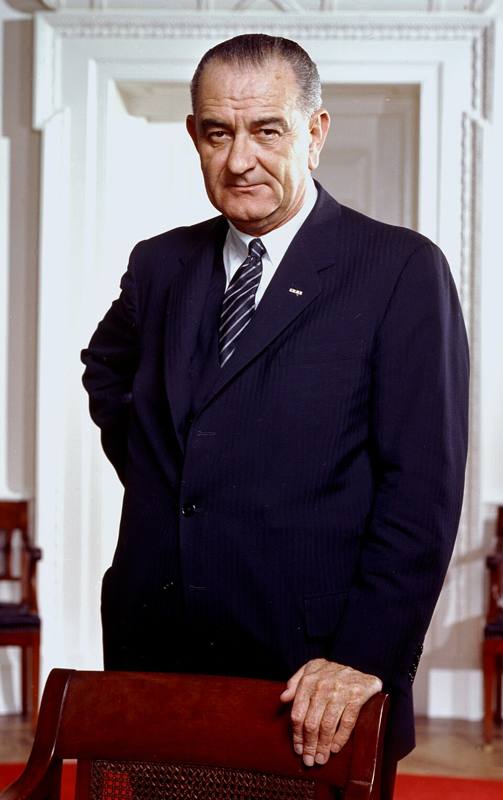 Read next · built on
Medicare and Medicaid Act (1965)
Medicare's payments gave the government leverage to demand hospital compliance with civil rights law. The Medicare entry shows how the 1965 law created insurance for older and low income Americans.
Read this moment
Read next · built on
Medicare and Medicaid Act (1965)
Medicare's payments gave the government leverage to demand hospital compliance with civil rights law. The Medicare entry shows how the 1965 law created insurance for older and low income Americans.
Read this moment
 Today on The Clinical Times
Love to Dream recalls portable baby sound machine over fire and burn risk
Love to Dream has recalled its portable Sleep Machine because its lithium-ion battery can overheat while charging with an incompatible charger, creating a risk of fire and burns.
Read today’s top stories
Today on The Clinical Times
Love to Dream recalls portable baby sound machine over fire and burn risk
Love to Dream has recalled its portable Sleep Machine because its lithium-ion battery can overheat while charging with an incompatible charger, creating a risk of fire and burns.
Read today’s top stories
All 526 moments in the history of medicine. This one is in chapter 6, Trials, scanners and rights
Connected moments
How this moment links to others in the history of medicine, and what you will find in each.
-
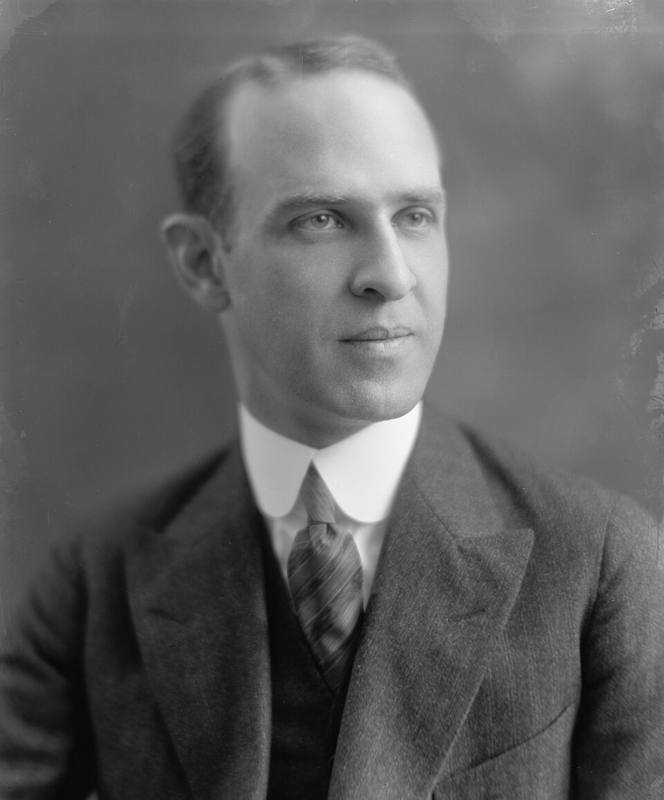 Built on1946The Hill-Burton ActThe 1963 Simkins ruling against Hill-Burton's separate facilities clause helped secure the civil rights law Medicare enforced. The Hill-Burton entry shows federal money building hospitals that could legally be segregated until 1963.Read this moment
-
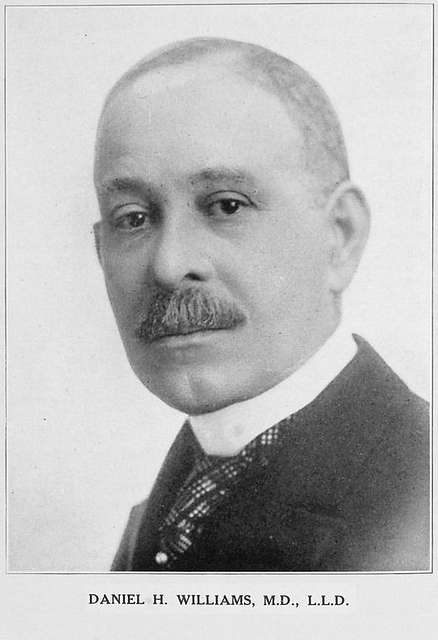 Same disease or problem1893Daniel Hale Williams and Provident HospitalBoth confronted racial segregation in American hospitals, decades apart. Provident's entry shows a Black surgeon founding a hospital where Black doctors and nurses could train, and operating on a stabbed man's heart.Read this moment
- Same disease or problem1986Emergency Medical Treatment and Labor Act (EMTALA)Both used Medicare money to stop hospitals from turning patients away. EMTALA shows how patient dumping of people unable to pay led to a duty to screen and stabilize everyone.Read this moment