Patients & Rights
1946
The Hill-Burton Act
The 1946 Hill-Burton Act helped pay for hospital surveys and construction across the United States in return for a promise of care for people unable to pay. It allowed racially separate facilities until a federal appeals court struck that clause down in 1963.
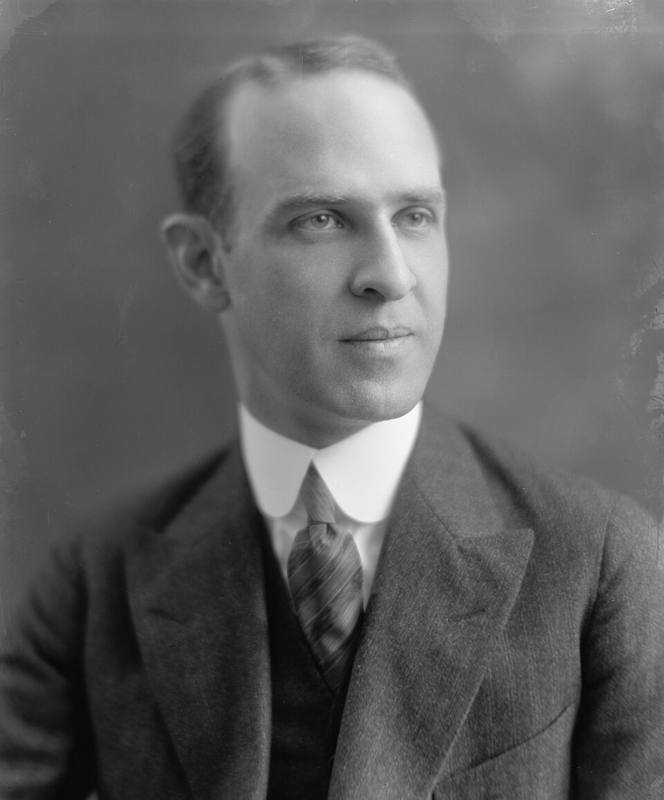
Key people
- Lister Hill
- Alabama senator and co-sponsor of the act
- Harold Burton
- Ohio senator and co-sponsor of the act
- George Simkins
- Greensboro dentist who led the 1962 suit against segregated hospitals
Source
President Harry Truman signed the Hospital Survey and Construction Act on 13 August 1946, calling hospital construction the first item of the five-point health program he had put to Congress. Named for its Senate sponsors, Lister Hill of Alabama and Harold Burton of Ohio, it paid states to survey their hospitals and plan for need, and authorized $75 million a year for five years to help build public and nonprofit hospitals. Truman objected to one clause, which let an advisory council overrule the Surgeon General.
Two conditions came with the money. A state plan had to provide adequate hospitals for all residents without discrimination on account of race, creed or color, and each assisted hospital was to give a reasonable volume of services to people unable to pay, unless that was financially infeasible. But the law made an exception where separate hospital facilities were provided for separate population groups, if the plan made equitable provision for facilities of like quality. In the South, where many Hill-Burton facilities were built, the exception allowed segregated hospitals.
About $1.55 billion in federal funds was approved for projects from 1947 to 1961, and the program eventually helped finance some 9,200 new hospitals and other facilities, almost a third of all hospital projects in the country. It raised bed numbers in low-income states and brought hospitals to rural areas. Critics, according to a 2002 history in the Journal of the Medical Library Association, said new hospitals clustered in middle-income areas and that the program contributed to an oversupply of beds.
In 1962 the dentist George Simkins, the physician Alvin Blount and other Black physicians, dentists and patients sued two hospitals in Greensboro, North Carolina, built partly with Hill-Burton money. Wesley Long Community Hospital excluded Black patients and professionals entirely; Moses H. Cone Memorial Hospital admitted a few Black patients on special conditions and gave Black doctors no staff privileges. On 1 November 1963 the Fourth Circuit Court of Appeals, sitting en banc, held that the hospitals' participation made their conduct state action and declared the separate-facilities clause invalid. The Supreme Court declined to hear the case in 1964.
The free-care promise outlasted the building money. Federal funding stopped in 1997, but about 127 facilities remain obligated to provide free or reduced-cost care, and since 1980 they have given more than $6 billion in uncompensated services, according to the Health Resources and Services Administration.
Keep exploring
 Read next · same disease or problem
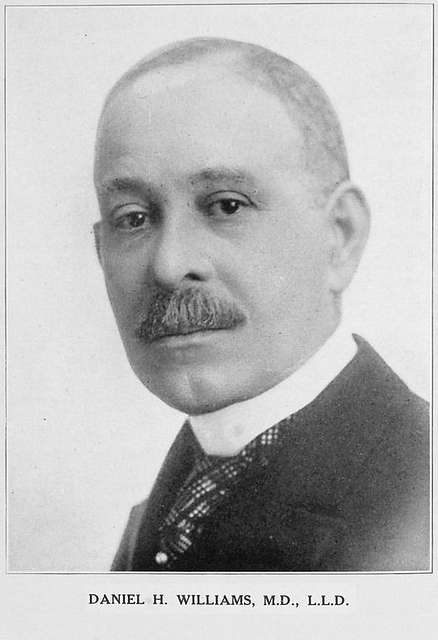
Daniel Hale Williams and Provident Hospital (1893)
Hill-Burton money built segregated hospitals, and Williams had founded Provident because white hospitals shut out Black doctors and nurses. His story shows the first hospital founded and fully controlled by Black Americans.
Read this moment
Read next · same disease or problem
Daniel Hale Williams and Provident Hospital (1893)
Hill-Burton money built segregated hospitals, and Williams had founded Provident because white hospitals shut out Black doctors and nurses. His story shows the first hospital founded and fully controlled by Black Americans.
Read this moment
 Today on The Clinical Times
Love to Dream recalls portable baby sound machine over fire and burn risk
Love to Dream has recalled its portable Sleep Machine because its lithium-ion battery can overheat while charging with an incompatible charger, creating a risk of fire and burns.
Read today’s top stories
Today on The Clinical Times
Love to Dream recalls portable baby sound machine over fire and burn risk
Love to Dream has recalled its portable Sleep Machine because its lithium-ion battery can overheat while charging with an incompatible charger, creating a risk of fire and burns.
Read today’s top stories
All 526 moments in the history of medicine. This one is in chapter 5, Cures and codes
Connected moments
How this moment links to others in the history of medicine, and what you will find in each.
- Led to1966Medicare and hospital desegregationThe 1963 Simkins case struck down Hill-Burton's separate facilities clause, and Medicare in 1966 forced hospitals to integrate. That story shows more than 1,000 hospitals desegregating in under four months.Read this moment
-
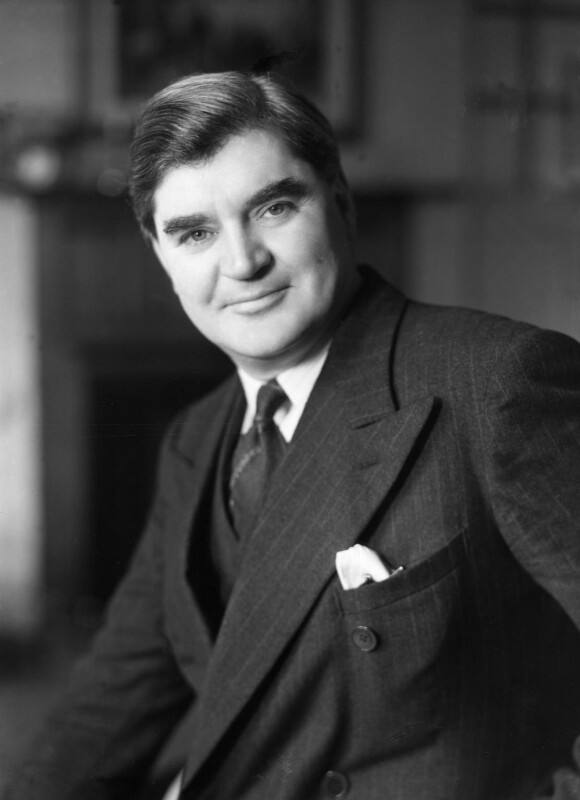 Same disease or problem1948Launch of the National Health ServiceBoth reshaped hospitals after the war, Hill-Burton by funding new ones across America and the NHS by taking over Britain's. The NHS story shows care made free at the point of use in 1948.Read this moment