Oncology
1946
Nitrogen Mustard Chemotherapy
In 1946 researchers published results of nitrogen mustard, a relative of mustard gas, against lymphomas and leukemia. The first patient, treated at Yale in secret in 1942, showed both tumor regression and the bone marrow damage that still limits chemotherapy.
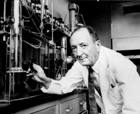
Key people
- Alfred Gilman
- Yale pharmacologist who led the wartime nitrogen mustard research
- Louis S. Goodman
- Yale physician and pharmacologist; lead author of the 1946 report
- Thomas Dougherty
- Yale anatomist who ran the mouse lymphoma experiments
- Gustaf Lindskog
- Yale assistant professor of surgery shown the mouse results
Source
The lead came from poison gas. Gases used in the First World War caused 1,205,655 non-fatal casualties and 91,198 deaths, and in 1919 Edward Krumbhaar, who had treated exposed soldiers at a hospital in France, reported what mustard gas did to their blood and bone marrow, including a fall in white cells.
When war came again, the US Office of Scientific Research and Development contracted with Yale School of Medicine to study the gases and possible antidotes. The pharmacologist Alfred Gilman and the physician and pharmacologist Louis Goodman gave nitrogen mustard to rabbits and saw their lymphocytes and granulocytes fall. That suggested a use against cancers of lymphoid tissue. With the anatomist Thomas Dougherty they treated mice carrying transplanted lymphomas; the tumors shrank and the mice lived longer. They took the results to Gustaf Lindskog, then an assistant professor of surgery at Yale.
The patient, known in the records only as JD, was an immigrant who worked in a ball bearing factory in Connecticut. His illness began in August 1940 with an enlarged tonsil and pain under the jaw, and was diagnosed as lymphosarcoma. Surgery and repeated radiation failed, and by August 1942 he had trouble breathing and swallowing and was losing weight. At 10 a.m. on 27 August 1942 he received 0.1 mg per kilogram of what the chart called a synthetic lymphocidal chemical, the first of 10 daily intravenous doses. His tumors regressed.
The response did not last. His white cell and platelet counts fell, his gums bled and he needed transfusions, and by day 49 the tumors had returned. Further courses helped only briefly, and he died on 1 December 1942, 96 days after the first dose. The work stayed secret during the war. In 1946 Goodman, Wintrobe and colleagues reported nitrogen mustard treatment of Hodgkin's disease, lymphosarcoma and leukemia in JAMA. JD's chart was found in an off-site storage facility in May 2010, and his story was first told at Yale in January 2011.
Keep exploring
 Read next · led to
MOPP combination chemotherapy for Hodgkin's disease (1970)
Nitrogen mustard alone shrank lymphomas only for a while, and MOPP combined it with three other drugs. Its story shows about half of patients with widespread Hodgkin's disease left alive and disease free.
Read this moment
Read next · led to
MOPP combination chemotherapy for Hodgkin's disease (1970)
Nitrogen mustard alone shrank lymphomas only for a while, and MOPP combined it with three other drugs. Its story shows about half of patients with widespread Hodgkin's disease left alive and disease free.
Read this moment
 Today on The Clinical Times
Love to Dream recalls portable baby sound machine over fire and burn risk
Love to Dream has recalled its portable Sleep Machine because its lithium-ion battery can overheat while charging with an incompatible charger, creating a risk of fire and burns.
Read today’s top stories
Today on The Clinical Times
Love to Dream recalls portable baby sound machine over fire and burn risk
Love to Dream has recalled its portable Sleep Machine because its lithium-ion battery can overheat while charging with an incompatible charger, creating a risk of fire and burns.
Read today’s top stories
All 526 moments in the history of medicine. This one is in chapter 5, Cures and codes
Connected moments
How this moment links to others in the history of medicine, and what you will find in each.
-
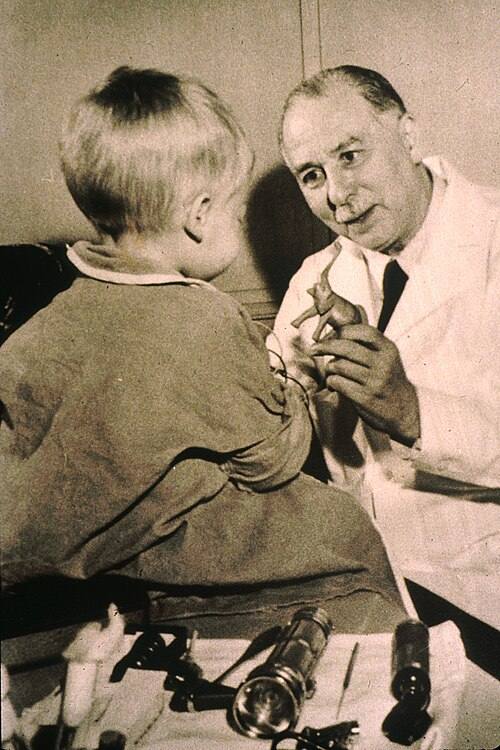 Same disease or problem1948Aminopterin-induced remissions in childhood acute leukemiaNitrogen mustard shrank a lymphoma in 1942, and in 1948 aminopterin gave the first drug remissions of childhood leukemia. Farber's story shows ten of sixteen children entering remission.Read this moment
-
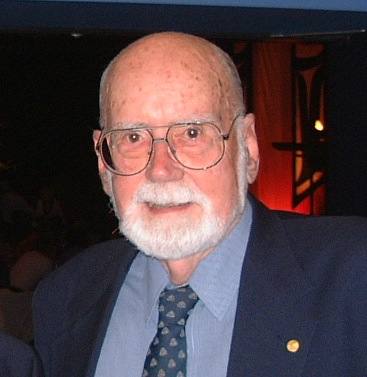 Same disease or problem1975Allogeneic bone marrow (hematopoietic stem cell) transplantation as curative therapy (Thomas)The first mustard patient showed the bone marrow damage that still limits chemotherapy, and marrow transplants later let doctors give far higher doses. The Seattle story shows high dose therapy followed by a sibling's marrow curing some leukemia.Read this moment