Public Health
1946
Founding of the Communicable Disease Center
On 1 July 1946 the US Public Health Service opened the Communicable Disease Center in Atlanta, built from its wartime malaria control program. It grew into the national center for disease surveillance and outbreak investigation, today's Centers for Disease Control and Prevention.
Key people
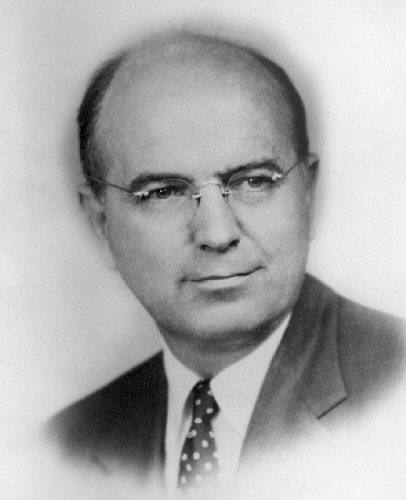
- Joseph W. Mountin
- Public Health Service leader who founded the Communicable Disease Center
- Alexander Langmuir
- Head of epidemiology from 1949; created the Epidemic Intelligence Service
Source
During the Second World War a Public Health Service unit called Malaria Control in War Areas kept the southeastern states free of malaria, and for about a year of murine typhus as well. On 1 July 1946 its staff became the Communicable Disease Center, organized in Atlanta. The new agency occupied one floor of the Volunteer Building on Peachtree Street, with fewer than 400 employees, most of them engineers and entomologists, and a budget of $10 million. Its first task was to keep malaria from spreading across the nation, and early on it struggled to find enough trucks, sprayers and shovels for the fight against mosquitoes.
Its founder, Joseph W. Mountin, pressed for the center to take on all communicable diseases and to serve the states, giving practical help whenever asked. In 1947 it paid Emory University a token $10 for 15 acres on Clifton Road in Atlanta, the site of its headquarters. Medical epidemiologists were scarce until Alexander Langmuir arrived in 1949 to head the epidemiology branch, and disease surveillance became the core of the center's work for the states.
The Korean War, which began in 1950, raised fears of biological warfare, and Langmuir used them to create the Epidemic Intelligence Service. Its first class of officers arrived in Atlanta for training in 1951, pledged to go wherever they were called for two years. In 1955, when polio appeared in children given the newly approved Salk vaccine, the cases were traced to contaminated vaccine from one laboratory in California, and vaccination resumed. Surveillance of the 1957 influenza epidemic shaped national guidelines for influenza vaccine.
The center took in the federal venereal disease program in 1957, tuberculosis control in 1960, and immunization practices and the MMWR in 1961. It became the Center for Disease Control in 1970 and the Centers for Disease Control in 1981. The words and Prevention were added in 1992, and by law the agency kept the initials CDC.
Keep exploring
 Read next · built on
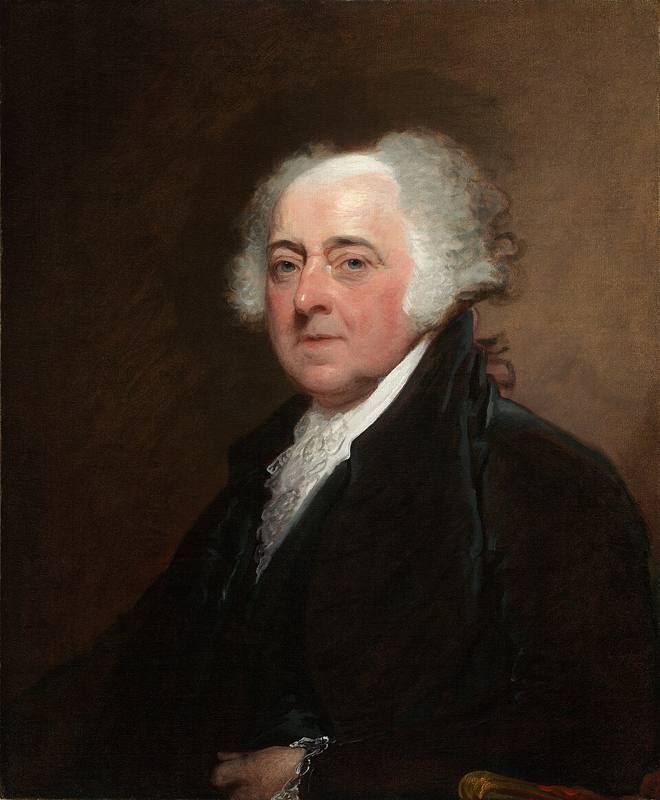
The Act for the Relief of Sick and Disabled Seamen (1798)
The CDC was opened by the Public Health Service, which grew from the Marine Hospital Service of 1798. That story shows sailors' wages taxed to pay for their care.
Read this moment
Read next · built on
The Act for the Relief of Sick and Disabled Seamen (1798)
The CDC was opened by the Public Health Service, which grew from the Marine Hospital Service of 1798. That story shows sailors' wages taxed to pay for their care.
Read this moment
 Today on The Clinical Times
Love to Dream recalls portable baby sound machine over fire and burn risk
Love to Dream has recalled its portable Sleep Machine because its lithium-ion battery can overheat while charging with an incompatible charger, creating a risk of fire and burns.
Read today’s top stories
Today on The Clinical Times
Love to Dream recalls portable baby sound machine over fire and burn risk
Love to Dream has recalled its portable Sleep Machine because its lithium-ion battery can overheat while charging with an incompatible charger, creating a risk of fire and burns.
Read today’s top stories
All 526 moments in the history of medicine. This one is in chapter 5, Cures and codes
Connected moments
How this moment links to others in the history of medicine, and what you will find in each.
-
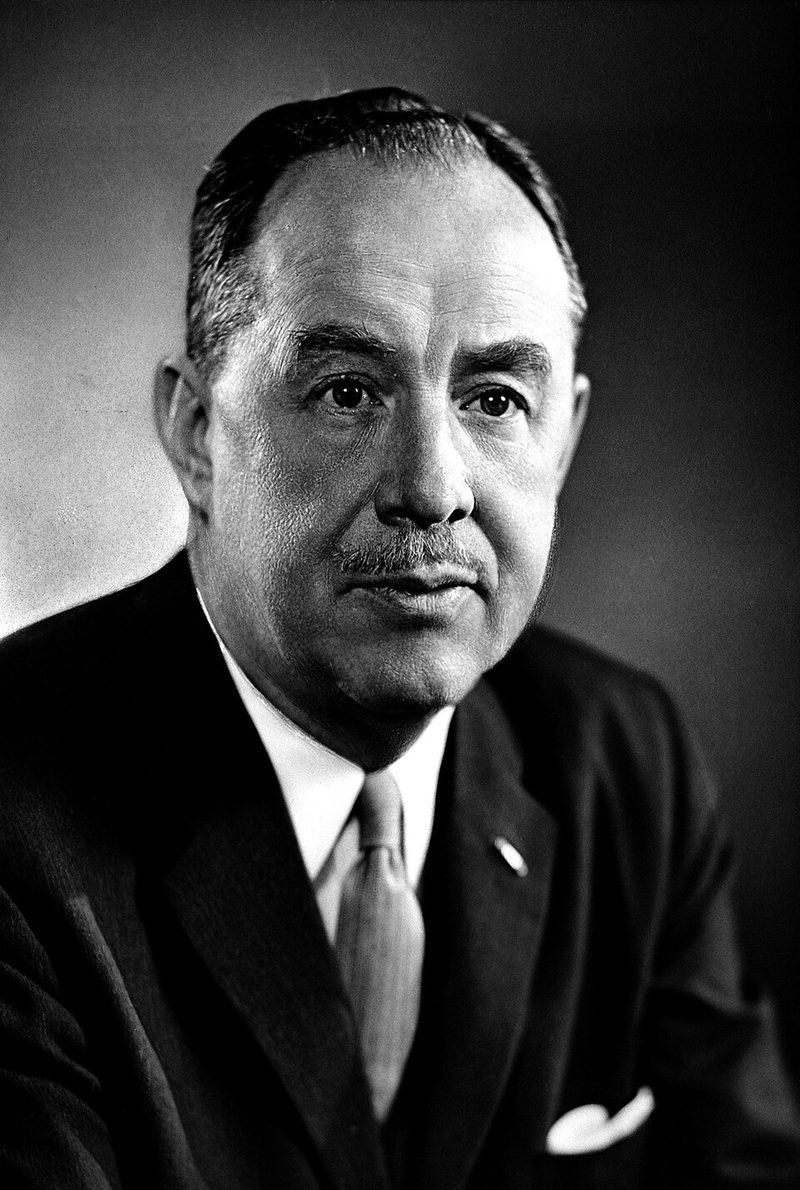 Same disease or problem1955Salk Inactivated Polio Vaccine Field Trial (Francis Report)When polio struck children given the new Salk vaccine in 1955, the CDC traced the cases to one laboratory's contaminated vaccine. The Salk story shows the field trial that proved the vaccine worked.Read this moment
-
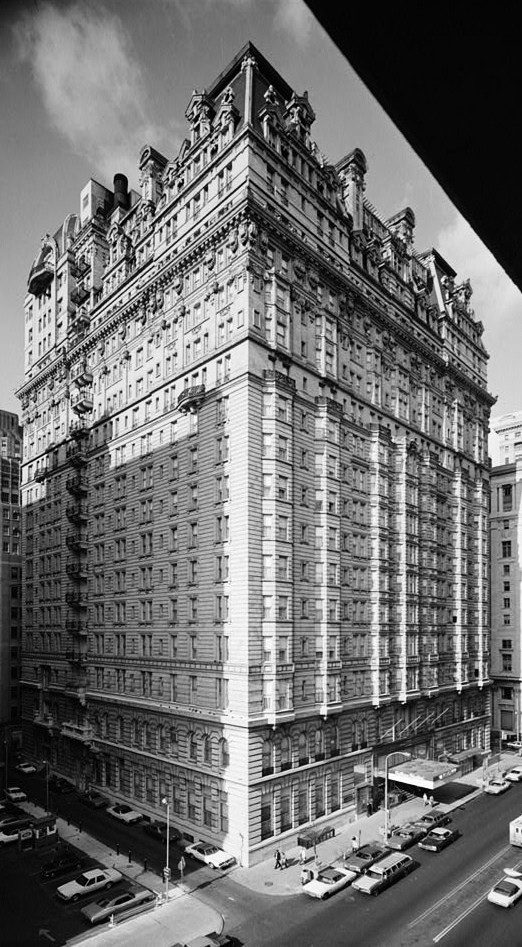 Led to1976Legionnaires' disease in PhiladelphiaThe CDC grew into the national center for outbreak investigation, and in 1976 its scientists traced a deadly pneumonia to a new bacterium. The Legionnaires story shows 29 deaths after an American Legion convention.Read this moment
-
 Same disease or problem1955The Global Malaria Eradication ProgrammeThe CDC was built from a wartime malaria control unit, and in 1955 WHO set out to end malaria worldwide. That story shows DDT spraying and the resistance that ended the campaign.Read this moment