Public Health
1798
The Act for the Relief of Sick and Disabled Seamen
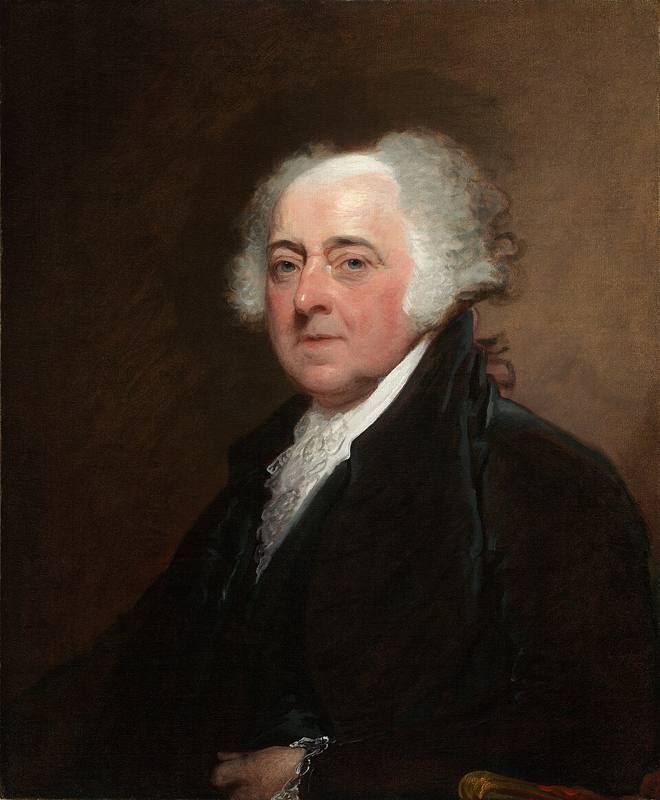
Signed by President John Adams on 16 July 1798, the act took twenty cents a month from merchant seamen's wages to pay for their care when sick or disabled and to build marine hospitals. Its Marine Hospital Service became the US Public Health Service.
Key people
- John Adams
- President who signed the act on 16 July 1798
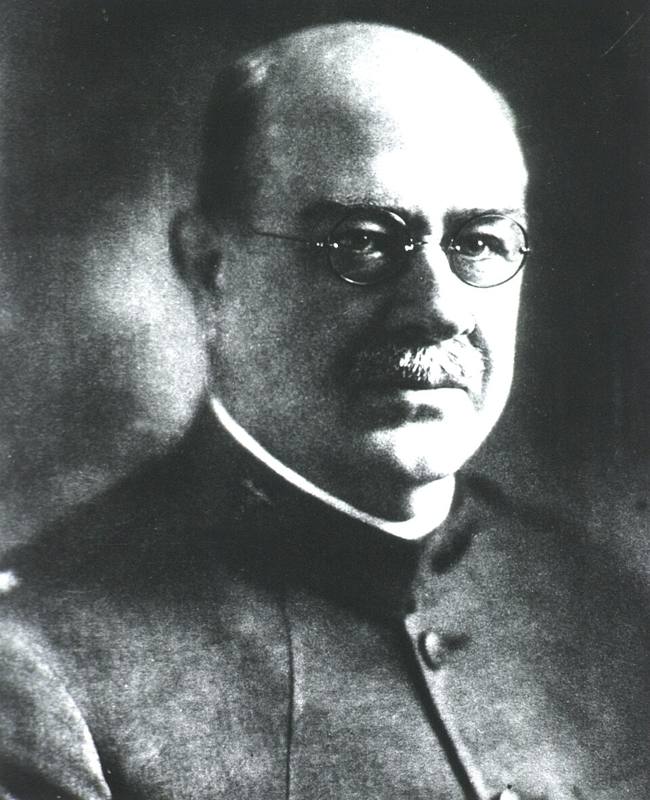
- John Maynard Woodworth
- First Supervising Surgeon of the Marine Hospital Service, from 1871
Source
From 1 September 1798 the master or owner of every American vessel arriving from a foreign port had to give the customs collector a true account of the seamen employed since the ship last entered a US port, and pay twenty cents a month for each of them, a sum he could keep back from their wages. Coasting vessels paid the same when their licenses were renewed. A master who gave a false account forfeited one hundred dollars.
Collectors made quarterly returns of the sums to the Secretary of the Treasury. The President was to use it for the temporary relief and maintenance of sick or disabled seamen in hospitals or other institutions already open in the ports, or in some other way where there were none, and money collected in a district had to be spent there. Any surplus, with private donations, was to be invested in United States stock until it was large enough to buy ground and build marine hospitals, and the President could appoint directors of the marine hospital in such ports as he thought proper.
The National Library of Medicine explains the law as an expression of the new nation's belief that a healthy merchant marine was needed for prosperity and defense. In Boston, Castle Island in the harbor was the temporary site, and Thomas Welsh, a veteran of the battles of Lexington and Bunker Hill, took charge in 1799; the hospital moved to Charlestown in 1804. The first marine hospitals stood in East Coast ports, and as trade spread along the inland waterways and the Great Lakes, new ones followed.
Until the 1870s caring for sick seamen remained the service's main work. An act of 1870 centralized it under a Supervising Surgeon, the post now called Surgeon General, and the first holder, John Maynard Woodworth, organized its physicians as a mobile, uniformed corps on a military model. It was renamed the Public Health and Marine Hospital Service in 1902 and the Public Health Service in 1912.
Keep exploring
 Read next · led to
The Hygienic Laboratory, forerunner of the NIH (1887)
The act's Marine Hospital Service let Joseph Kinyoun open a one room bacteriology laboratory in 1887. That story shows how the small laboratory grew into today's National Institutes of Health.
Read this moment
Read next · led to
The Hygienic Laboratory, forerunner of the NIH (1887)
The act's Marine Hospital Service let Joseph Kinyoun open a one room bacteriology laboratory in 1887. That story shows how the small laboratory grew into today's National Institutes of Health.
Read this moment
 Today on The Clinical Times
Love to Dream recalls portable baby sound machine over fire and burn risk
Love to Dream has recalled its portable Sleep Machine because its lithium-ion battery can overheat while charging with an incompatible charger, creating a risk of fire and burns.
Read today’s top stories
Today on The Clinical Times
Love to Dream recalls portable baby sound machine over fire and burn risk
Love to Dream has recalled its portable Sleep Machine because its lithium-ion battery can overheat while charging with an incompatible charger, creating a risk of fire and burns.
Read today’s top stories
All 526 moments in the history of medicine. This one is in chapter 3, Anatomy and observation
Connected moments
How this moment links to others in the history of medicine, and what you will find in each.
-
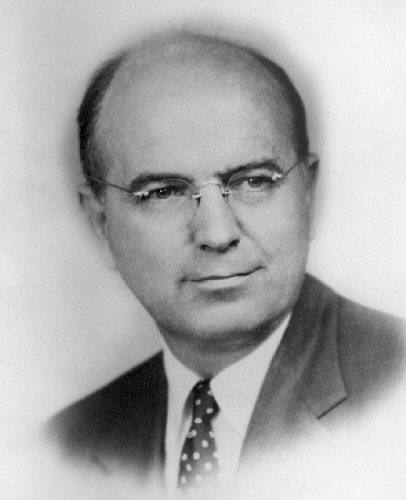 Led to1946Founding of the Communicable Disease CenterThe Marine Hospital Service became the Public Health Service, which opened the Communicable Disease Center in 1946. Its story shows a wartime malaria program turned into today's Centers for Disease Control and Prevention.Read this moment
-
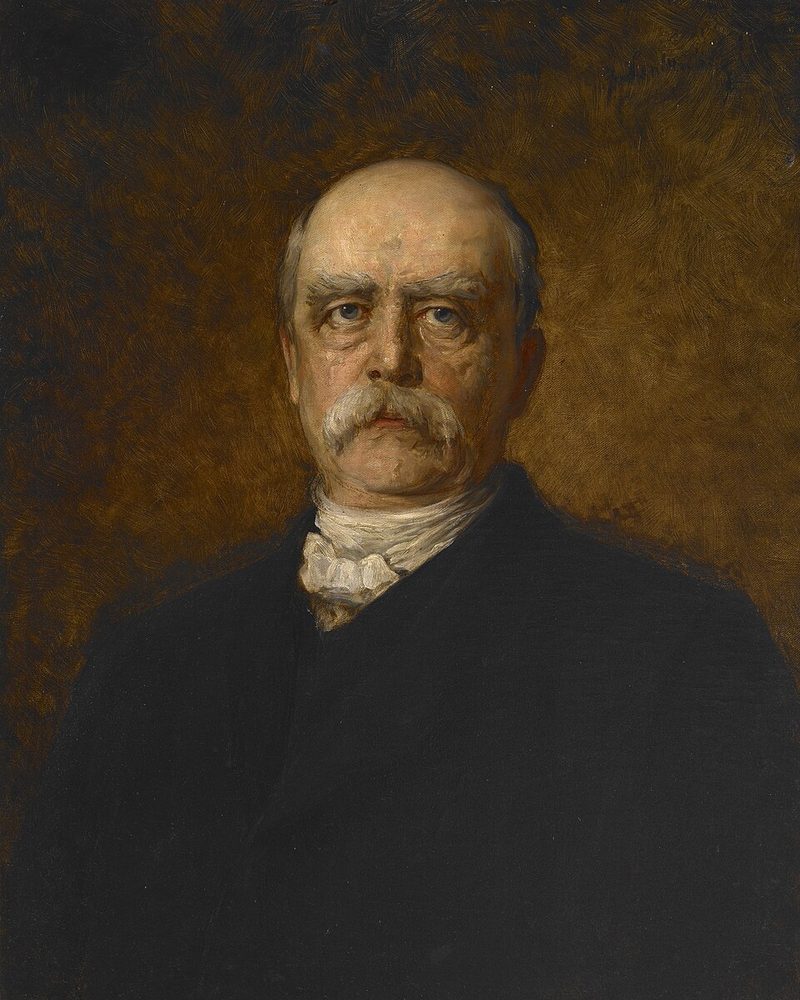 Same disease or problem1883Germany's Health Insurance Law of 1883Both paid for workers' care from their wages, twenty cents a month from American seamen and contributions from German industrial workers. The German story shows compulsory sickness insurance that spread to most of the population.Read this moment