Patients & Rights
1883
Germany's Health Insurance Law of 1883
Germany made sickness insurance compulsory for industrial workers in 1883, with workers paying two thirds of contributions and employers one third. The funds paid for doctors, medicines and sick pay, and the system spread to most of the population over the following century.
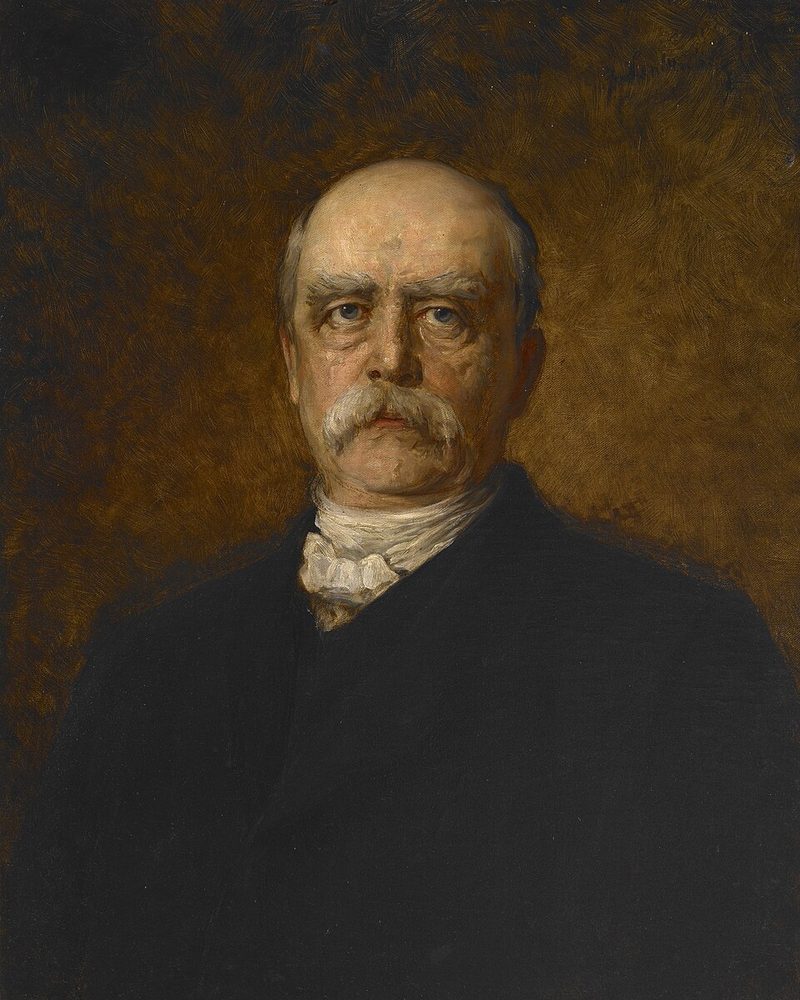
Key people
- Otto von Bismarck
- Chancellor of the German Empire under whom the law was enacted
Source
Otto von Bismarck, chancellor of the German Empire, believed workers would feel bound to the state if it guaranteed them a measure of security. Alongside harsher repression, social measures were meant to take the ground from under the labor movement and bring workers into the monarchy without political concessions. Sickness insurance came first. The law was enacted on 15 June 1883.
It covered industrial workers employed for more than a week who earned no more than 2,000 marks a year, together with employees in crafts and trade. Workers paid two thirds of the contributions and employers one third. When a member fell ill, the fund paid for the doctor and the medicines and, from the third day of illness, paid sick pay of half the average wage for up to 13 weeks.
Bismarck built on what already existed, folding workers' mutual-aid societies and company schemes into a patchwork of sickness funds. In 1885 about 10 percent of the population was insured, spread across 18,776 funds. Employers and workers sat on each fund's administrative board in proportion to their contributions, and the board set the contribution rate and any optional benefits. The law said nothing about how funds should deal with physicians or which practitioners counted as qualified, leaving both to the funds.
Accident insurance followed in 1884 and old-age and disability insurance in 1889. Coverage reached white-collar workers in 1901, unemployment insurance came in 1927, and by 1960 83 percent of West Germans were insured through 2,028 funds. The WHO's European Observatory describes Germany as widely regarded as the first country with a national system of social health insurance.
Germany's health ministry now puts statutory coverage at about 88 percent of the population, spread across many independent sickness funds that members can choose between.
Keep exploring
 Read next · same disease or problem
Launch of the National Health Service (1948)
Germany insured industrial workers through contribution funds, and Britain's NHS offered care free at the point of use to everyone. The NHS story shows thousands of hospitals taken over in 1948.
Read this moment
Read next · same disease or problem
Launch of the National Health Service (1948)
Germany insured industrial workers through contribution funds, and Britain's NHS offered care free at the point of use to everyone. The NHS story shows thousands of hospitals taken over in 1948.
Read this moment
 Today on The Clinical Times
Love to Dream recalls portable baby sound machine over fire and burn risk
Love to Dream has recalled its portable Sleep Machine because its lithium-ion battery can overheat while charging with an incompatible charger, creating a risk of fire and burns.
Read today’s top stories
Today on The Clinical Times
Love to Dream recalls portable baby sound machine over fire and burn risk
Love to Dream has recalled its portable Sleep Machine because its lithium-ion battery can overheat while charging with an incompatible charger, creating a risk of fire and burns.
Read today’s top stories
All 526 moments in the history of medicine. This one is in chapter 4, Germs, numbers and clean water
Connected moments
How this moment links to others in the history of medicine, and what you will find in each.
-
 Same disease or problem1965Medicare and Medicaid ActGermany built health insurance for workers in 1883, and the United States created insurance for older and poorer people in 1965. That story shows nearly 20 million people enrolling in Medicare in three years.Read this moment
- Same disease or problem1929The Baylor Plan for prepaid hospital careBoth paid for care through regular contributions, Germany's compulsory sickness funds and the voluntary Baylor plan. Its story shows Dallas teachers prepaying fifty cents a month, the start of Blue Cross.Read this moment