Patients & Rights
1929
The Baylor Plan for prepaid hospital care
In 1929 Justin Ford Kimball of Baylor University let Dallas schoolteachers prepay fifty cents a month for up to 21 days of care at Baylor Hospital. Community-wide plans followed, and from 1933 they became known as Blue Cross.
Key people
- Justin Ford Kimball
- Baylor vice president who designed the 1929 prepaid hospital plan
- E. A. van Steenwyk
- Minnesota plan head whose 1933 poster introduced the blue cross
Source
Justin Ford Kimball (1872 to 1956) had been superintendent of the Dallas public schools from 1914 to 1924. In 1929, the year of the stock market crash that began the Great Depression, he became vice president of Baylor University in charge of its College of Medicine, School of Nursing, College of Dentistry and hospital, all in Dallas. He found that Baylor Hospital was carrying a large number of unpaid bills, many of them owed by Dallas schoolteachers.
Adapting the prepayment schemes of the lumber and railroad industries, Kimball offered the teachers a plan: fifty cents a month, or six dollars a year, would pay for up to 21 days of semiprivate care at Baylor Hospital. By December 1929, 75 percent of Dallas teachers had enrolled, and within two years employees of the Dallas Morning News and the radio station WFAA had joined as well. The American Hospital Association invited Kimball to present a paper on how the plan worked and later elected him an honorary life member.
Planners soon moved to community-wide plans, in which groups of hospitals honored the same membership and subscribers could choose where to go. In 1933 E. A. van Steenwyk, head of a hospitalization plan in Minnesota, designed a poster with a blue Geneva cross, and the plans came to be known as Blue Cross. The American Hospital Association set national standards, and its crest sat at the center of the cross until 1972. A California plan of 1939 paid physicians instead of hospitals; its blue shield bearing a caduceus became the mark of Blue Shield.
In Texas, a group chartered in 1939 as Group Hospital Service was approved by the American Hospital Association in 1942 as the Blue Cross plan of Texas, and in 1944 the Baylor Plan was dissolved and its members moved to it. When Medicare began in 1966, Blue Cross and Blue Shield of Texas became an intermediary for the program.
Keep exploring
 Read next · same disease or problem
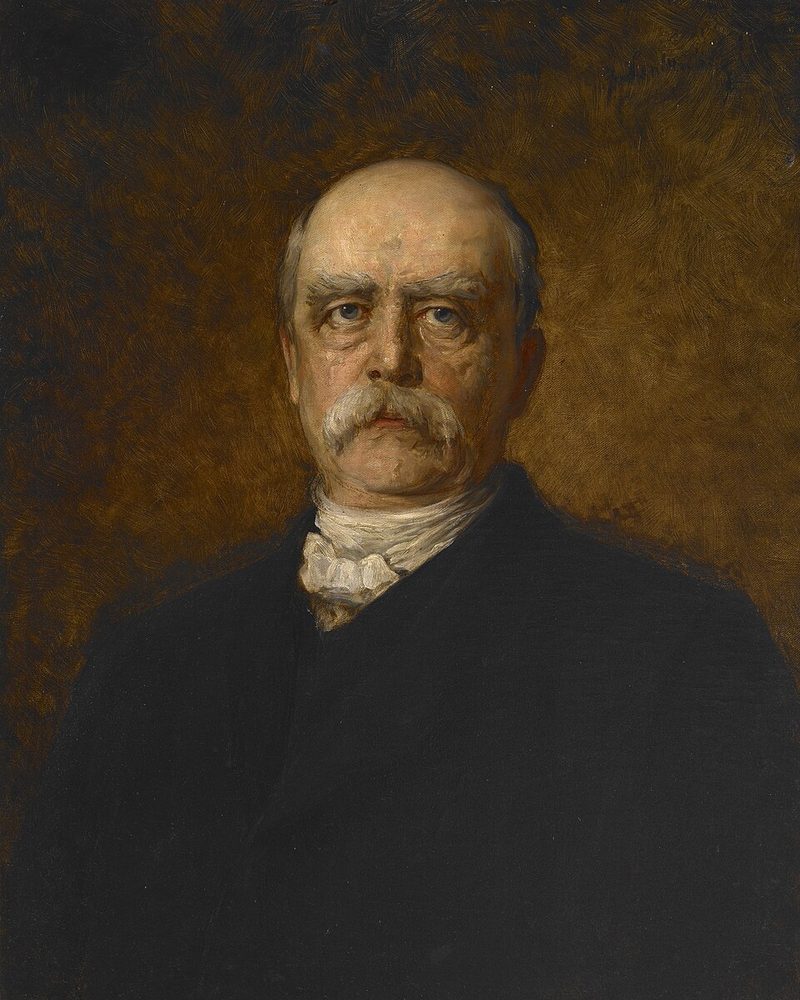
Germany's Health Insurance Law of 1883
Both paid for care through regular contributions, Baylor's voluntary plan for teachers and Germany's compulsory sickness funds for workers. The German story shows the first national system of social health insurance.
Read this moment
Read next · same disease or problem
Germany's Health Insurance Law of 1883
Both paid for care through regular contributions, Baylor's voluntary plan for teachers and Germany's compulsory sickness funds for workers. The German story shows the first national system of social health insurance.
Read this moment
 Today on The Clinical Times
Love to Dream recalls portable baby sound machine over fire and burn risk
Love to Dream has recalled its portable Sleep Machine because its lithium-ion battery can overheat while charging with an incompatible charger, creating a risk of fire and burns.
Read today’s top stories
Today on The Clinical Times
Love to Dream recalls portable baby sound machine over fire and burn risk
Love to Dream has recalled its portable Sleep Machine because its lithium-ion battery can overheat while charging with an incompatible charger, creating a risk of fire and burns.
Read today’s top stories
All 526 moments in the history of medicine. This one is in chapter 5, Cures and codes
Connected moments
How this moment links to others in the history of medicine, and what you will find in each.
-
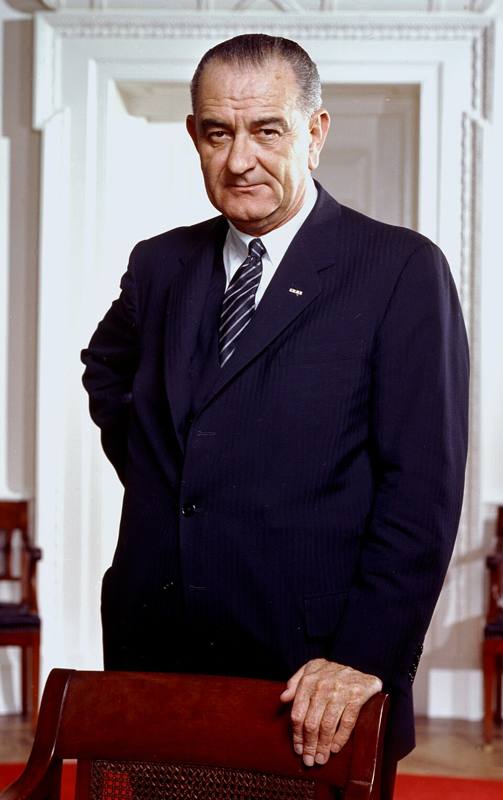 Same disease or problem1965Medicare and Medicaid ActBaylor's plan grew into Blue Cross, which became an intermediary for Medicare when it began. The Medicare story shows public insurance for older and poorer Americans.Read this moment
-
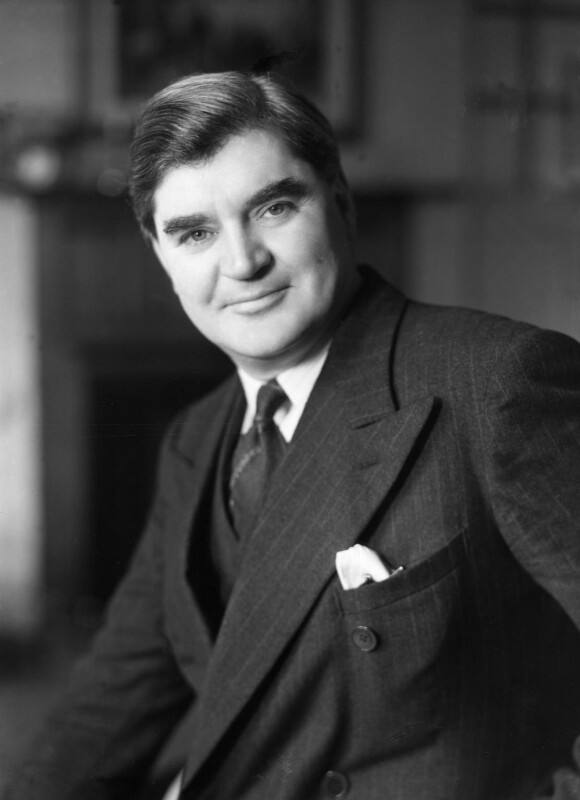 Same disease or problem1948Launch of the National Health ServiceBaylor's teachers prepaid for hospital care, while Britain's NHS offered care free at the point of use to everyone. The NHS story shows thousands of hospitals taken over in 1948.Read this moment