Patients & Rights
1948
Launch of the National Health Service
Britain's National Health Service began on 5 July 1948, taking over thousands of hospitals and making Britain the first Western country to offer medical care free at the point of use to its whole population.
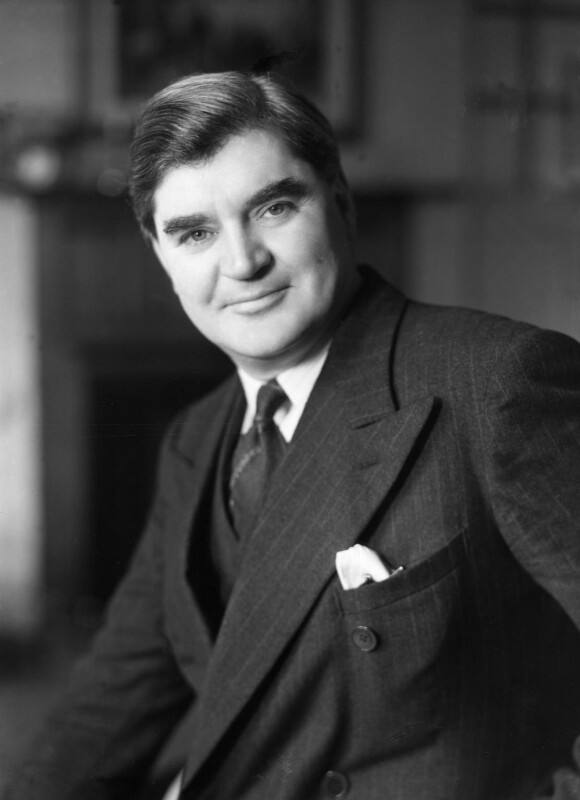
Key people
- Aneurin Bevan
- Minister who launched the NHS on 5 July 1948
- Sylvia Diggory
- First NHS patient, aged 13, at Park Hospital
Source
On 5 July 1948 Aneurin Bevan took the keys of Park Hospital, near Manchester, from Lancashire County Council. The hospital had been built by the Barton-upon-Irwell Union, a body set up in 1849 to provide for the area's poor, and first took patients in December 1928; during the war it served the British forces and then the US Army. That day it became the first hospital of the National Health Service. Its first NHS patient was Sylvia Diggory, aged 13.
The plan traced back to the Beveridge Report, published on 2 December 1942, which named five giants to be fought, Want, Disease, Ignorance, Squalor and Idleness, and sold widely at home and abroad for two shillings. The National Health Service Act received Royal Assent on 6 November 1946.
Doctors nearly stopped it. Six months before the appointed day, the historian Pauline Gregg later wrote, the whole structure looked likely to collapse for lack of support from the medical profession. The profession's bodies resisted until a near-last-minute agreement, reached after months in which Bevan gave assurances on clinical freedom. By July 1948 a majority of general practitioners had applied to join.
In England and Wales alone the new service took over 1,143 voluntary hospitals with 90,000 beds and 1,545 municipal hospitals with 390,000 beds. It covered hospital care, ambulances, general practitioners, maternity care, prescriptions, optical care and dentistry. Britain was the first Western country to offer medical care free at the point of use to its whole population. Charges for dental and optical care came in 1951 under the Attlee government, and prescription charges followed under Churchill's government the next year.
Keep exploring
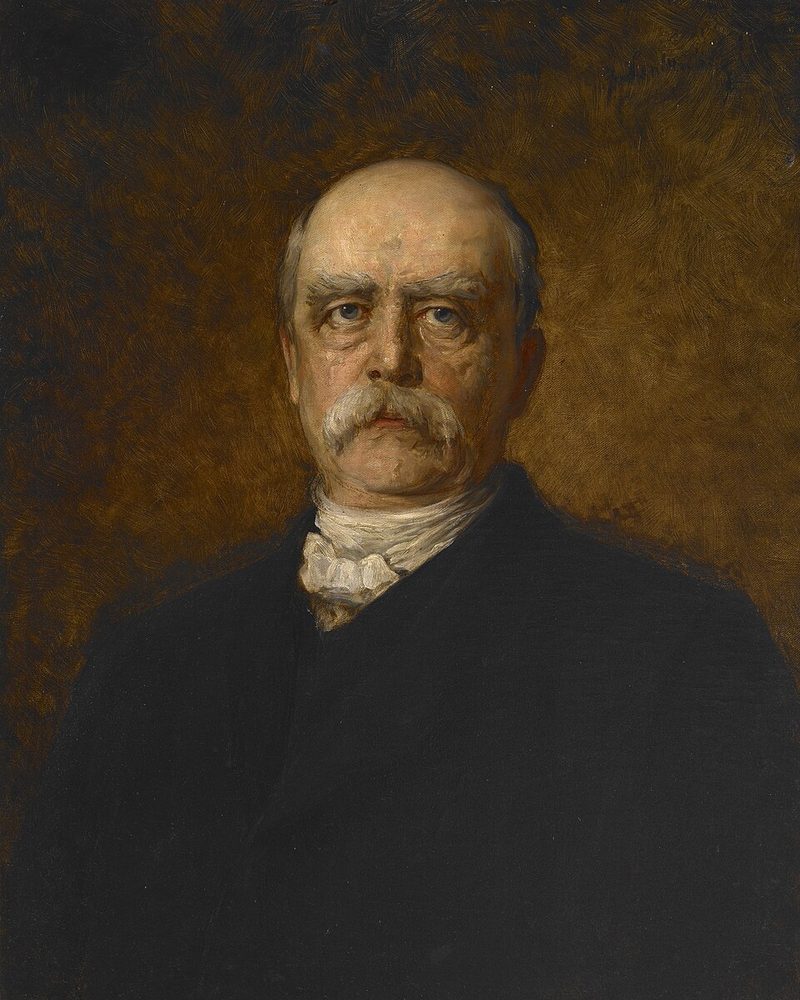 Read next · same disease or problem
Germany's Health Insurance Law of 1883
Germany built the first national social health insurance, and Britain's NHS offered care free at the point of use to all. The German story shows sickness funds paid for by workers and employers.
Read this moment
Read next · same disease or problem
Germany's Health Insurance Law of 1883
Germany built the first national social health insurance, and Britain's NHS offered care free at the point of use to all. The German story shows sickness funds paid for by workers and employers.
Read this moment
 Today on The Clinical Times
Love to Dream recalls portable baby sound machine over fire and burn risk
Love to Dream has recalled its portable Sleep Machine because its lithium-ion battery can overheat while charging with an incompatible charger, creating a risk of fire and burns.
Read today’s top stories
Today on The Clinical Times
Love to Dream recalls portable baby sound machine over fire and burn risk
Love to Dream has recalled its portable Sleep Machine because its lithium-ion battery can overheat while charging with an incompatible charger, creating a risk of fire and burns.
Read today’s top stories
All 526 moments in the history of medicine. This one is in chapter 5, Cures and codes
Connected moments
How this moment links to others in the history of medicine, and what you will find in each.
-
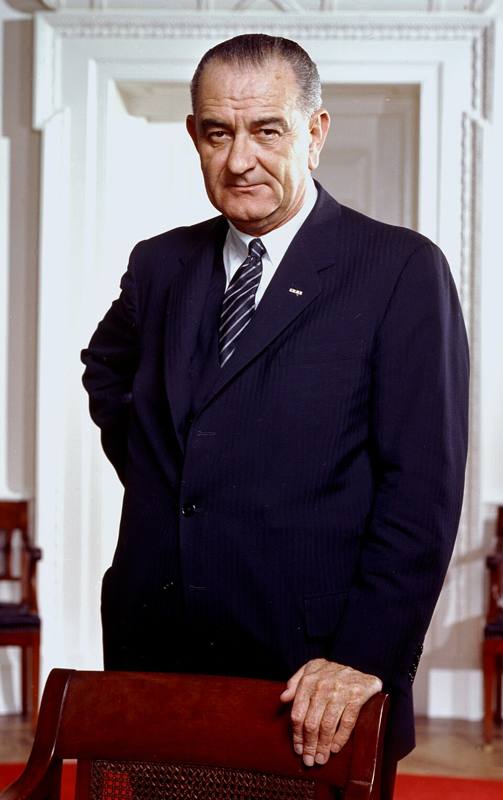 Same disease or problem1965Medicare and Medicaid ActBritain covered everyone in 1948, and the United States created public insurance for older and poorer people in 1965. The Medicare story shows nearly 20 million people enrolling in three years.Read this moment
-
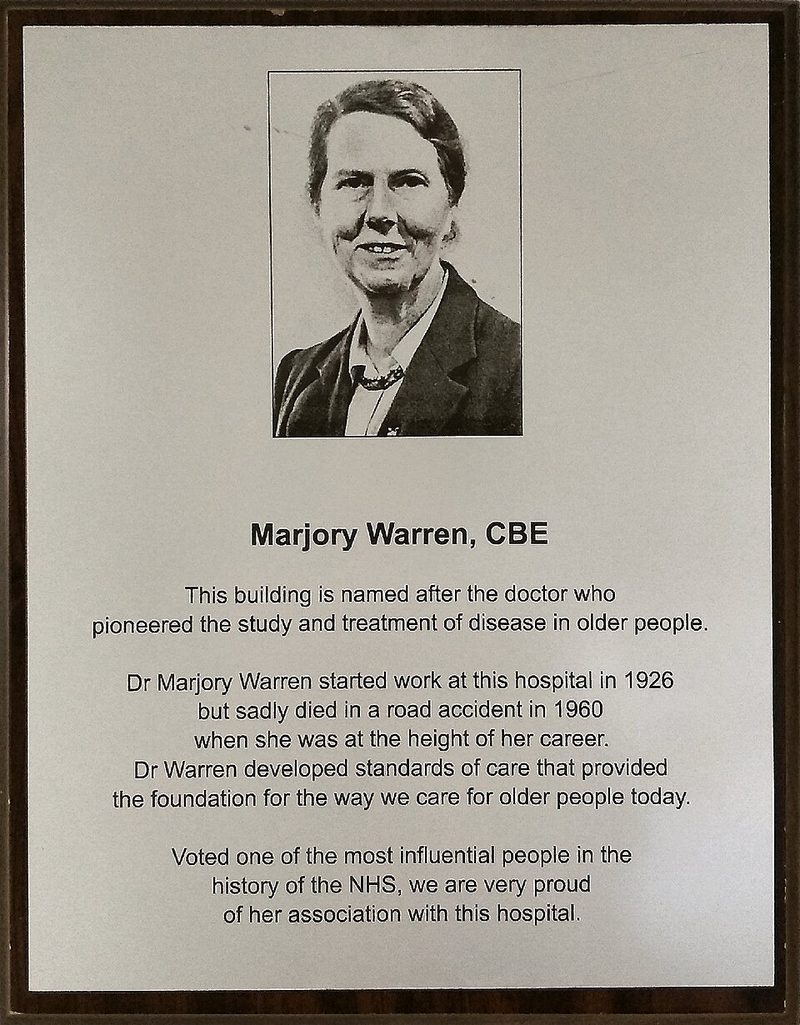 Same disease or problem1935Marjory Warren and geriatric medicineWarren's work on the forgotten elderly helped make geriatrics a specialty within the NHS. Her story shows workhouse patients assessed, rehabilitated and sent home.Read this moment