Neurology & Psychiatry
1796
The York Retreat
In 1796 the Society of Friends opened the Retreat near York for Quakers who had lost their reason. Founded by William Tuke, it allowed neither chains nor corporal punishment, and its methods became known as moral treatment.
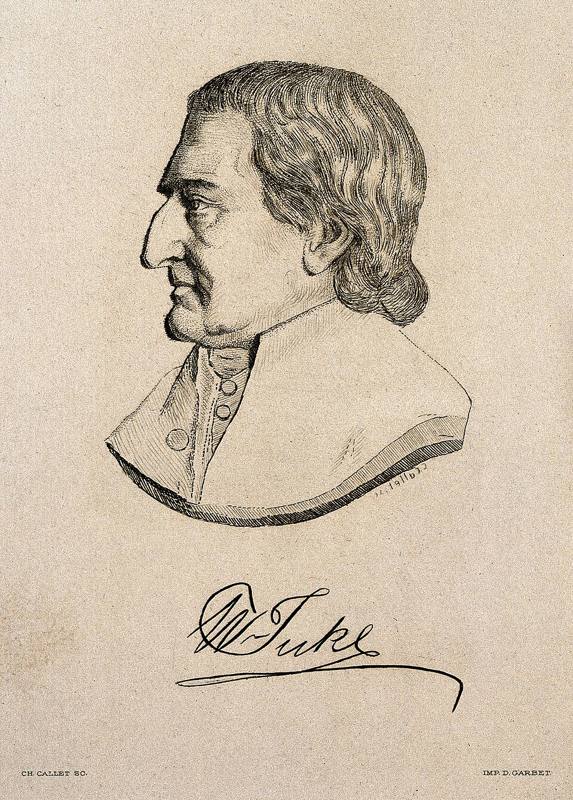
Key people
- William Tuke
- York Quaker who proposed and founded the Retreat
- Samuel Tuke
- His grandson; wrote the Description of the Retreat (1813)
Source
In 1790 William Tuke, a York Quaker, learned that Hannah Mills had died in the York Asylum. Two years later, after the Quarterly Meeting of Friends at York, he asked those present to hear a proposal: an institution run by Friends for members of the Society who had lost their reason, whatever their means.
Friends resolved to go ahead in 1793. They bought land about half a mile from the city walls and began building in 1794, planning room for thirty patients. The Retreat opened in 1796. An early report counted nine men and fourteen women in the house. Eight paid the lowest rate of four shillings a week, and the rest paid from eight shillings to a guinea.
William's grandson Samuel Tuke described the regime in his Description of the Retreat of 1813. Neither chains nor corporal punishment were tolerated on any pretext, and chains had never been permitted there. Fear still had a place, but only as much as the ordinary rules of the household raised. Violent patients might be confined in a strait-waistcoat, and patients were offered work, amusements and books suited to them. Dr Delarive of Geneva, who visited in 1798 and described the house in a letter to the Bibliothèque Britannique, found that it looked less like a prison than a large rural farm, with a garden and no bars or grating on the windows.
In 1820, aged 88 and almost blind, William Tuke handed the management to Samuel. The Bethlem Museum of the Mind dates the wide adoption of moral treatment in England to the late 1830s, beginning at Hanwell Asylum. The Retreat's incoming letters from 1796 to 1905, about 100,000 items in 169 boxes, are part of its archive at the Borthwick Institute in York.
Keep exploring
 Read next · same disease or problem
Pinel's reforms at Bicêtre (1793)
The Tukes in York and Pinel in Paris cut back chains and force in the same decade, and both approaches became known as moral treatment. Pinel's story shows how the superintendent Pussin, not only Pinel, took patients out of chains.
Read this moment
Read next · same disease or problem
Pinel's reforms at Bicêtre (1793)
The Tukes in York and Pinel in Paris cut back chains and force in the same decade, and both approaches became known as moral treatment. Pinel's story shows how the superintendent Pussin, not only Pinel, took patients out of chains.
Read this moment
 Today on The Clinical Times
Love to Dream recalls portable baby sound machine over fire and burn risk
Love to Dream has recalled its portable Sleep Machine because its lithium-ion battery can overheat while charging with an incompatible charger, creating a risk of fire and burns.
Read today’s top stories
Today on The Clinical Times
Love to Dream recalls portable baby sound machine over fire and burn risk
Love to Dream has recalled its portable Sleep Machine because its lithium-ion battery can overheat while charging with an incompatible charger, creating a risk of fire and burns.
Read today’s top stories
All 526 moments in the history of medicine. This one is in chapter 3, Anatomy and observation
Connected moments
How this moment links to others in the history of medicine, and what you will find in each.
-
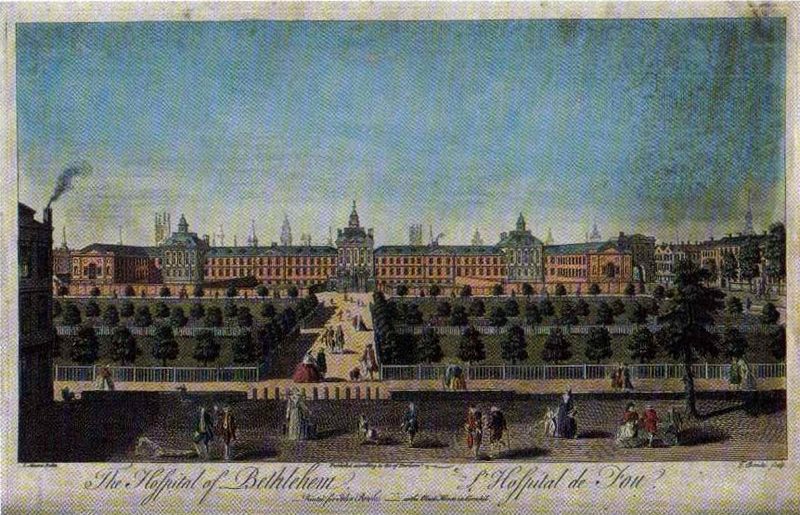 Same disease or problem1403Bethlem Hospital and the care of the insaneBethlem's museum dates the wide adoption of moral treatment in England to the late 1830s. Bethlem's own story shows the older kind of house for the insane, exposed in 1403 for neglect and mismanagement.Read this moment
-
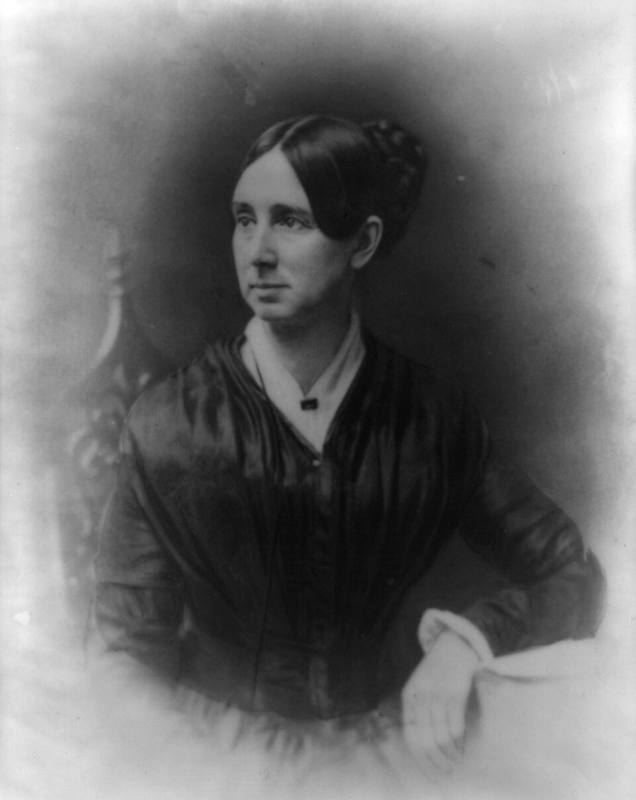 Same disease or problem1843Dorothea Dix's Memorial to the Massachusetts legislatureThe Retreat allowed no chains, while Dix later found the insane chained and caged in Massachusetts jails and almshouses. Her story shows how her town by town account moved a legislature to build a new asylum.Read this moment