Patients & Rights
1986
Emergency Medical Treatment and Labor Act (EMTALA)
A 1986 federal law required hospitals that take Medicare and offer emergency care to screen anyone who asks for it, including women in labor, and to stabilize or properly transfer them, whatever their ability to pay.
Key people
- R. L. Schiff
- Lead author of the 1986 Cook County Hospital transfer study
- D. A. Ansell
- Coauthor of the 1986 transfer study and a 1987 dumping analysis
Source
Doctors at Cook County Hospital in Chicago followed 467 medical and surgical patients who had been sent to them from the emergency departments of other hospitals and then admitted. Eighty-nine percent were Black or Hispanic and 81 percent were unemployed. The sending hospitals gave lack of adequate insurance as the reason in 87 percent of cases, and only 6 percent of the patients had given written consent. Twenty-four percent were unstable when they left. Among medical patients, 9.4 percent of those transferred died, against 3.8 percent of those who were not. R. L. Schiff, D. A. Ansell and colleagues published the study in the New England Journal of Medicine in February 1986.
The practice, known as patient dumping, was not confined to Chicago. Ansell and Schiff reported in 1987 that such transfers in Dallas had risen from 70 a month in 1982 to more than 200 a month in 1983.
Congress acted through a budget bill, the Consolidated Omnibus Budget Reconciliation Act of 1985, enacted on 7 April 1986. Its emergency section added section 1867 to the Social Security Act. A hospital that takes Medicare and offers emergency services must give a medical screening examination to anyone who requests care for an emergency condition, including labor, regardless of ability to pay. It must then stabilize the patient, or arrange an appropriate transfer if it cannot or if the patient asks. The law covers any individual who comes to the emergency department, whether or not eligible for Medicare.
The first penalty was a fine of up to $25,000 per knowing violation, for the hospital and for the responsible physician. Amendments in 1987 and 1990 raised the ceiling to $50,000 and made negligent violations punishable, and a 1989 amendment struck the word 'active' before 'labor'. In 1999 the Supreme Court held, in Roberts v. Galen, that a claim that a hospital failed to stabilize a patient does not require proof of an improper motive.
Keep exploring
 Read next · built on
Medicare and Medicaid Act (1965)
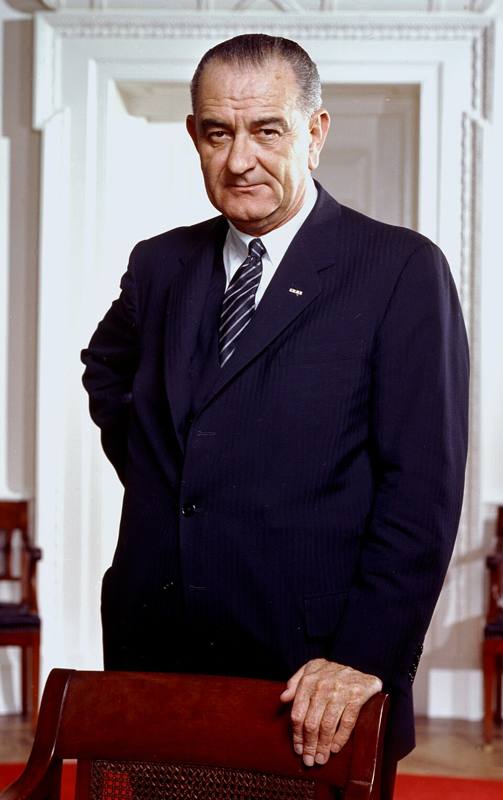
EMTALA's duty applies to hospitals that take Medicare, the program the 1965 law created. The Medicare entry shows how health insurance for older Americans passed after twenty years of argument.
Read this moment
Read next · built on
Medicare and Medicaid Act (1965)
EMTALA's duty applies to hospitals that take Medicare, the program the 1965 law created. The Medicare entry shows how health insurance for older Americans passed after twenty years of argument.
Read this moment
 Today on The Clinical Times
Love to Dream recalls portable baby sound machine over fire and burn risk
Love to Dream has recalled its portable Sleep Machine because its lithium-ion battery can overheat while charging with an incompatible charger, creating a risk of fire and burns.
Read today’s top stories
Today on The Clinical Times
Love to Dream recalls portable baby sound machine over fire and burn risk
Love to Dream has recalled its portable Sleep Machine because its lithium-ion battery can overheat while charging with an incompatible charger, creating a risk of fire and burns.
Read today’s top stories
All 526 moments in the history of medicine. This one is in chapter 6, Trials, scanners and rights
Connected moments
How this moment links to others in the history of medicine, and what you will find in each.
- Same disease or problem1966Medicare and hospital desegregationBoth used Medicare payments to stop hospitals from turning people away, by race in 1966 and by inability to pay in 1986. The desegregation entry shows over 1,000 hospitals integrating in under four months.Read this moment
-
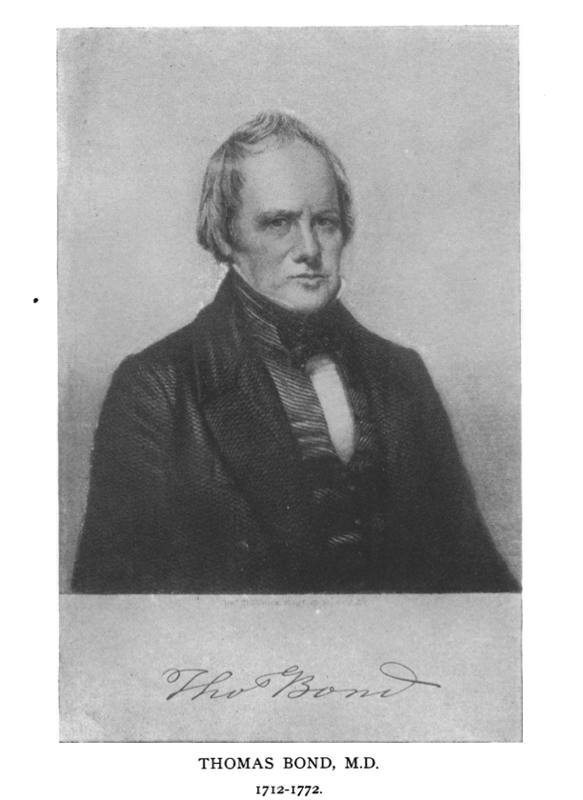 Same disease or problem1751Founding of Pennsylvania HospitalBoth answered whether a hospital must care for patients who cannot pay. Pennsylvania Hospital's entry shows Bond and Franklin founding it in 1751 to treat the sick poor free of charge.Read this moment