Patients & Rights
2010
Patient Protection and Affordable Care Act
The 2010 law banned preexisting-condition exclusions and lifetime benefit limits, kept young adults on parents' plans to age 26, and funded marketplace subsidies and a Medicaid expansion. By early 2017 there were 20.5 million fewer uninsured Americans than in 2010.
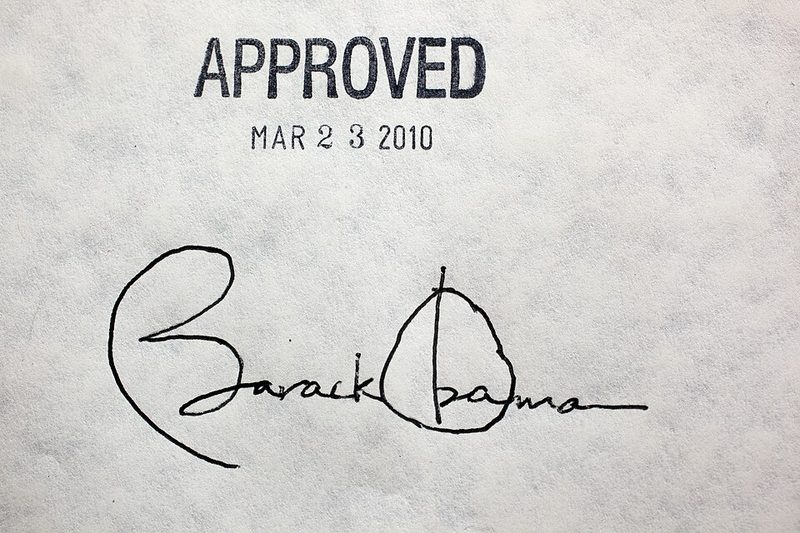
In 2010, 48.6 million people in the United States had no health insurance, 16.0 percent of the population, and among adults aged 18 to 64 the figure was 22.3 percent. Private insurers could refuse to cover a person's existing illnesses and could cap the total they would ever pay out. H.R. 3590 passed the Senate in amended form in December 2009, the House accepted the Senate version on 21 March 2010, and the bill became law on 23 March.
Some changes arrived within six months. Plans could no longer set lifetime dollar limits on benefits, children under 19 could not be denied coverage of preexisting conditions, and plans that covered dependents had to let young adults stay on a parent's plan until age 26. The larger changes began with plan years starting on 1 January 2014: the ban on preexisting-condition exclusions reached adults, most people had to carry coverage or pay a shared responsibility payment, refundable tax credits helped buyers of marketplace plans, and Medicaid was to cover adults with incomes up to 133 percent of the federal poverty level.
Twenty-six states, several individuals and the National Federation of Independent Business sued. On 28 June 2012 the Supreme Court upheld the coverage requirement, with Chief Justice Roberts writing that it could stand under Congress's power to tax. The Court also held that the federal government could not take away a state's existing Medicaid funds for refusing the expansion. That left each state a real choice about whether to expand, and the rest of the law stood.
Enrollment in the marketplaces opened in October 2013. HHS analysts estimated that by February 2016 the law had brought coverage to 20.0 million adults, including 2.3 million people aged 19 to 25 who stayed on a parent's plan before 2014, and that the uninsured rate among adults aged 18 to 64 had fallen from 20.3 to 11.5 percent since October 2013. In the first three months of 2017 the National Health Interview Survey counted 28.1 million uninsured people, 8.8 percent of the population and 20.5 million fewer than in 2010. That quarter, 9.4 million adults had private plans bought through the marketplaces.
Keep exploring
 Read next · built on
Medicare and Medicaid Act (1965)
The ACA expanded Medicaid, the program created alongside Medicare in 1965. The Medicare entry shows how health insurance for older and low income Americans finally passed.
Read this moment
Read next · built on
Medicare and Medicaid Act (1965)
The ACA expanded Medicaid, the program created alongside Medicare in 1965. The Medicare entry shows how health insurance for older and low income Americans finally passed.
Read this moment
 Today on The Clinical Times
Love to Dream recalls portable baby sound machine over fire and burn risk
Love to Dream has recalled its portable Sleep Machine because its lithium-ion battery can overheat while charging with an incompatible charger, creating a risk of fire and burns.
Read today’s top stories
Today on The Clinical Times
Love to Dream recalls portable baby sound machine over fire and burn risk
Love to Dream has recalled its portable Sleep Machine because its lithium-ion battery can overheat while charging with an incompatible charger, creating a risk of fire and burns.
Read today’s top stories
All 526 moments in the history of medicine. This one is in chapter 7, Genes and pandemics
Connected moments
How this moment links to others in the history of medicine, and what you will find in each.
-
 Same disease or problem1948Launch of the National Health ServiceBoth tried to get everyone covered for medical care, Britain through a free national service and the United States through subsidized insurance. The NHS entry shows care made free at the point of use in 1948.Read this moment
-
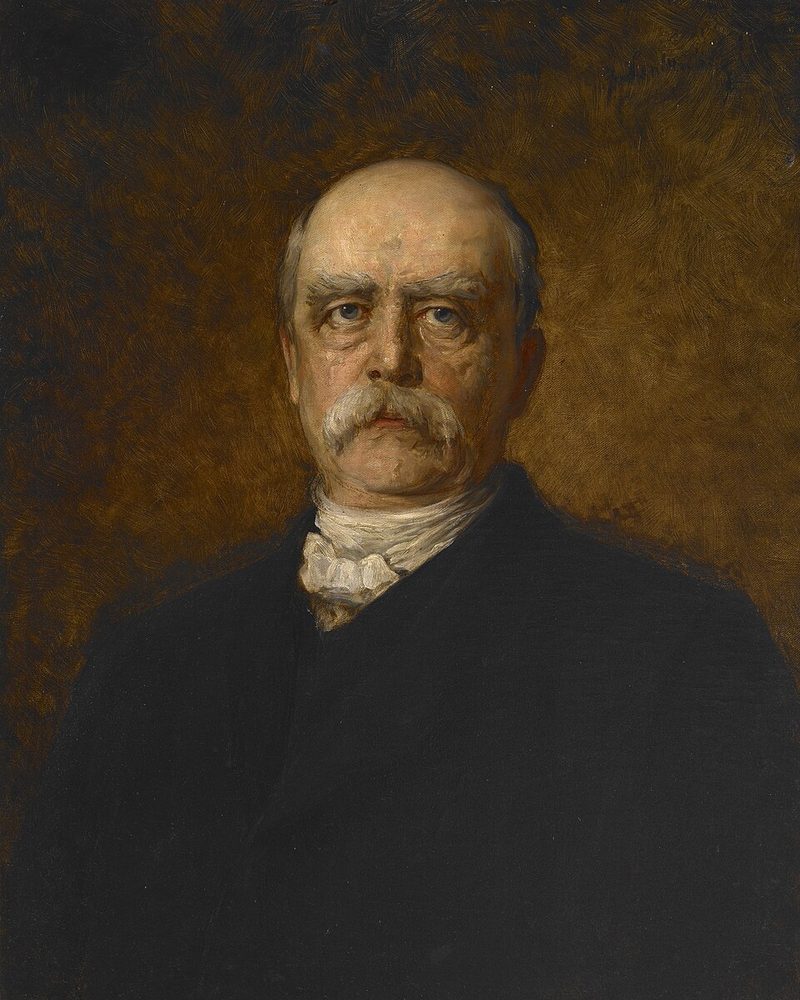 Same disease or problem1883Germany's Health Insurance Law of 1883Both required people to carry health coverage, German industrial workers in 1883 and most Americans from 2014. Germany's entry shows sickness insurance paid by workers and employers together.Read this moment
- Same disease or problem1929The Baylor Plan for prepaid hospital careAmerican private health insurance began with Dallas teachers prepaying for hospital care, and the ACA rewrote its rules. The Baylor entry shows the plan that grew into Blue Cross.Read this moment