Research Methods & Ethics
2010
The Guatemala STD experiments exposed
Records found by the historian Susan Reverby showed that US Public Health Service researchers had deliberately exposed 1,308 Guatemalan prisoners, soldiers and psychiatric patients to syphilis, gonorrhea or chancroid in 1947 and 1948. The US apologized to Guatemala in October 2010.
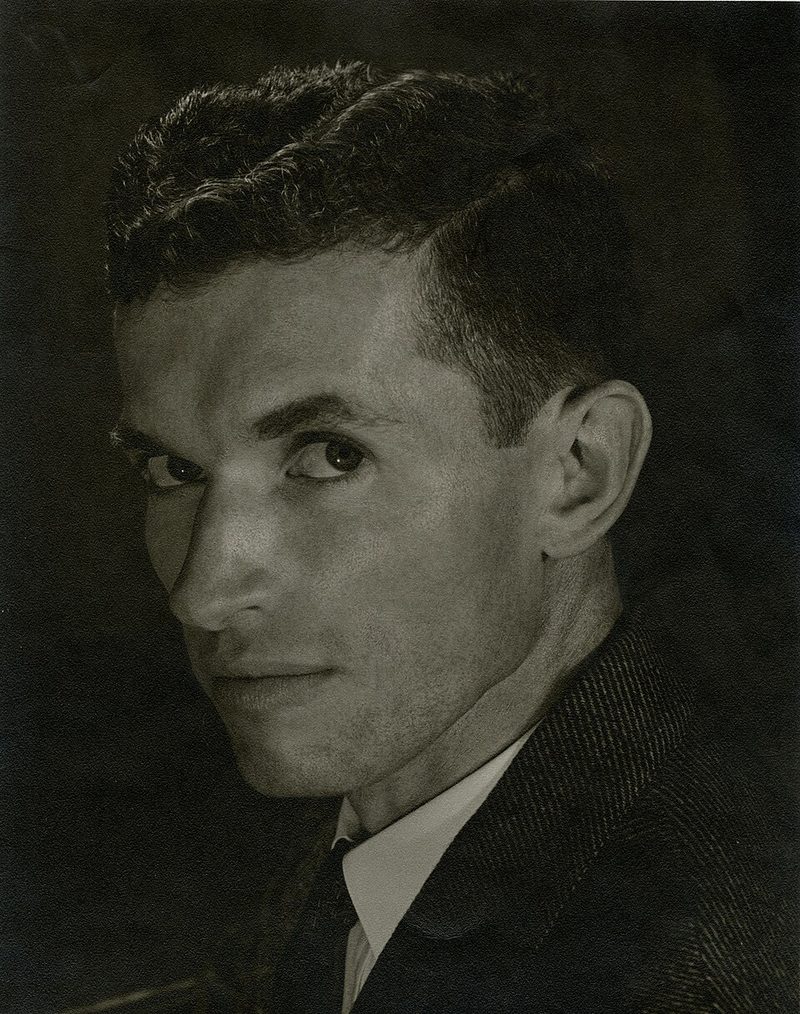
Key people
- Susan M. Reverby
- Wellesley historian who found the Cutler records and reported them
- John C. Cutler
- PHS physician who directed the Guatemala experiments
- Thomas Parran
- US Surgeon General who approved the Guatemala work
- Amy Gutmann
- Chair of the Presidential Commission that investigated the experiments
Source
Susan Reverby, a historian at Wellesley College, went to the University of Pittsburgh archives expecting to find material on the Tuskegee syphilis study among the papers of John C. Cutler, a Public Health Service physician who had worked on Tuskegee in the 1950s and later taught at Pittsburgh. There was nothing on Tuskegee. There were files from Guatemala. Reverby presented her findings in May 2010 and then told David Sencer, a former director of the CDC, who alerted the agency.
The work had run from about July 1946 to December 1948, sponsored by the Pan American Sanitary Bureau and the PHS Venereal Disease Research Laboratory under a grant that Surgeon General Thomas Parran approved. Cutler, then 31, led it. The aim was to test prophylaxis against syphilis and gonorrhea, work that PHS researchers, Cutler among them, had dropped at a prison in Terre Haute in 1944, partly because they could not reliably infect the men with gonorrhea. In Guatemala the first experiment, in February 1947, exposed soldiers to sex workers known to be infected, most of whom the researchers had themselves infected; prisoners followed in May. When too few men caught gonorrhea this way, the team turned to direct inoculation, running 32 artificial inoculation experiments and nine intercourse experiments between August 1947 and July 1948.
In all, 1,308 people from three groups were intentionally exposed: prisoners, soldiers and patients at the national psychiatric hospital. Treatment was documented for 678. Diagnostic testing reached 5,128 people, among them children from state schools and an orphanage and patients with leprosy; it included blood draws and lumbar and cisternal punctures and continued through 1953. Cutler's own records note 83 deaths during the experiments, though their link to the procedures is unclear.
Cutler wrote in 1955 that as few people as possible were meant to know the procedure. In February 1947 a PHS colleague reported to him that Surgeon General Thomas Parran had remarked, "You know, we couldn't do such an experiment in this country."
On 1 October 2010 President Barack Obama telephoned President Álvaro Colom of Guatemala to apologize. He then charged his bioethics commission, chaired by Amy Gutmann, to investigate. Its staff reviewed more than 125,000 pages of original documents, and its September 2011 report, titled "Ethically Impossible", quoted an April 1947 New York Times science note that called deliberately infecting people with syphilis ethically impossible, just as Cutler's team was preparing to do it. The commission judged that the researchers had violated the medical ethics they themselves recognized at the time.
Keep exploring
 Read next · same disease or problem
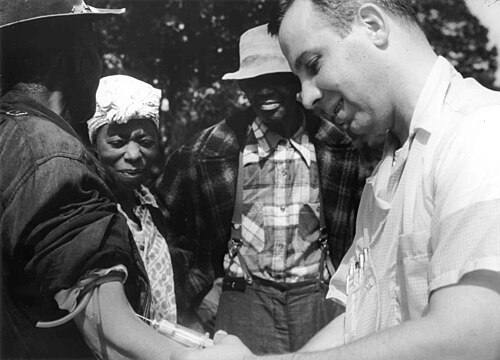
Tuskegee Syphilis Study Exposed (1972)
The Guatemala files turned up while a historian searched for Tuskegee papers, and John Cutler worked on both. The Tuskegee entry shows 40 years of withheld syphilis treatment and the reforms that followed.
Read this moment
Read next · same disease or problem
Tuskegee Syphilis Study Exposed (1972)
The Guatemala files turned up while a historian searched for Tuskegee papers, and John Cutler worked on both. The Tuskegee entry shows 40 years of withheld syphilis treatment and the reforms that followed.
Read this moment
 Today on The Clinical Times
Love to Dream recalls portable baby sound machine over fire and burn risk
Love to Dream has recalled its portable Sleep Machine because its lithium-ion battery can overheat while charging with an incompatible charger, creating a risk of fire and burns.
Read today’s top stories
Today on The Clinical Times
Love to Dream recalls portable baby sound machine over fire and burn risk
Love to Dream has recalled its portable Sleep Machine because its lithium-ion battery can overheat while charging with an incompatible charger, creating a risk of fire and burns.
Read today’s top stories
All 526 moments in the history of medicine. This one is in chapter 7, Genes and pandemics
Connected moments
How this moment links to others in the history of medicine, and what you will find in each.
-
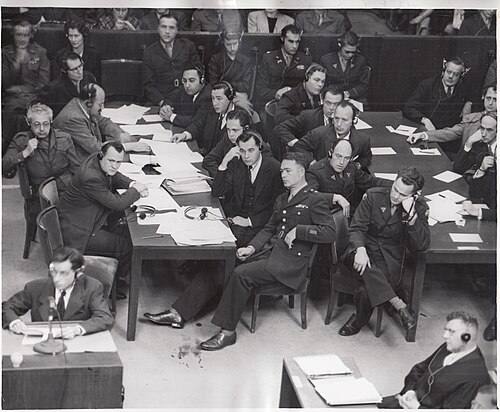 Same disease or problem1947The Nuremberg CodeThe Guatemala experiments ran in 1947 and 1948, the very years the Nuremberg Code made voluntary consent the first rule. The Code shows the verdict against Nazi doctors, issued while the Guatemala work was under way.Read this moment
-
 Same disease or problemc. 1956The Willowbrook hepatitis studiesBoth deliberately infected people who could not freely refuse, prisoners and patients in Guatemala and children at Willowbrook. The Willowbrook entry shows the hepatitis studies and the ethical debate still running.Read this moment