Reproductive Health
1973
Roe v. Wade
The US Supreme Court struck down Texas's criminal abortion laws, holding that the Fourteenth Amendment's protection of privacy included a woman's qualified right to end a pregnancy, and set out a framework that let states regulate more as pregnancy advanced.

Key people
- Jane Roe
- Pseudonymous pregnant plaintiff who challenged the Texas abortion laws
- Sarah R. Weddington
- Lawyer who argued the case for the challengers
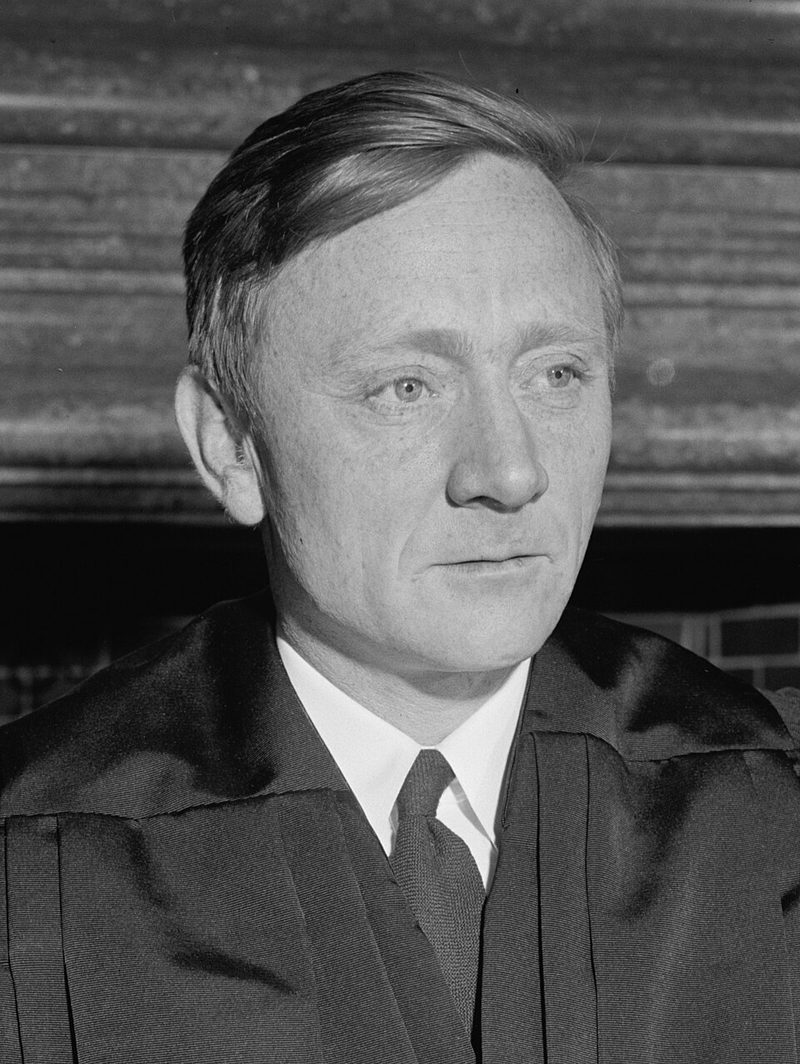
- Justice Blackmun
- Justice who delivered the opinion of the Court
Source
A pregnant single woman, using the name Jane Roe, brought a class action against the Texas criminal abortion laws, which made it a crime to procure or attempt an abortion except on medical advice to save the mother's life. A licensed physician, Hallford, who faced two pending state abortion prosecutions, joined the suit. Sarah R. Weddington argued for the challengers. The case was argued on 13 December 1971, reargued on 11 October 1972 and decided on 22 January 1973, together with a Georgia companion case, Doe v. Bolton.
Justice Blackmun wrote the Court's opinion. Laws like the Texas statutes, which exempted only a life-saving procedure regardless of the stage of pregnancy, were held to violate the Due Process Clause of the Fourteenth Amendment, which protects against state action the right to privacy, including a woman's qualified right to terminate her pregnancy. The state could not override that right, but it had legitimate interests in protecting the pregnant woman's health and the potentiality of human life, and each interest became compelling at a different stage.
The Court then set out stages. Before about the end of the first trimester, the abortion decision and how it was carried out were left to the medical judgment of the woman's attending physician. After that point, a state could regulate the procedure in ways reasonably related to maternal health. After viability, a state could regulate and even forbid abortion, except where it was necessary in appropriate medical judgment to preserve the mother's life or health. Justice Rehnquist dissented.
Studies of care recorded the shift from illegal to legal procedures. CDC's 1999 review of maternal health reported that the legalization of induced abortion, which began in the 1960s, contributed to an 89 percent fall in deaths from septic illegal abortions between 1950 and 1973. An analysis of national hospital discharge records for 1970 to 1977, published in 1982, concluded that legal abortions had largely replaced illegal ones, that hospital stays for abortion complications had shortened, and that complication rates for legal abortion appeared to have fallen. The Supreme Court overruled Roe in Dobbs v. Jackson Women's Health Organization, decided on 24 June 2022.
Keep exploring
All 526 moments in the history of medicine. This one is in chapter 6, Trials, scanners and rights
Connected moments
How this moment links to others in the history of medicine, and what you will find in each.
-
 Same disease or problem1965Griswold v. ConnecticutRoe grew from the constitutional right of privacy the Court recognized for contraception in Griswold. That entry shows the 1965 case of a birth control clinic director arrested in New Haven.Read this moment
- Same disease or problem1970Our Bodies, OurselvesThree years before Roe, this women's health book told readers that illegal abortion was the commonest cause of maternal death. Its entry shows how a Boston course became a bestselling guide, later adapted in 34 languages.Read this moment