Reproductive Health
2022
Dobbs v. Jackson Women's Health Organization
On 24 June 2022 the US Supreme Court held that the Constitution does not confer a right to abortion. It overruled Roe v. Wade and Planned Parenthood v. Casey and, in the Court's words, returned the authority to regulate abortion to the people and their elected representatives.
Key people
- Alison Gemmill
- Lead author of a 2025 JAMA study of infant mortality after bans
- Suzanne O. Bell
- Lead author of a 2025 JAMA study of births after bans
Source
Mississippi's Gestational Age Act barred abortion after 15 weeks of gestation except in a medical emergency or a case of severe fetal abnormality. Jackson Women's Health Organization, an abortion clinic, and one of its doctors sued, arguing that the law violated Roe v. Wade and Planned Parenthood of Southeastern Pennsylvania v. Casey. Those precedents barred states from banning abortion before viability, and on that basis a federal district court blocked the law and the Fifth Circuit affirmed. The state's health officer, Dobbs, took the case to the Supreme Court, which heard argument on 1 December 2021.
The decision came on 24 June 2022. Justice Alito wrote the opinion of the Court, joined by Justices Thomas, Gorsuch, Kavanaugh and Barrett. It held that the Constitution does not confer a right to abortion, overruled Roe and Casey, and, in the Court's words, returned the authority to regulate abortion to the people and their elected representatives. Justices Thomas and Kavanaugh also wrote concurrences. Chief Justice Roberts concurred only in the judgment, and Justices Breyer, Sotomayor and Kagan filed a joint dissent.
Two studies published in JAMA in 2025 compared outcomes in states that then banned abortion with modeled expectations. Suzanne Bell and colleagues estimated that births in states with bans ran 1.7 percent above expected, about 22,180 additional births, with larger increases among Medicaid beneficiaries, unmarried people and racial and ethnic minority groups. Alison Gemmill and colleagues found infant mortality in 14 states with bans of 6.26 deaths per 1,000 live births against 5.93 expected, a relative increase of 5.6 percent, or about 478 more infant deaths. The increase was about 11 percent among Black infants and for deaths from congenital anomalies. Texas accounted for much of it; without Texas the estimates were smaller and less certain.
Keep exploring
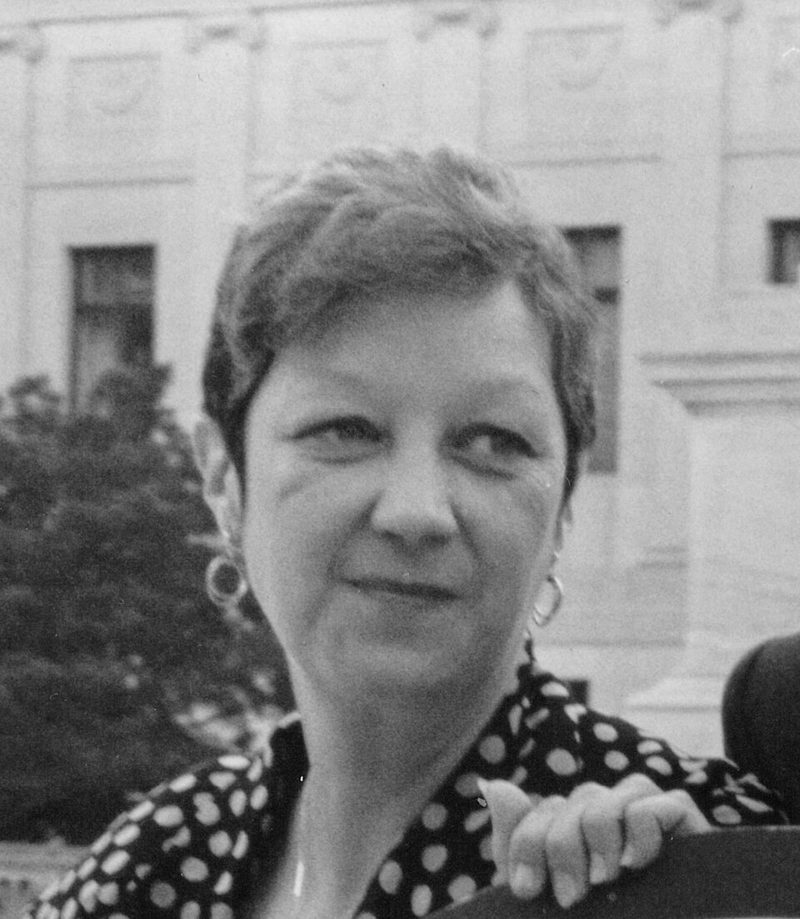 Read next · same disease or problem
Roe v. Wade (1973)
Dobbs overruled Roe, ending the constitutional right to abortion recognized in 1973. The Roe entry shows the trimester framework and the fall in deaths from illegal abortion.
Read this moment
Read next · same disease or problem
Roe v. Wade (1973)
Dobbs overruled Roe, ending the constitutional right to abortion recognized in 1973. The Roe entry shows the trimester framework and the fall in deaths from illegal abortion.
Read this moment
 Today on The Clinical Times
Love to Dream recalls portable baby sound machine over fire and burn risk
Love to Dream has recalled its portable Sleep Machine because its lithium-ion battery can overheat while charging with an incompatible charger, creating a risk of fire and burns.
Read today’s top stories
Today on The Clinical Times
Love to Dream recalls portable baby sound machine over fire and burn risk
Love to Dream has recalled its portable Sleep Machine because its lithium-ion battery can overheat while charging with an incompatible charger, creating a risk of fire and burns.
Read today’s top stories
All 526 moments in the history of medicine. This one is in chapter 7, Genes and pandemics
Connected moments
How this moment links to others in the history of medicine, and what you will find in each.
-
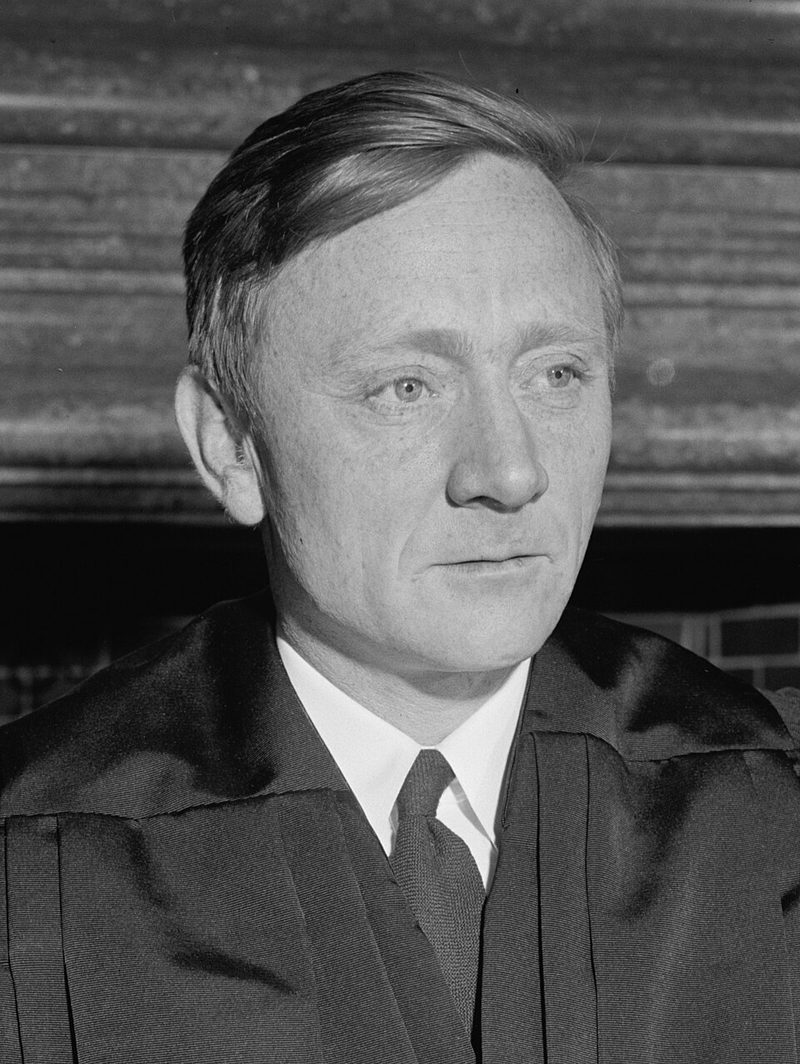 Same disease or problem1965Griswold v. ConnecticutRoe had rested on the right of privacy first recognized for contraception in Griswold. The Griswold entry shows a birth control clinic director's arrest and the 1965 ruling.Read this moment
-
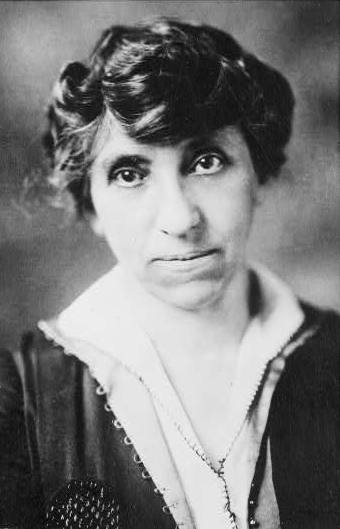 Same disease or problem1912The US Children's BureauResearchers found infant mortality rising in states that banned abortion after Dobbs, the measure the Children's Bureau first tracked. The bureau's entry shows infant deaths traced through whole towns.Read this moment