Epidemiology
2021
US opioid overdose epidemic and the fentanyl wave
In the 12 months ending April 2021 an estimated 100,306 people in the United States died of drug overdoses, and 106,699 died in calendar 2021, most with synthetic opioids such as fentanyl involved. The death rate had risen almost fivefold since 2001.
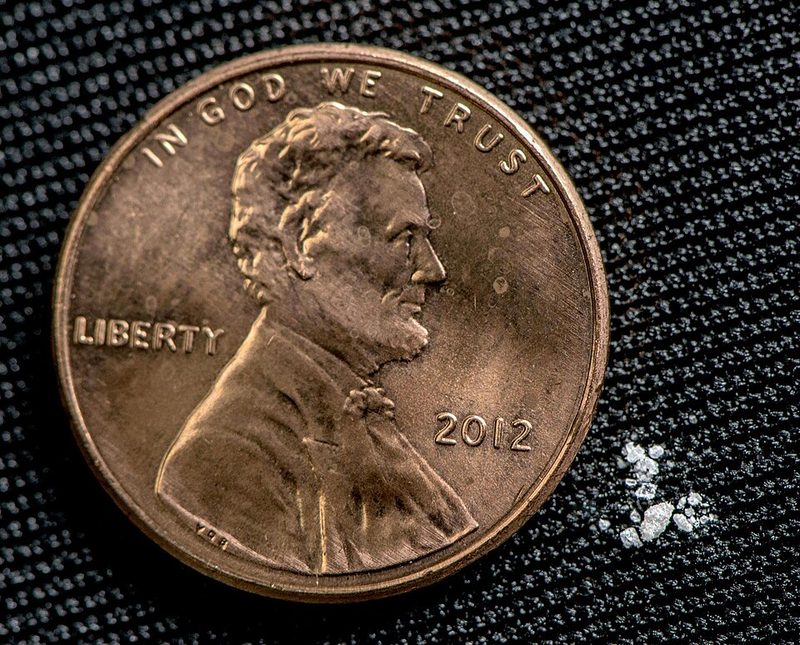
CDC describes the epidemic as three waves. The first, from 1999, followed a rise in opioid prescribing during the 1990s. The second, from 2010, brought rapid increases in deaths involving heroin. The third, from 2013, was driven by synthetic opioids, above all illegally made fentanyl, sold as powder or pressed into counterfeit pills. Between 1999 and 2014 more than 165,000 people died of overdoses involving prescription opioid pain medicines.
On 17 November 2021 the National Center for Health Statistics reported an estimated 100,306 overdose deaths in the 12 months ending April 2021, up 28.5 percent from 78,056 a year earlier. Deaths involving opioids rose from 56,064 to 75,673, and deaths involving synthetic opioids, mainly fentanyl, kept climbing. The final count for calendar 2021 was 106,699 deaths, an age-adjusted rate of 32.4 per 100,000.
That rate had been 6.8 per 100,000 in 2001. By 2021 the death rate involving synthetic opioids other than methadone, a group that includes fentanyl, was 21.8 per 100,000. Between 2020 and 2021 alone the synthetic opioid rate rose another 22 percent while the heroin death rate fell 32 percent. CDC now reports that illegally made fentanyl has largely saturated the illegal drug supply and can have other drugs mixed into it. By CDC's count about 806,000 people died of opioid overdoses from 1999 through 2023.
The toll then fell. In May 2025 NCHS estimated 80,391 overdose deaths for 2024, 26.9 percent fewer than the 110,037 of 2023 and the lowest annual figure since 2019. Deaths involving opioids dropped from an estimated 83,140 to 54,743.
Keep exploring
 Read next · same disease or problem
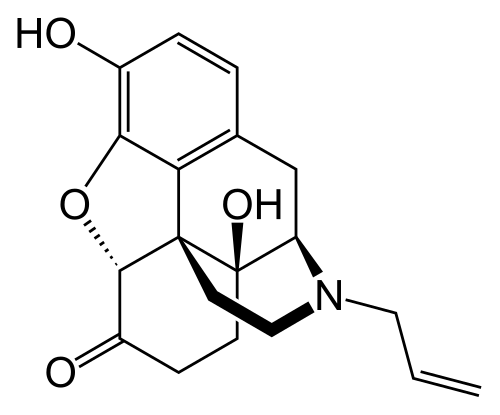
Naloxone approved as an opioid overdose antidote (1971)
As deaths climbed, naloxone moved from hospitals into homes and pharmacies. The naloxone entry shows the antidote approved over the counter in 2023.
Read this moment
Read next · same disease or problem
Naloxone approved as an opioid overdose antidote (1971)
As deaths climbed, naloxone moved from hospitals into homes and pharmacies. The naloxone entry shows the antidote approved over the counter in 2023.
Read this moment
 Today on The Clinical Times
Love to Dream recalls portable baby sound machine over fire and burn risk
Love to Dream has recalled its portable Sleep Machine because its lithium-ion battery can overheat while charging with an incompatible charger, creating a risk of fire and burns.
Read today’s top stories
Today on The Clinical Times
Love to Dream recalls portable baby sound machine over fire and burn risk
Love to Dream has recalled its portable Sleep Machine because its lithium-ion battery can overheat while charging with an incompatible charger, creating a risk of fire and burns.
Read today’s top stories
All 526 moments in the history of medicine. This one is in chapter 7, Genes and pandemics
Connected moments
How this moment links to others in the history of medicine, and what you will find in each.
- Same disease or problem2016CDC guideline for prescribing opioids for chronic painThe epidemic's first wave followed heavy opioid prescribing, which the 2016 guideline tried to curb. The guideline entry shows prescribing falling and the harm of applying it too rigidly.Read this moment
-
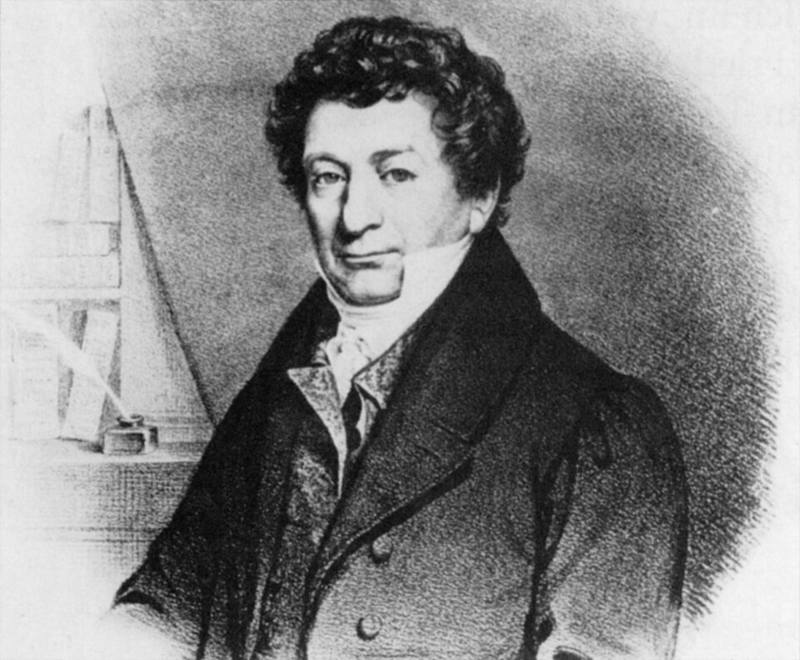 Same disease or problemc. 1805Sertürner's isolation of morphineThe epidemic began with prescription opioid painkillers, a story that starts with pure morphine crystallized from opium in 1805. His entry shows the first alkaloid isolated from a plant and the dose control it allowed.Read this moment
-
 Same disease or problem1914The Harrison Narcotic ActFederal drug control began with the Harrison Act, and a century later illegal fentanyl saturated the drug supply. The Harrison entry shows how a tax law became the base of drug enforcement.Read this moment