Public Health
2016
CDC guideline for prescribing opioids for chronic pain
Published on 18 March 2016, CDC's guideline told clinicians to prefer non-opioid treatment for chronic pain. Opioid prescribing then fell faster, but rigid policies that misapplied it led to abrupt tapers and harm to patients, and CDC published a revised guideline in 2022.
Key people
- Deborah Dowell
- Physician and lead author of the 2016 CDC guideline
- Tamara M. Haegerich
- Co-author of the 2016 guideline
- Roger Chou
- Co-author of the 2016 guideline
Source
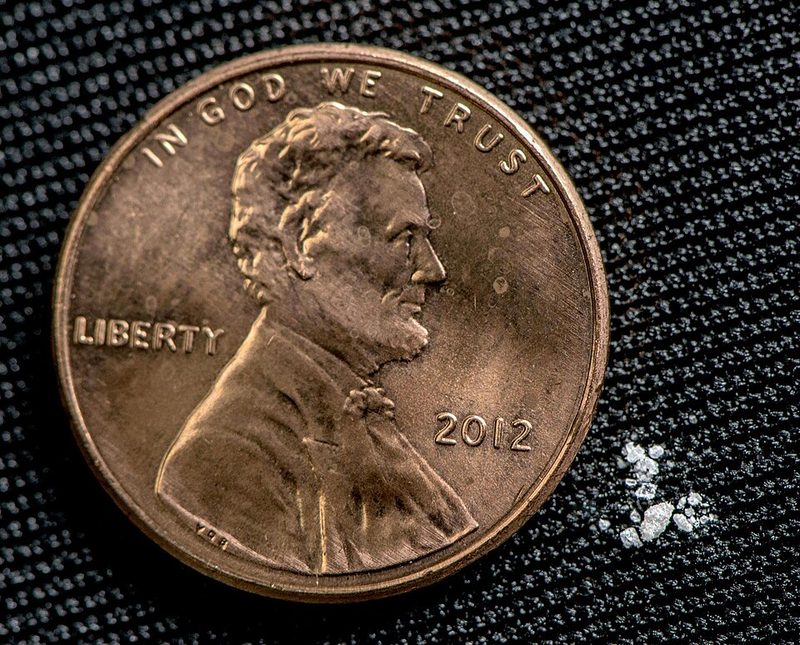
In 2012 prescribers in the United States wrote 259 million opioid prescriptions, and per-capita prescribing had risen 7.3 percent from 2007, with wide differences between states. From 1999 to 2014 more than 165,000 people died of overdoses related to opioid pain medication.
The guideline, by Deborah Dowell, Tamara Haegerich and Roger Chou, appeared in CDC's Morbidity and Mortality Weekly Report on 18 March 2016. Its 12 recommendations said that nonpharmacologic therapy and non-opioid drugs were preferred for chronic pain, and that opioids should be started only when expected benefits for pain and function outweighed the risks, combined with other treatments and tied to realistic goals. It advised the lowest effective dose, careful reassessment before raising it to 50 morphine milligram equivalents a day or more, and avoiding 90 or more or carefully justifying it, and said that three days or less would often be enough for acute pain, with more than seven rarely needed. Clinicians were told to check prescription drug monitoring program data, consider urine drug testing and naloxone, and arrange methadone or buprenorphine treatment for patients with opioid use disorder. The guideline also warned that combining opioids with benzodiazepines raised the risk of fatal overdose.
CDC's 2022 revision described what followed. The 2016 release was associated with faster declines in overall opioid prescribing and in high-risk prescribing, such as high doses and opioids given with benzodiazepines, and with modest increases in non-opioid pain prescriptions. Some policies said to be drawn from the guideline went well beyond it. According to CDC, rapid tapers, abrupt discontinuation without the patient's involvement, rigid dose thresholds and dismissal of patients from care contributed to untreated pain, serious withdrawal, psychological distress, overdose and suicidal thoughts.
Keep exploring
 Read next · same disease or problem
US opioid overdose epidemic and the fentanyl wave (2021)
The guideline answered prescription opioid deaths, but overdoses kept climbing as fentanyl spread. The 2021 entry shows more than 100,000 overdose deaths in a single year.
Read this moment
Read next · same disease or problem
US opioid overdose epidemic and the fentanyl wave (2021)
The guideline answered prescription opioid deaths, but overdoses kept climbing as fentanyl spread. The 2021 entry shows more than 100,000 overdose deaths in a single year.
Read this moment
 Today on The Clinical Times
Love to Dream recalls portable baby sound machine over fire and burn risk
Love to Dream has recalled its portable Sleep Machine because its lithium-ion battery can overheat while charging with an incompatible charger, creating a risk of fire and burns.
Read today’s top stories
Today on The Clinical Times
Love to Dream recalls portable baby sound machine over fire and burn risk
Love to Dream has recalled its portable Sleep Machine because its lithium-ion battery can overheat while charging with an incompatible charger, creating a risk of fire and burns.
Read today’s top stories
All 526 moments in the history of medicine. This one is in chapter 7, Genes and pandemics
Connected moments
How this moment links to others in the history of medicine, and what you will find in each.
-
 Same disease or problem1971Naloxone approved as an opioid overdose antidoteThe guideline told clinicians to consider naloxone for patients on opioids. The naloxone entry shows the antidote moving from ambulances to pharmacy shelves.Read this moment
-
 Same disease or problem1914The Harrison Narcotic ActBoth tried to rein in how doctors prescribe opioids, and both were enforced far beyond their original wording. The Harrison entry shows physicians arrested for supplying addicts under a tax law.Read this moment
-
 Same disease or problem1965Methadone maintenance treatment for heroin addiction (Dole and Nyswander)The guideline told clinicians to arrange methadone or buprenorphine for patients with opioid use disorder. The methadone entry shows how Dole and Nyswander began maintenance treatment in 1965.Read this moment