Public Health
1914
The Harrison Narcotic Act
Signed on 17 December 1914, the act made everyone who produced, sold or dispensed opium, coca leaves and their derivatives register and pay a federal tax, and limited physicians to prescribing them in professional practice. Court rulings made it the base of federal drug enforcement.
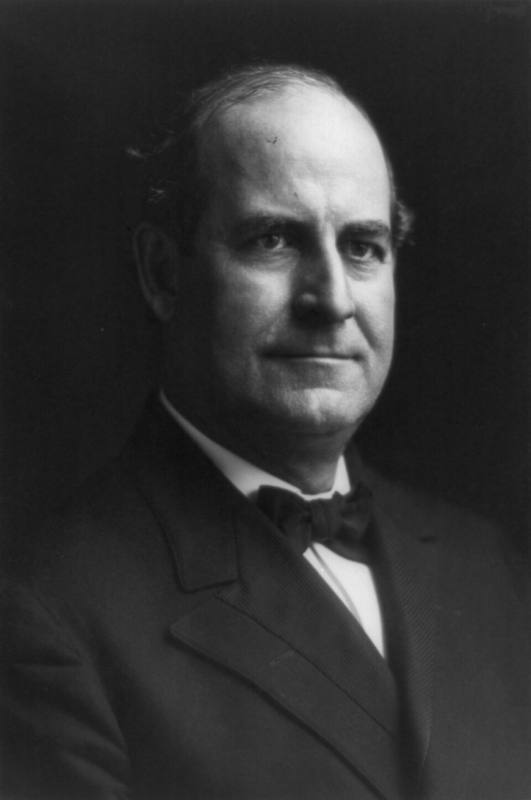
Key people
- William Jennings Bryan
- Secretary of State who urged a law to meet the opium treaty
- Woodrow Wilson
- President who signed the act on 17 December 1914
- Levi G. Nutt
- Former pharmacist who headed the Treasury's Narcotic Division
Source
The Harrison Act began in diplomacy. International opium conferences at Shanghai in 1909 and The Hague in 1911 produced the first international opium agreement, and Secretary of State William Jennings Bryan pressed Congress for a law to meet it. President Woodrow Wilson signed the Harrison Act on 17 December 1914. Federal regulation of medicine was widely thought unconstitutional, so the act was written as a revenue measure.
From 1 March 1915 anyone who produced, imported, sold, dispensed or gave away opium or coca leaves or their derivatives had to register with the collector of internal revenue and pay a special tax of $1 a year. Sales required a written order on a form issued by the Treasury. Physicians, dentists and veterinarians could dispense the drugs in the course of their professional practice only, and had to keep records. Low-dose remedies, such as those with no more than a quarter grain of morphine per ounce, were exempt. Violations carried up to five years in prison. The act did not mention addicts.
The Treasury's Bureau of Internal Revenue enforced it with 162 agents, who soon began arresting physicians and druggists for supplying addicts. The courts at first pulled the other way. In 1916 the Supreme Court voted 7 to 2 against the government in the case of Jin Fuey Moy, a Pittsburgh physician who had prescribed morphine for an addict.
That changed on 3 March 1919. In United States v. Doremus the Court, by 5 votes to 4, upheld the act under the taxing power. In Webb v. United States, decided the same day, a Memphis physician had written more than 4,000 morphine prescriptions for habitual users in eleven months, at 50 cents each, in whatever quantities they wanted. The Court held that an order meant to maintain a user's customary habit was not a prescription at all. By the end of 1921 the Treasury's Narcotic Division under Levi Nutt had closed 44 narcotics clinics, with the American Medical Association's endorsement.
In Linder v. United States (1925) the Court ruled that direct control of medical practice in the states was beyond federal power, and that a physician acting in good faith could give an addict moderate amounts to relieve conditions incident to addiction. In 1970 the Controlled Substances Act replaced the tax basis of federal drug control with Congress's power over interstate commerce.
Keep exploring
 Read next · same disease or problem
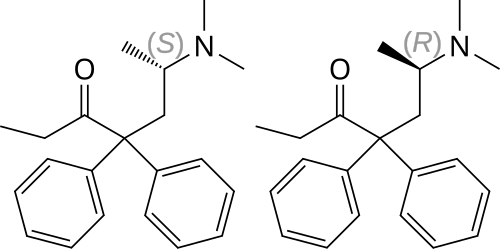
Methadone maintenance treatment for heroin addiction (Dole and Nyswander) (1965)
Under the Harrison Act the Supreme Court held that an order to maintain a user's habit was not a prescription, and clinics for addicts were closed. The methadone story shows maintenance treatment returning in 1965 as medicine.
Read this moment
Read next · same disease or problem
Methadone maintenance treatment for heroin addiction (Dole and Nyswander) (1965)
Under the Harrison Act the Supreme Court held that an order to maintain a user's habit was not a prescription, and clinics for addicts were closed. The methadone story shows maintenance treatment returning in 1965 as medicine.
Read this moment
 Today on The Clinical Times
Love to Dream recalls portable baby sound machine over fire and burn risk
Love to Dream has recalled its portable Sleep Machine because its lithium-ion battery can overheat while charging with an incompatible charger, creating a risk of fire and burns.
Read today’s top stories
Today on The Clinical Times
Love to Dream recalls portable baby sound machine over fire and burn risk
Love to Dream has recalled its portable Sleep Machine because its lithium-ion battery can overheat while charging with an incompatible charger, creating a risk of fire and burns.
Read today’s top stories
All 526 moments in the history of medicine. This one is in chapter 5, Cures and codes
Connected moments
How this moment links to others in the history of medicine, and what you will find in each.
- Same disease or problem2016CDC guideline for prescribing opioids for chronic painBoth tried to govern how doctors prescribe opioids, the 1914 act by law and the 2016 guideline by advice. The guideline's story shows prescribing falling and rigid policies harming some patients.Read this moment
-
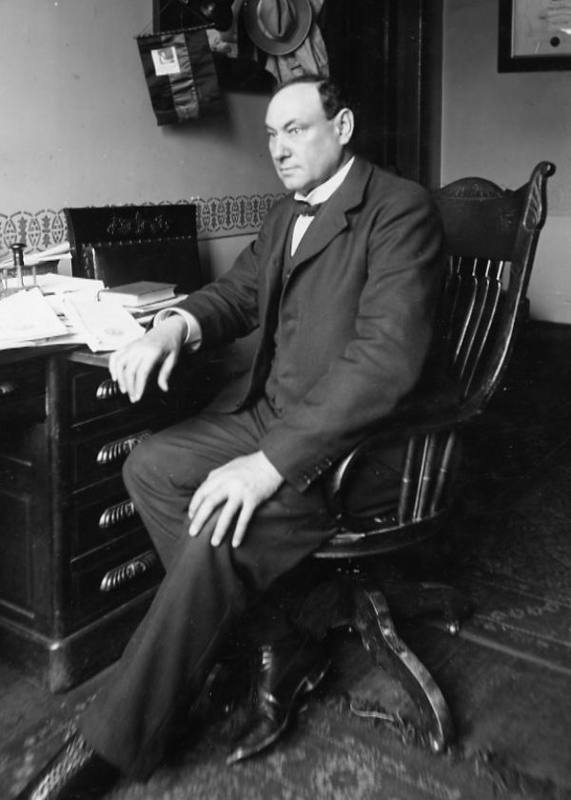 Same disease or problem1906Pure Food and Drug Act of 1906The 1906 act made labels declare heroin and cocaine, and the Harrison Act put the drugs themselves under federal control. The 1906 story shows the novel that pushed Congress to regulate food and drugs.Read this moment