Public Health
1906
Pure Food and Drug Act of 1906
Signed on 30 June 1906, the act made unlawful food and drugs shipped between states subject to seizure, required drug labels to declare dangerous ingredients such as alcohol, heroin and cocaine, and gave enforcement to the Bureau of Chemistry.
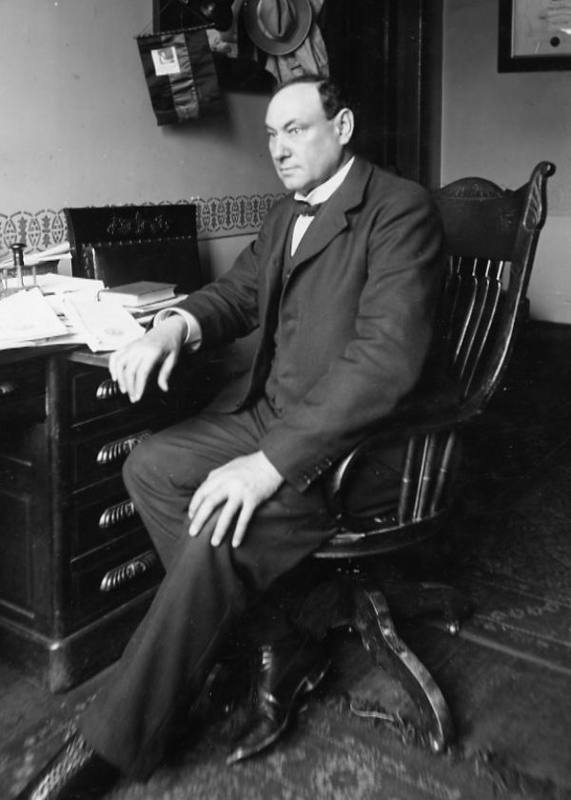
Key people
- Harvey Washington Wiley
- Head of the Bureau of Chemistry who campaigned for the law
- Theodore Roosevelt
- US president who signed the act on 30 June 1906
- Upton Sinclair
- Novelist whose The Jungle exposed meatpacking conditions
- Alice Lakey
- National Consumers League campaigner allied with Wiley
Source
Spoiled milk was dosed with formaldehyde to make it taste tolerable, what was sold as ground coffee was probably chicory, and the yellow coating on children's sweets often contained arsenic. That is how Michael Bazaco of the FDA, reviewing Deborah Blum's history of the period for the CDC journal Emerging Infectious Diseases, sums up what Americans were eating in the late 1800s.
Harvey Washington Wiley, who led the Bureau of Chemistry in the US Department of Agriculture, spent years pressing Congress for federal control. He had allies: Alice Lakey of the National Consumers League, colleagues in the American Medical Association and even the food manufacturer H.J. Heinz. The final push came from a novel. According to the FDA's own history, the conditions in the meatpacking industry that Upton Sinclair described in The Jungle were the last precipitating force.
Theodore Roosevelt signed the Food and Drugs Act on 30 June 1906. It prohibited the interstate transport of unlawful food and drugs, under penalty of seizure. Drug labels had to show the presence and amount of eleven dangerous ingredients, among them alcohol, heroin and cocaine, and drugs had to meet the standards of the United States Pharmacopoeia and the National Formulary or state plainly how they differed. The Bureau of Chemistry was charged with enforcing the law.
Enforcement proved hard. Wiley faced political opposition, presidents with other priorities and large food and chemical companies looking for ways around the law. In 1911 the Supreme Court ruled that the act did not, as the government had argued, apply to false therapeutic claims. An amendment in 1912, the year Wiley resigned, tried to repair the wording. The 1906 law stayed in force until Congress replaced it with the Federal Food, Drug, and Cosmetic Act in 1938.
Keep exploring
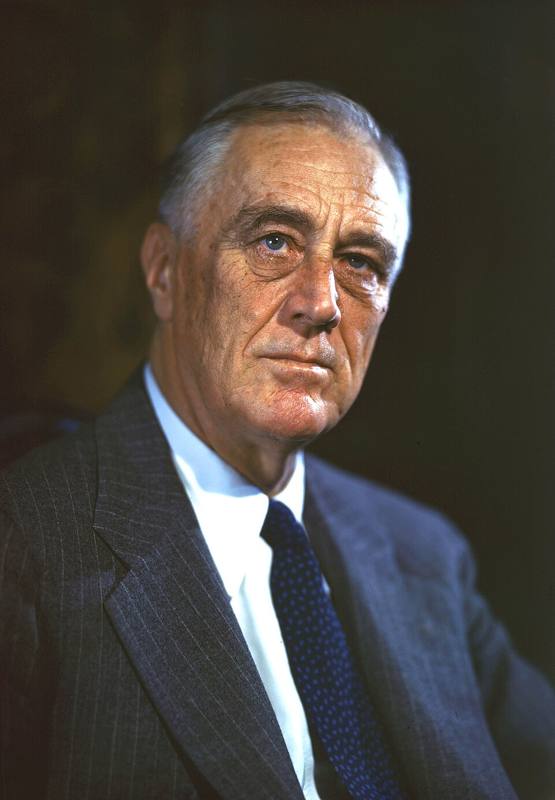 Read next · led to
Federal Food, Drug, and Cosmetic Act of 1938
Congress replaced the 1906 law with the Food, Drug, and Cosmetic Act of 1938 after a poisoned medicine killed patients. That story shows drugs required to be proven safe before sale.
Read this moment
Read next · led to
Federal Food, Drug, and Cosmetic Act of 1938
Congress replaced the 1906 law with the Food, Drug, and Cosmetic Act of 1938 after a poisoned medicine killed patients. That story shows drugs required to be proven safe before sale.
Read this moment
 Today on The Clinical Times
Love to Dream recalls portable baby sound machine over fire and burn risk
Love to Dream has recalled its portable Sleep Machine because its lithium-ion battery can overheat while charging with an incompatible charger, creating a risk of fire and burns.
Read today’s top stories
Today on The Clinical Times
Love to Dream recalls portable baby sound machine over fire and burn risk
Love to Dream has recalled its portable Sleep Machine because its lithium-ion battery can overheat while charging with an incompatible charger, creating a risk of fire and burns.
Read today’s top stories
All 526 moments in the history of medicine. This one is in chapter 5, Cures and codes
Connected moments
How this moment links to others in the history of medicine, and what you will find in each.
-
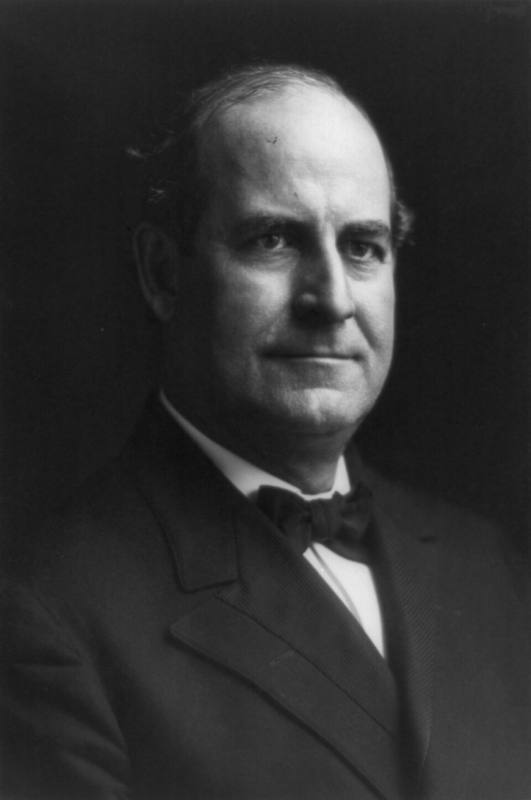 Same disease or problem1914The Harrison Narcotic ActThe 1906 act made labels declare heroin and cocaine, and the Harrison Act of 1914 put those drugs under federal tax and control. Its story shows how court rulings made it the base of federal drug enforcement.Read this moment
-
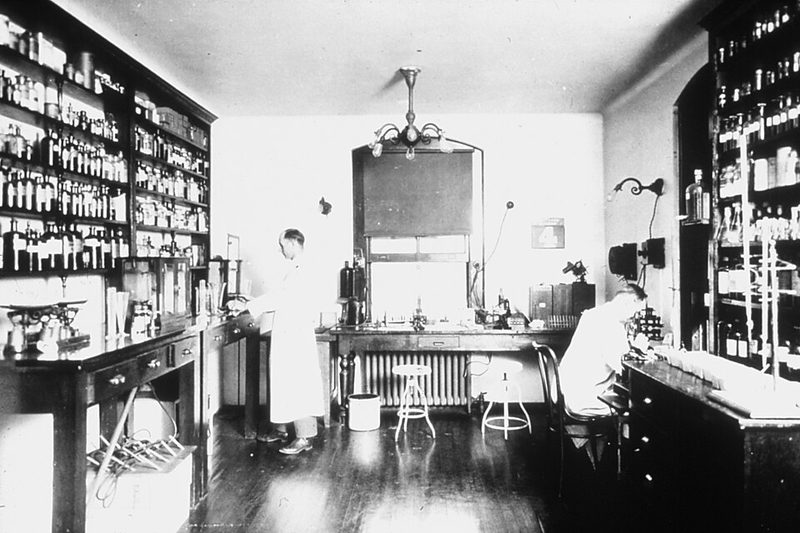 Same disease or problem1902The Biologics Control Act of 1902Both were early federal laws protecting Americans from contaminated products, food and drugs in 1906 and vaccines and serums in 1902. The Biologics story shows the children's deaths that forced Congress to act.Read this moment