Public Health
1938
Federal Food, Drug, and Cosmetic Act of 1938
Passed after a liquid sulfa drug made with diethylene glycol killed more than 100 people in 1937, the act required drug makers to show the FDA that a new drug was safe before it could be sold.
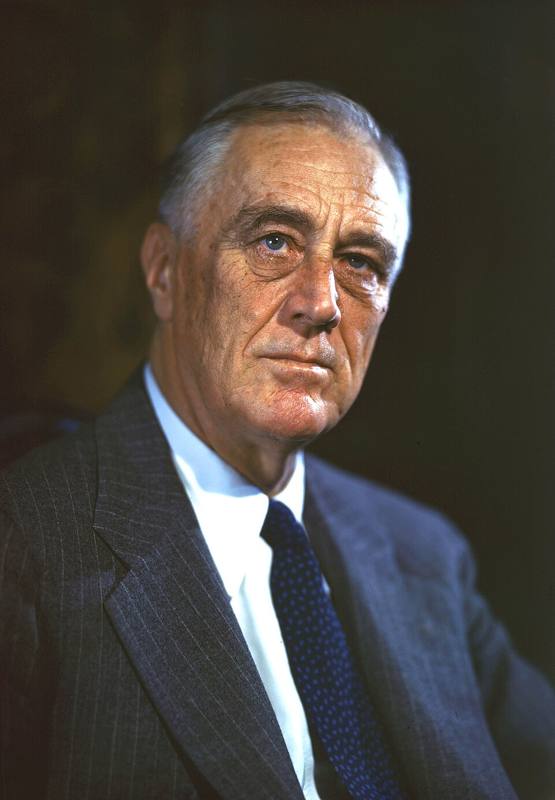
Key people
- Franklin D. Roosevelt
- US president who signed the act on 25 June 1938
Source
Sulfanilamide, the first of the sulfa antimicrobial drugs, was still new in 1937, when a Tennessee drug company marketed it as a liquid, Elixir Sulfanilamide, using diethylene glycol as the solvent. The FDA's own history calls that solvent a highly toxic chemical analogue of antifreeze. No law required the company to test the product for toxicity before selling it.
More than 100 people died after taking it, many of them children. The emergency physician Paul Wax, reviewing the episode for Annals of Internal Medicine in 1995, counted 105 deaths from its therapeutic use. The Food and Drug Administration of the day worked mainly as a policing agency, seizing adulterated drugs once they were on the market.
A bill to replace the 1906 food and drug law had been stuck in Congress for five years. After the deaths it was strengthened and passed, and Franklin Roosevelt signed the Federal Food, Drug, and Cosmetic Act on 25 June 1938. Its central change was premarket approval: a manufacturer now had to prove to the FDA that a new drug was safe before it could be sold.
The act did more. It brought cosmetics and medical devices under federal control, required drug labels to carry adequate directions for safe use, prohibited false therapeutic claims for drugs, dealt with tolerances for certain poisonous substances in food and formally authorized factory inspections. Wax describes the result as a change in the FDA's work, away from confiscating adulterated drugs and toward overseeing the evaluation of new ones.
Keep exploring
 Read next · built on
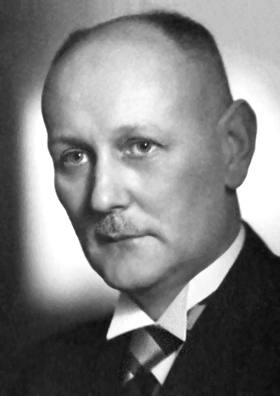
Prontosil and the Sulfonamide Drugs (1935)
The disaster behind the 1938 act involved sulfanilamide, the new sulfa drug descended from Prontosil. Domagk's story shows the red dye that began the sulfa drugs.
Read this moment
Read next · built on
Prontosil and the Sulfonamide Drugs (1935)
The disaster behind the 1938 act involved sulfanilamide, the new sulfa drug descended from Prontosil. Domagk's story shows the red dye that began the sulfa drugs.
Read this moment
 Today on The Clinical Times
Love to Dream recalls portable baby sound machine over fire and burn risk
Love to Dream has recalled its portable Sleep Machine because its lithium-ion battery can overheat while charging with an incompatible charger, creating a risk of fire and burns.
Read today’s top stories
Today on The Clinical Times
Love to Dream recalls portable baby sound machine over fire and burn risk
Love to Dream has recalled its portable Sleep Machine because its lithium-ion battery can overheat while charging with an incompatible charger, creating a risk of fire and burns.
Read today’s top stories
All 526 moments in the history of medicine. This one is in chapter 5, Cures and codes
Connected moments
How this moment links to others in the history of medicine, and what you will find in each.
-
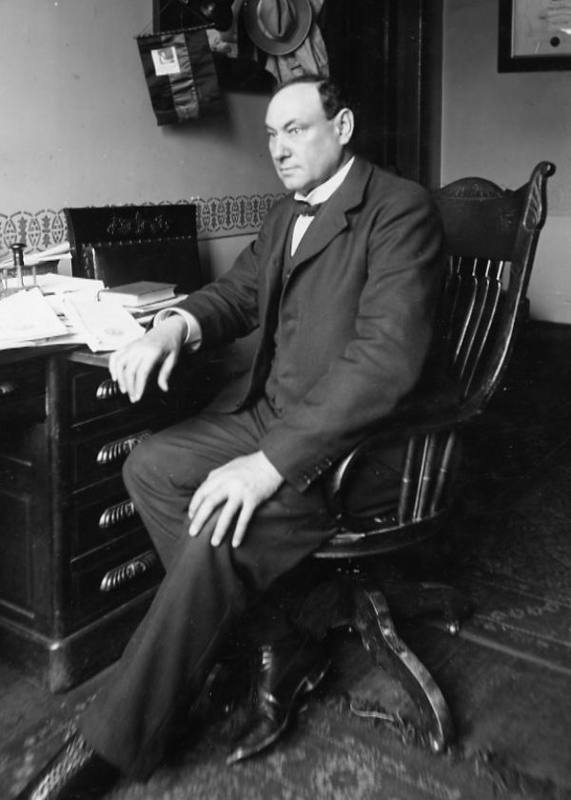 Built on1906Pure Food and Drug Act of 1906The 1938 act replaced the 1906 law, whose replacement had been stuck in Congress for five years. The 1906 story shows the first federal food and drug law, pushed through after The Jungle.Read this moment
-
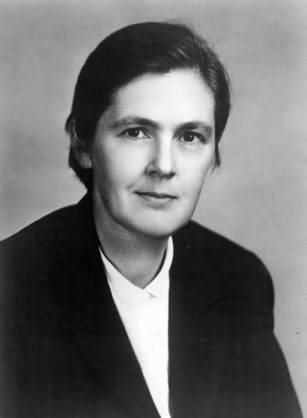 Led to1962Kefauver-Harris Drug AmendmentsFrom 1938 to 1962 drug approval needed evidence of safety alone, and the 1962 amendments added proof that drugs work. That story shows the thalidomide crisis that forced the change.Read this moment