Infectious Disease
1937
Theiler's 17D yellow fever vaccine
Max Theiler’s Rockefeller Foundation team weakened yellow fever virus by long culture in chick embryo tissue and in 1937 reported the 17D strain for human vaccination. It was used in Brazil from 1937 and for millions of American servicemen; Theiler received the 1951 Nobel Prize.
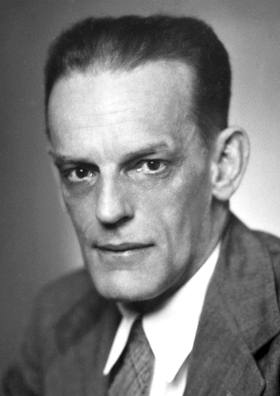
Key people
- Max Theiler
- South African-born scientist who led the work on the 17D vaccine
- Hugh Smith
- Found the attenuated 17D strain and ran the Brazil vaccinations
Source
Yellow fever research killed its researchers. In June 1927 the West African Yellow Fever Commission, based near Lagos, injected blood from a 28-year-old man named Asibi, who had a mild fever and survived, into a rhesus monkey, and the disease was established in a laboratory animal for the first time. Adrian Stokes of the expedition died of yellow fever soon afterward, and Hideyo Noguchi and William Young died of it in 1928. In 1931 the Rockefeller Foundation's International Health Division counted 32 laboratory infections, five of them fatal.
In 1930 Max Theiler, a South African working at Harvard, found that the virus grew in the brains of mice. Repeated mouse passage made it gentler on the liver and organs of monkeys but more dangerous to the nervous system, and around the 30th passage Theiler caught a mild case himself. A mouse brain vaccine given with immune human serum protected laboratory workers, and in French Africa a serumless version scratched into the skin reached millions, with febrile and neurological reactions.
Theiler, now in the Rockefeller Foundation's laboratories in New York, turned to tissue culture. Simple passage did not tame the virus's attack on the nervous system, so the team grew the Asibi strain in chick embryo tissue with the nervous tissue removed. At the 100th subculture in that medium, the 176th in chick embryo altogether, Hugh Smith found that the virus no longer killed mice injected into the brain. The change could not be reproduced, and the team put it down to a chance mutation. The strain, 17D, protected animals safely and could be given without immune serum.
Smith took 17D to Brazil in 1937. Grown in fertile eggs and freeze-dried, it was given to 59,000 people within a year without severe complications, and to 1.3 million by June 1939. In 1941, 119 cases of encephalitis in Brazil were traced to one lot that had mutated during a few extra subcultures, which led to the seed lot system of frozen master seeds. Human serum used as a stabilizer carried hepatitis: after about 7 million doses went to American forces from January 1941 to April 1942, 26,771 cases of jaundice were reported, later shown to be hepatitis B. The serum was dropped.
Theiler received the 1951 Nobel Prize in Physiology or Medicine for his discoveries concerning yellow fever and how to combat it.
Keep exploring
 Read next · same disease or problem
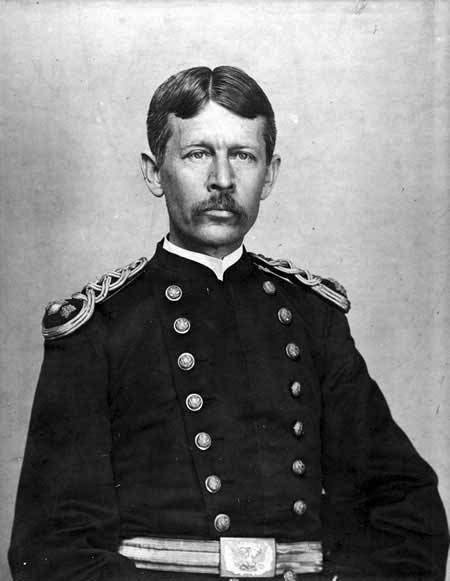
Reed Yellow Fever Commission (1900)
Reed's commission showed that mosquitoes spread yellow fever, and Theiler made a vaccine to prevent it. Reed's story shows volunteers with written contracts and mosquito control clearing Havana.
Read this moment
Read next · same disease or problem
Reed Yellow Fever Commission (1900)
Reed's commission showed that mosquitoes spread yellow fever, and Theiler made a vaccine to prevent it. Reed's story shows volunteers with written contracts and mosquito control clearing Havana.
Read this moment
 Today on The Clinical Times
Love to Dream recalls portable baby sound machine over fire and burn risk
Love to Dream has recalled its portable Sleep Machine because its lithium-ion battery can overheat while charging with an incompatible charger, creating a risk of fire and burns.
Read today’s top stories
Today on The Clinical Times
Love to Dream recalls portable baby sound machine over fire and burn risk
Love to Dream has recalled its portable Sleep Machine because its lithium-ion battery can overheat while charging with an incompatible charger, creating a risk of fire and burns.
Read today’s top stories
All 526 moments in the history of medicine. This one is in chapter 5, Cures and codes
Connected moments
How this moment links to others in the history of medicine, and what you will find in each.
-
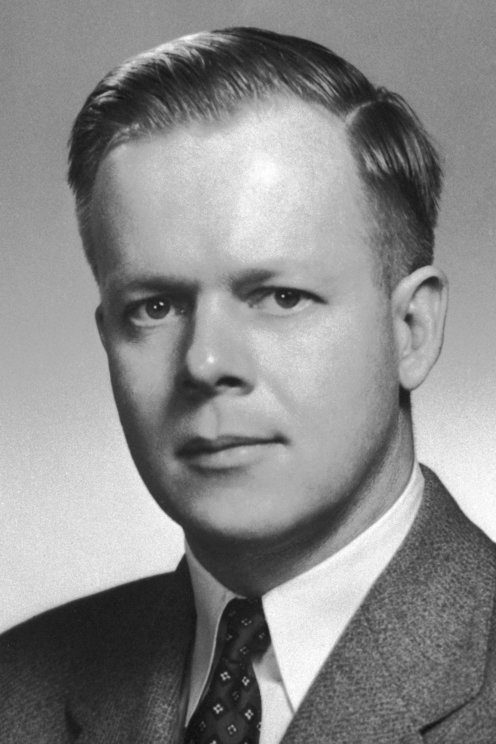 Same disease or problem1949Growing poliovirus in tissue cultureTheiler tamed yellow fever virus by growing it in chick embryo tissue, and Enders grew poliovirus in human tissue culture. That story shows the method that made the polio vaccines possible.Read this moment
-
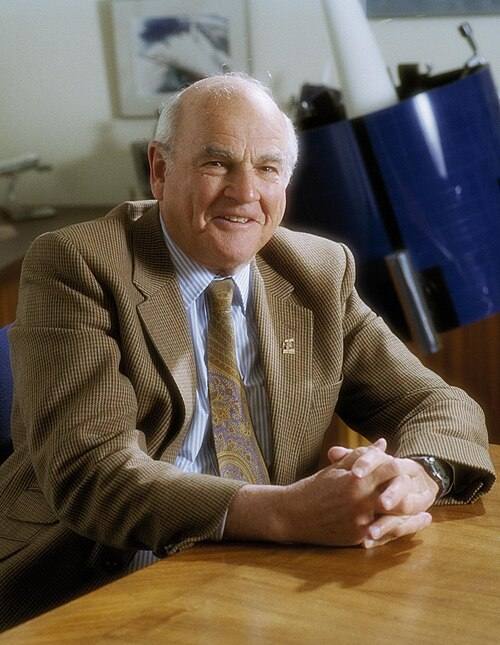 Same disease or problem1965Discovery of the hepatitis B virus (Australia antigen)Human serum used to stabilize the yellow fever vaccine carried hepatitis to thousands of soldiers, later shown to be hepatitis B. Blumberg's story shows how the hepatitis B virus was found in 1965.Read this moment