Foundational Discovery
1937
Krebs and the citric acid cycle
In 1937 Hans Krebs and W. A. Johnson in Sheffield showed that cells oxidize fuel through a closed loop of acids that regenerates oxaloacetate at every turn. Krebs shared the 1953 Nobel Prize for the citric acid cycle.
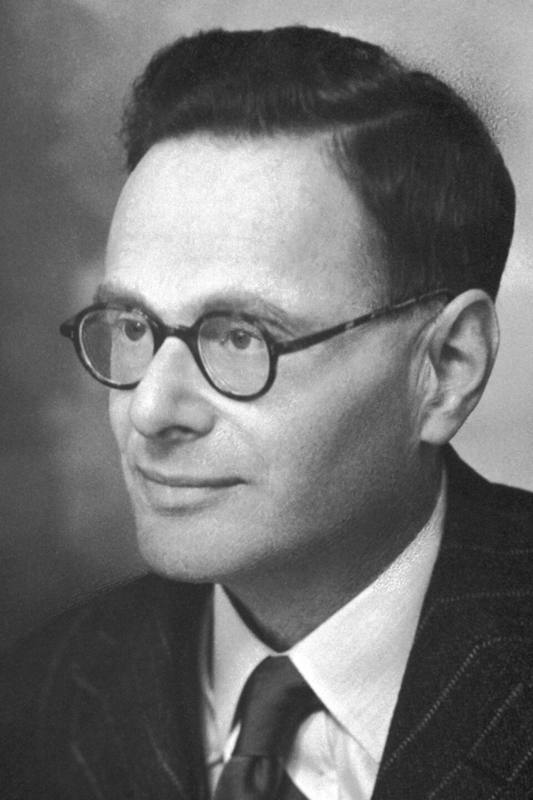
Key people
- Hans Krebs
- Sheffield biochemist who proposed the cycle; Nobel laureate 1953
- W. A. Johnson
- Co-author of the 1937 citric acid cycle paper
- Fritz Lipmann
- Discovered coenzyme A; shared the 1953 Nobel Prize
Source
Biochemists of the 1930s knew many single reactions by which cells burn food, and could not connect them. Between 1906 and 1920 Thunberg tested more than 60 organic substances, mostly in muscle, and found that salts of lactate, succinate, fumarate, malate, citrate and glutamate were oxidized fast. In 1935 Albert Szent-Györgyi in Szeged found that minced pigeon breast, the bird's main flight muscle, kept its oxidizing power well, and that succinate, fumarate, malate and oxaloacetate acted partly as catalysts of its respiration. In December 1936 Stare and Baumann proved the catalytic effect: very small amounts raised respiration far beyond what their own oxidation needed. Nobody could explain it.
Hans Krebs, a German physician trained under Otto Warburg, had been dismissed by the National Socialist government in June 1933 and went to Cambridge at the invitation of Frederick Gowland Hopkins. In 1935 he moved to Sheffield as a lecturer in pharmacology. He had already studied how the liver makes urea. Early in 1937 his laboratory found that citrate acted as a catalyst of respiration just as succinate did, and in March Martius and Knoop worked out the first steps of citrate breakdown.
Between March and June 1937 Krebs and W. A. Johnson supplied the rest. Citrate broke down quickly in muscle. With malonate added to block the oxidation of succinate, succinate built up from citrate. Most telling, muscle made citrate when given oxaloacetate, as if oxaloacetate combined with a fragment of pyruvate or acetate. The loop closed: that fragment joins oxaloacetate to form citrate, which passes through cis-aconitate, isocitrate, alpha-ketoglutarate, succinate, fumarate and malate back to oxaloacetate, oxidizing one acetic acid equivalent each turn. They named it the citric acid cycle.
Krebs sent a letter on the cycle to Nature, which rejected it five days later. The paper appeared in the Dutch journal Enzymologia. Later workers added three intermediates, among them oxalosuccinate, established in 1948 by Severo Ochoa and independently by Feodor Lynen, and acetyl coenzyme A, the two-carbon compound that enters the cycle, which followed from Fritz Lipmann's work on coenzyme A. Amino acids such as glutamic acid, aspartic acid and alanine also feed the cycle, so protein is burned through it as well as carbohydrate.
Krebs and Lipmann shared the 1953 Nobel Prize in Physiology or Medicine. In 1954 Krebs moved to Oxford as Whitley Professor of Biochemistry, bringing his Medical Research Council unit with him.
Keep exploring
 Read next · same disease or problem
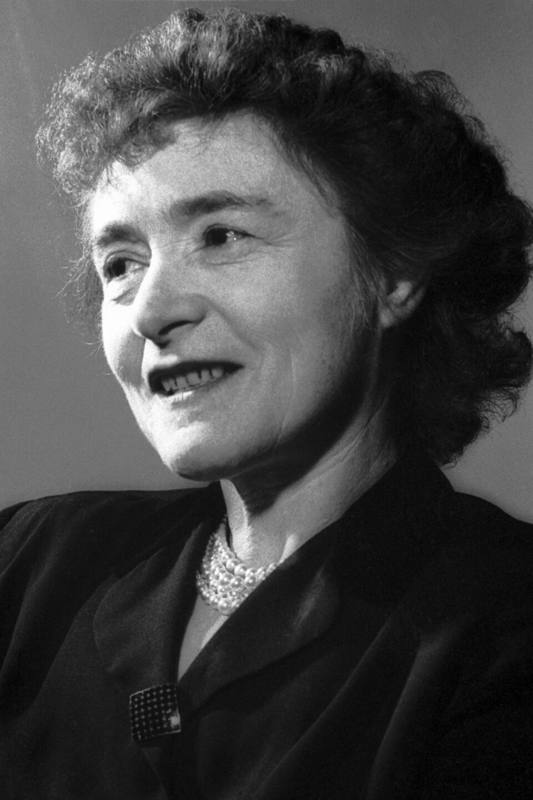
Gerty and Carl Cori and glycogen (1947)
Krebs traced how cells burn fuel through a loop of acids, and the Coris traced how the body stores and releases sugar as glycogen. Their story shows Gerty Cori becoming the first woman to win the Nobel Prize for medicine.
Read this moment
Read next · same disease or problem
Gerty and Carl Cori and glycogen (1947)
Krebs traced how cells burn fuel through a loop of acids, and the Coris traced how the body stores and releases sugar as glycogen. Their story shows Gerty Cori becoming the first woman to win the Nobel Prize for medicine.
Read this moment
 Today on The Clinical Times
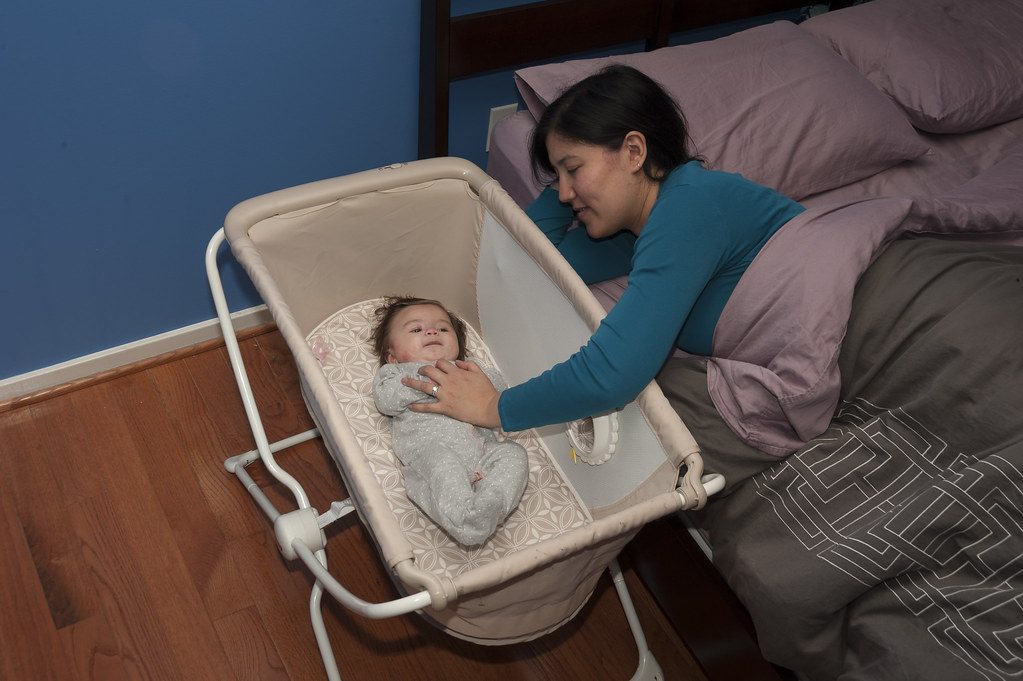
Love to Dream recalls portable baby sound machine over fire and burn risk
Love to Dream has recalled its portable Sleep Machine because its lithium-ion battery can overheat while charging with an incompatible charger, creating a risk of fire and burns.
Read today’s top stories
Today on The Clinical Times
Love to Dream recalls portable baby sound machine over fire and burn risk
Love to Dream has recalled its portable Sleep Machine because its lithium-ion battery can overheat while charging with an incompatible charger, creating a risk of fire and burns.
Read today’s top stories
All 526 moments in the history of medicine. This one is in chapter 5, Cures and codes
Connected moments
How this moment links to others in the history of medicine, and what you will find in each.
-
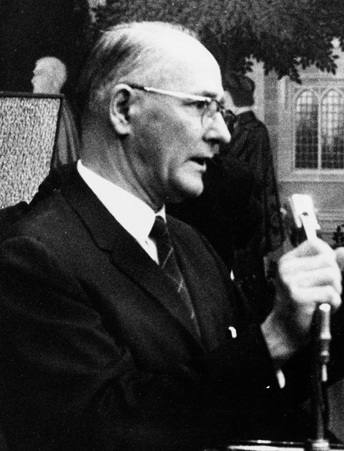 Same disease or problem1941Beadle, Tatum and one gene, one enzymeKrebs mapped a chain of chemical steps in the cell, and Beadle and Tatum showed that each such step is governed by a gene. Their story shows bread mold mutants each missing one step.Read this moment
-
 Same disease or problem1839Schleiden and Schwann's cell theorySchwann coined the word metabolism, and Krebs found the loop at its center. The cell theory story shows how the cell became the common unit of all living things.Read this moment