Foundational Discovery
1839
Schleiden and Schwann's cell theory
Matthias Schleiden described cells as the building units of plants in 1838, and in 1839 Theodor Schwann showed that animal tissues, from cartilage to blood, develop from cells on the same plan. Together they made the cell the common unit of living things.
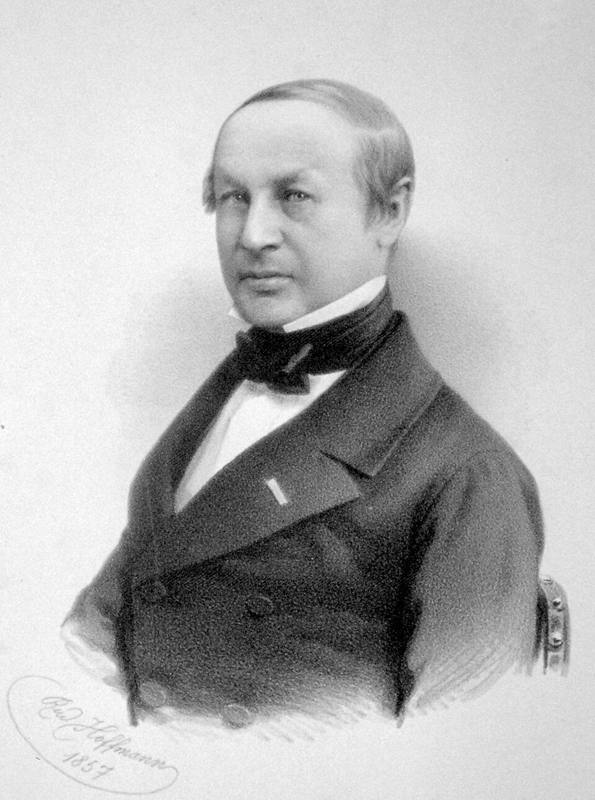
Key people
- Theodor Schwann
- Extended the cell to animal tissues in his 1839 book
- Matthias Schleiden
- Botanist who called cells the units of all plants, 1838
- Johannes Müller
- Schwann's teacher; his Archiv printed Schleiden's 1838 paper
Source
Plant cells had been familiar to microscopists for a long time, and in 1831 the botanist Robert Brown described the nucleus in orchid cells. Animal tissues seemed too varied to share a single plan, and plants and animals were thought to grow in different ways. Matthias Schleiden, studying how new plant cells form, concluded that cells were the structural units of all plants and published his account in Johannes Müller's Archiv in 1838.
Schleiden told Theodor Schwann, Müller's favorite pupil, about his results in October 1837, before they were printed. In Schleiden's scheme a new cell started as a small vesicle rising on the nucleus, which he called the cytoblast. Schwann had already noticed that the notochord and the gill cartilage of tadpoles looked like plant tissue, and Schleiden's findings led him into wider studies of animal tissues.
His book of 1839 argued that one common principle of development underlay the elementary parts of all organisms, plant and animal. He treated blood corpuscles and the cells of epithelium, cartilage and plants as versions of the same unit, and he showed that very different tissues grow from cells that at first look alike. He compared the process to crystals, which take many shapes but form by the same laws.
Both men were wrong about how new cells arise; Hektoen International's account says they believed new cells formed from crystallized remnants of old nuclei. Robert Remak confirmed cell division in animal cells as early as 1844, and Rudolf Virchow published Remak's findings in 1855. Schwann also coined the word metabolism, and the Schwann cell of nerve fibers, described in the same 1839 book, carries his name.
Keep exploring
 Read next · built on
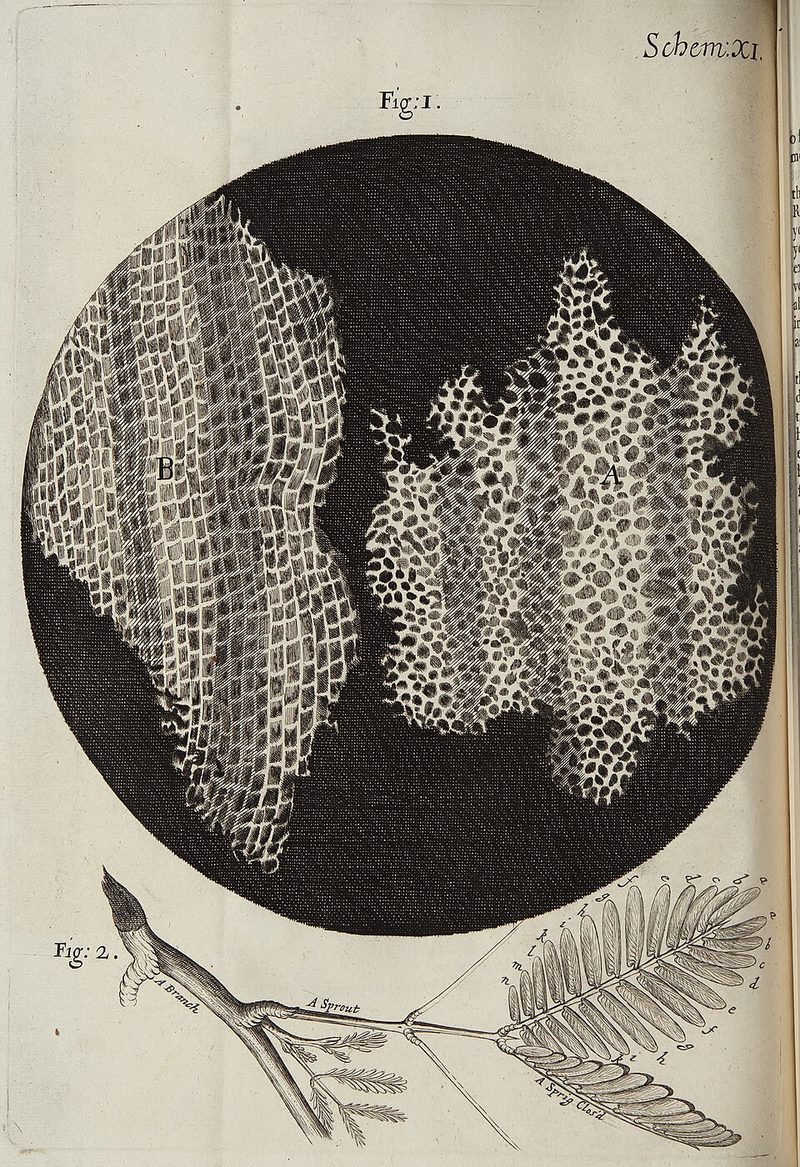
Hooke's Micrographia and the cell (1665)
Hooke first called the tiny boxes he saw in cork cells, the name Schleiden and Schwann made the basic unit of life. Hooke's story shows how he counted more than a million cells in a square inch of cork.
Read this moment
Read next · built on
Hooke's Micrographia and the cell (1665)
Hooke first called the tiny boxes he saw in cork cells, the name Schleiden and Schwann made the basic unit of life. Hooke's story shows how he counted more than a million cells in a square inch of cork.
Read this moment
 Today on The Clinical Times
Love to Dream recalls portable baby sound machine over fire and burn risk
Love to Dream has recalled its portable Sleep Machine because its lithium-ion battery can overheat while charging with an incompatible charger, creating a risk of fire and burns.
Read today’s top stories
Today on The Clinical Times
Love to Dream recalls portable baby sound machine over fire and burn risk
Love to Dream has recalled its portable Sleep Machine because its lithium-ion battery can overheat while charging with an incompatible charger, creating a risk of fire and burns.
Read today’s top stories
All 526 moments in the history of medicine. This one is in chapter 4, Germs, numbers and clean water
Connected moments
How this moment links to others in the history of medicine, and what you will find in each.
-
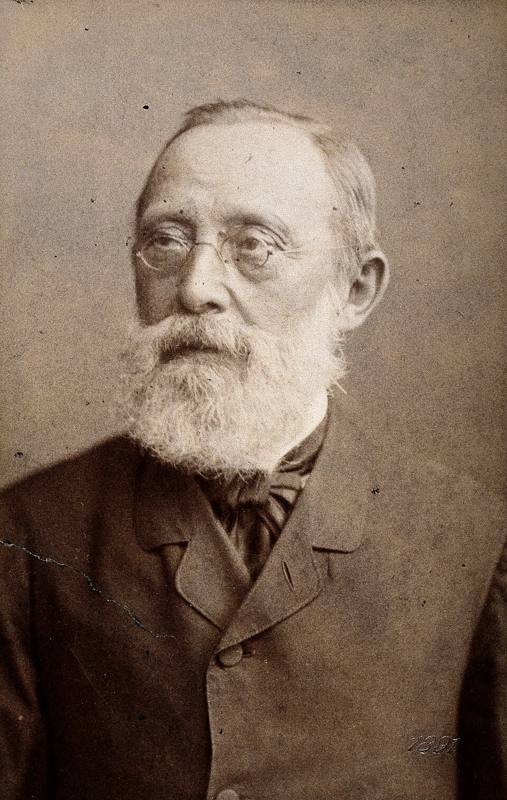 Led to1858Virchow's Cellular PathologyVirchow built on the cell theory, publishing Remak's proof of cell division and arguing that every cell comes from another cell. His story shows disease recast as a disorder of cells.Read this moment
-
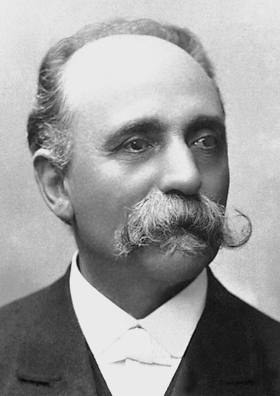 Same disease or problem1906Golgi, Cajal and the neuronThe cell theory made the cell the common unit of living things, and Cajal showed the nervous system too is built of separate cells. Their story shows a silver stain, a Nobel Prize shared by rivals, and the neuron doctrine.Read this moment