Infectious Disease
1900
Reed Yellow Fever Commission
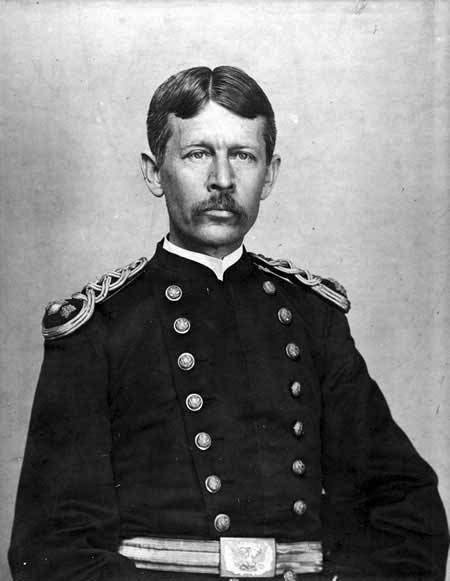
In Cuba in 1900 a US Army commission led by Walter Reed confirmed Carlos Finlay's theory that mosquitoes transmit yellow fever. Mosquito control then cleared the disease from Havana within about a year, and the commission's volunteers signed written contracts.
Key people
- Walter Reed
- US Army physician who led the Yellow Fever Commission
- Carlos Finlay
- Cuban physician whose mosquito theory the commission tested
- Jesse Lazear
- Commission member who died of yellow fever in 1900
- William Gorgas
- Havana sanitary officer who led the 1901 mosquito campaign
Source
Havana averaged 462 deaths from yellow fever a year in the 1890s. Frustrated by its failure to control the disease, the US Army formed a Yellow Fever Commission in Cuba in May 1900, with Walter Reed in charge and James Carroll, Jesse Lazear and Aristides Agramonte as members. At the fringes of the profession, the Cuban physician Carlos Finlay had long argued that mosquitoes spread the disease.
The work turned deadly early. Lazear caught yellow fever on 18 September 1900 and died on 25 September. The commission then ran three kinds of experiment at Camp Lazear, near Havana. Of the volunteers bitten by mosquitoes that had fed on yellow fever patients, four developed the disease. Others were shut in a sealed room with bedding soiled by the excrement and dried blood of patients who had died, and wore their clothes; none caught it. Of four volunteers injected with blood from patients, three developed yellow fever.
None of the infected volunteers died during the study. The results supported Finlay, and the commission reported in 1900 that the mosquito now called Aedes aegypti carries the disease. The volunteers signed written contracts setting out the terms of their part in the study, and Spanish immigrants received copies in Spanish and English. The University of Virginia describes this as the first time in history that all the volunteers in an experiment were given written contracts.
William Gorgas, Havana's chief sanitary officer, had doubted the mosquito theory. After Camp Lazear he led a campaign against mosquitoes in 1901. Twelve yellow fever deaths were recorded in Havana in January and February 1901, and the last death of the US occupation came on 28 September 1901. The commission's letters and contracts are now in the Philip S. Hench Walter Reed Yellow Fever Collection at the University of Virginia.
Keep exploring
 Read next · same disease or problem
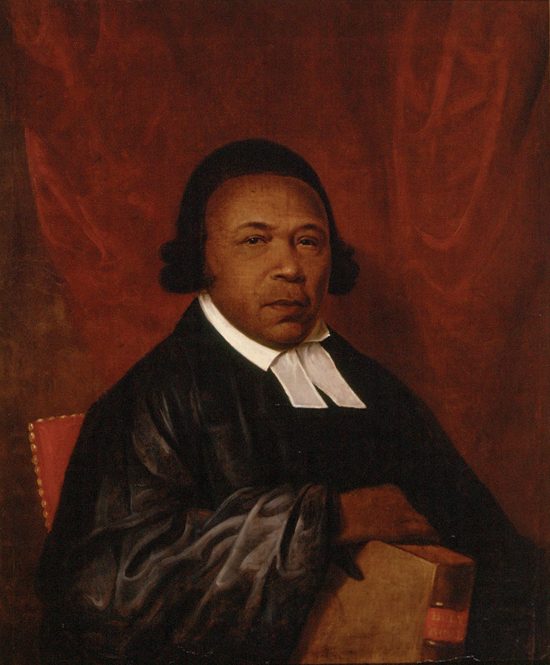
Philadelphia's yellow fever epidemic of 1793
Reed's commission showed that mosquitoes spread yellow fever, the question Philadelphia's physicians fought over in 1793. That story shows more than 5,000 deaths and Black nurses caring for the sick after others fled.
Read this moment
Read next · same disease or problem
Philadelphia's yellow fever epidemic of 1793
Reed's commission showed that mosquitoes spread yellow fever, the question Philadelphia's physicians fought over in 1793. That story shows more than 5,000 deaths and Black nurses caring for the sick after others fled.
Read this moment
 Today on The Clinical Times
Love to Dream recalls portable baby sound machine over fire and burn risk
Love to Dream has recalled its portable Sleep Machine because its lithium-ion battery can overheat while charging with an incompatible charger, creating a risk of fire and burns.
Read today’s top stories
Today on The Clinical Times
Love to Dream recalls portable baby sound machine over fire and burn risk
Love to Dream has recalled its portable Sleep Machine because its lithium-ion battery can overheat while charging with an incompatible charger, creating a risk of fire and burns.
Read today’s top stories
All 526 moments in the history of medicine. This one is in chapter 5, Cures and codes
Connected moments
How this moment links to others in the history of medicine, and what you will find in each.
-
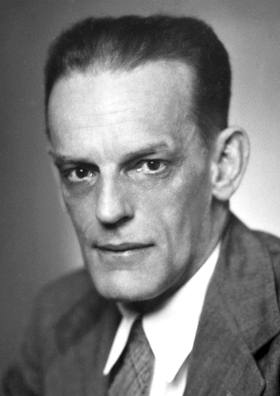 Same disease or problem1937Theiler's 17D yellow fever vaccineReed showed how yellow fever spreads, and Theiler later made a vaccine against it. His story shows the 17D strain, weakened in chick embryo tissue and given to millions.Read this moment
-
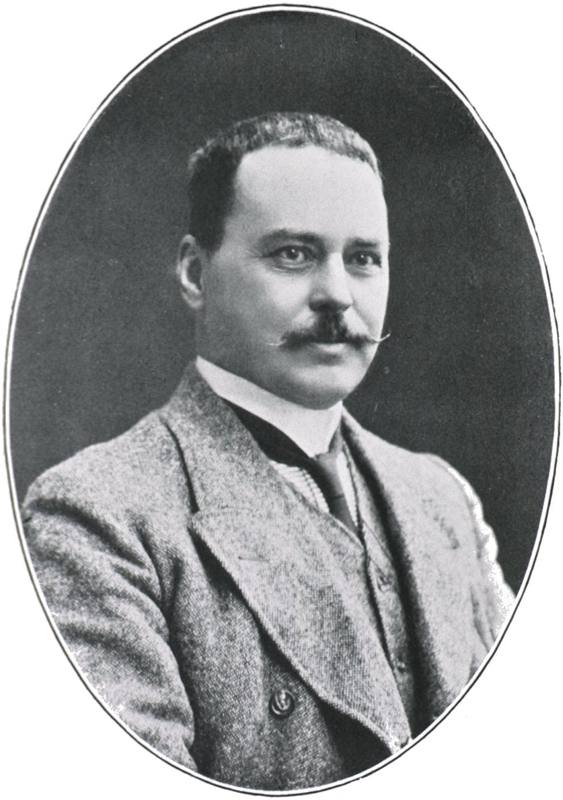 Same disease or problem1897Ross and the mosquito transmission of malariaReed confirmed mosquitoes carry yellow fever three years after Ross showed they carry malaria. Ross's story shows the parasite traced through a mosquito's stomach to its salivary glands.Read this moment
-
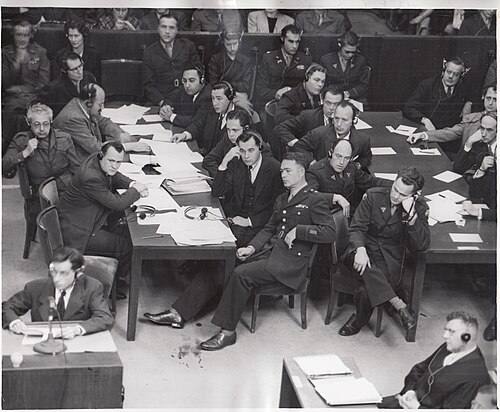 Same disease or problem1947The Nuremberg CodeReed's volunteers were the first in history all given written contracts, and the Nuremberg Code later made voluntary consent the first rule of human research. Its story shows the rules written into the verdict against Nazi doctors.Read this moment