Infectious Disease
1897
Ross and the mosquito transmission of malaria
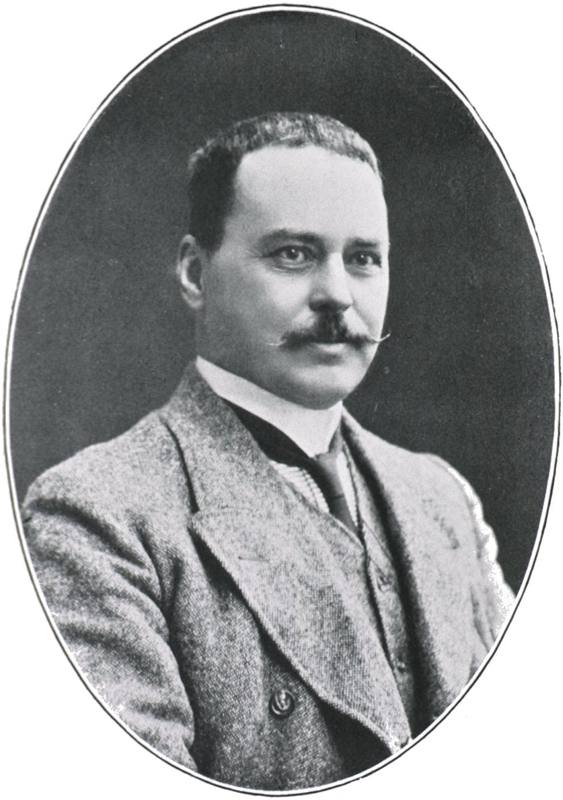
In August 1897 Ronald Ross, an Indian Medical Service surgeon, found malaria parasites developing in the stomach of a mosquito that had fed on an infected patient. In 1898 he traced the full cycle through mosquitoes and birds, showing how malaria passes between hosts.
Key people
- Ronald Ross
- Indian Medical Service surgeon who traced malaria's development in mosquitoes
- Patrick Manson
- London physician who guided Ross's mosquito research by letter
- Giovanni Battista Grassi
- Italian zoologist whose group showed anophelines carry human malaria
Source
By the 1890s the parasite that causes malaria had been found, but no one could explain how it passed from one person to the next. Charles Laveran, Patrick Manson and several Italian malariologists suspected mosquitoes, although Manson at first thought people caught the disease by drinking water contaminated by them. In 1894 Manson, in practice in London and unable to travel to malarious regions, persuaded Ronald Ross, a 37-year-old army surgeon from India, to take up the question.
Ross went back to India and, guided by Manson in a long run of letters, dissected thousands of mosquitoes without success. He knew no entomology and sorted the insects by their look: grey, brindled and dapple-winged. On 20 August 1897, which he called "Mosquito day", he found pigmented bodies on the stomach wall of dapple-winged mosquitoes, now known to be anophelines, that had fed on a malaria patient.
He was then posted to Calcutta, where there was little human malaria, so he took up Manson's earlier suggestion of working with a malaria parasite of birds. Of 242 grey, culicine mosquitoes fed on infected birds, 178 developed the pigmented bodies. Ross followed the parasite from the mosquito's gut to its salivary glands, from which it entered a new host when the insect fed again, and he made the results public in 1898.
That same year Giovanni Battista Grassi and other Italian investigators showed that human malaria was carried by anopheline mosquitoes. Ross joined the Liverpool School of Tropical Medicine in 1899 and in Sierra Leone confirmed that anophelines transmit the human parasites. His partnership with Manson ended in acrimony.
In 1902 Ross received the Nobel Prize in Physiology or Medicine, and he was knighted in 1911.
Keep exploring
 Read next · built on
Laveran's discovery of the malaria parasite (1880)
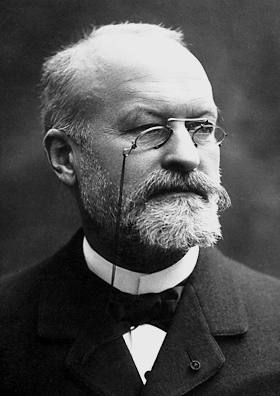
The parasite Ross traced through mosquitoes had been found by Laveran, who suggested mosquitoes carried it. Laveran's story shows the moving filaments he saw in a malaria patient's blood in Algeria.
Read this moment
Read next · built on
Laveran's discovery of the malaria parasite (1880)
The parasite Ross traced through mosquitoes had been found by Laveran, who suggested mosquitoes carried it. Laveran's story shows the moving filaments he saw in a malaria patient's blood in Algeria.
Read this moment
 Today on The Clinical Times
Love to Dream recalls portable baby sound machine over fire and burn risk
Love to Dream has recalled its portable Sleep Machine because its lithium-ion battery can overheat while charging with an incompatible charger, creating a risk of fire and burns.
Read today’s top stories
Today on The Clinical Times
Love to Dream recalls portable baby sound machine over fire and burn risk
Love to Dream has recalled its portable Sleep Machine because its lithium-ion battery can overheat while charging with an incompatible charger, creating a risk of fire and burns.
Read today’s top stories
All 526 moments in the history of medicine. This one is in chapter 4, Germs, numbers and clean water
Connected moments
How this moment links to others in the history of medicine, and what you will find in each.
-
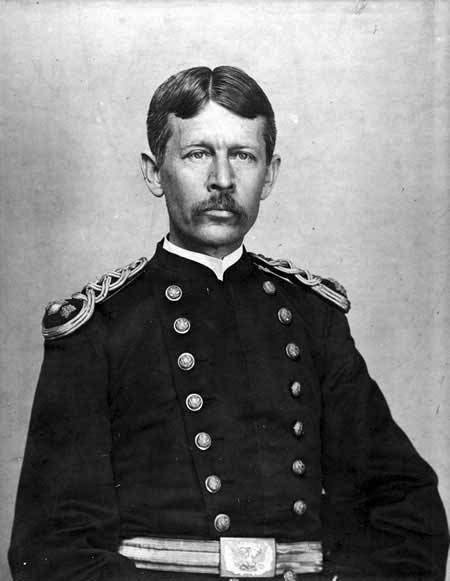 Same disease or problem1900Reed Yellow Fever CommissionRoss showed mosquitoes carry malaria, and three years later Reed's commission confirmed that mosquitoes carry yellow fever. That story shows mosquito control clearing yellow fever from Havana within a year.Read this moment
-
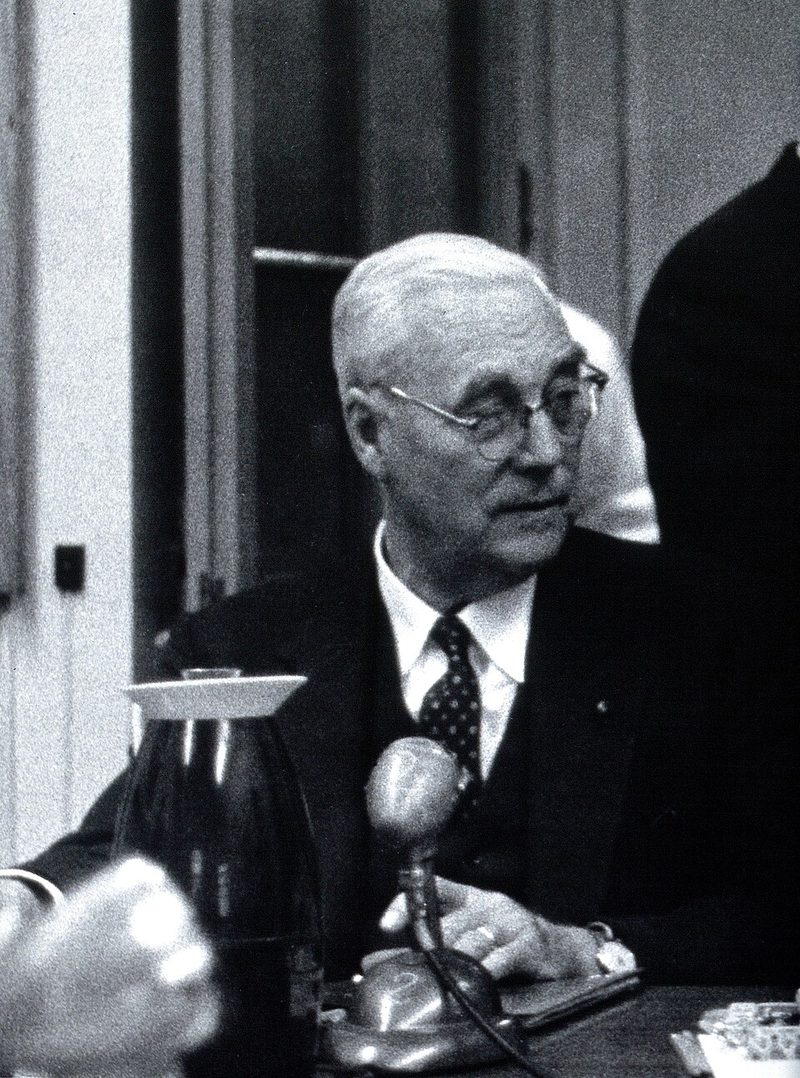 Same disease or problem1955The Global Malaria Eradication ProgrammeRoss showed that mosquitoes spread malaria, and in 1955 WHO set out to end its transmission by spraying homes with DDT. That story shows early successes giving way to insecticide resistance.Read this moment