Neurology & Psychiatry
1900
Freud's Interpretation of Dreams
Sigmund Freud argued that dreams are disguised wish fulfilments whose meaning analysis can recover, and made dream interpretation central to psychoanalysis. Popper judged its theories untestable; trials of later psychodynamic therapies have found modest to large benefits.
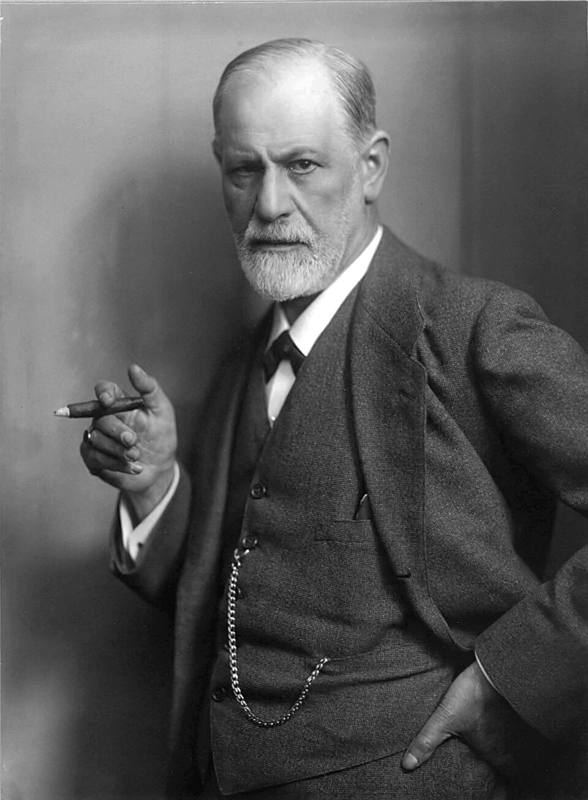
Key people
- Sigmund Freud
- Viennese neurologist; author of The Interpretation of Dreams
- Josef Breuer
- Viennese physician; co-author of Studies on Hysteria (1895)
- Karl Popper
- Philosopher who argued psychoanalytic theories could not be refuted
Source
Freud S. Die Traumdeutung. Leipzig and Vienna: Franz Deuticke, 1900. (opens in a new tab)
In the winter of 1885 to 1886 Sigmund Freud, a young Viennese neurologist, spent 19 weeks at the Salpêtrière in Paris watching Jean-Martin Charcot link hysterical symptoms, such as a paralysed limb, to hypnotic suggestion. Back in Vienna he worked with the physician Josef Breuer. Breuer's patient Bertha Pappenheim, known in print as Anna O., had seemed to gain relief by talking about the first appearance of each symptom, although later scholarship has doubted that the relief lasted. The two men published a preliminary report in 1893 and Studies on Hysteria in 1895.
Freud's next claim concerned ordinary sleep. On the night of 23 to 24 July 1895 he dreamt about a patient he called Irma, whose treatment had been broken off with her only partly better, and wrote the dream down on waking. From it and many other dreams he argued that a dream is the fulfilment of a wish, disguised to get past an inner censorship, and that analysis could recover its meaning. Die Traumdeutung came out from Franz Deuticke in Leipzig and Vienna with 1900 on its title page. Freud later wrote that the book had been part of his self-analysis, a reaction to the death of his father.
It was slow to find readers. Nine years passed before a second edition, in whose preface Freud complained that his colleagues in psychiatry had made no effort to get past their first surprise. A third edition followed little more than a year later, and an English translation in 1913. By then Jung, Abraham, Stekel, Rank and other physicians using his method were publishing dream interpretations of their own. Freud called the interpretation of dreams the royal road to the unconscious.
The philosopher Karl Popper, who had worked briefly in one of Alfred Adler's clinics in Vienna, argued that psychoanalytic theories could accommodate any behaviour and therefore could not be tested or refuted. Short-term psychodynamic therapies have been developed and tested since the mid-1970s. A 2014 Cochrane review of 33 trials, with 2,173 adults, found that short-term psychodynamic psychotherapy for common mental disorders produced modest to large gains, but warned that the data were limited and varied enough to need caution.
In 1938, as hostility toward Jews grew in Vienna, Freud and his family fled to England. He died in London on 23 September 1939.
Keep exploring
 Read next · same person
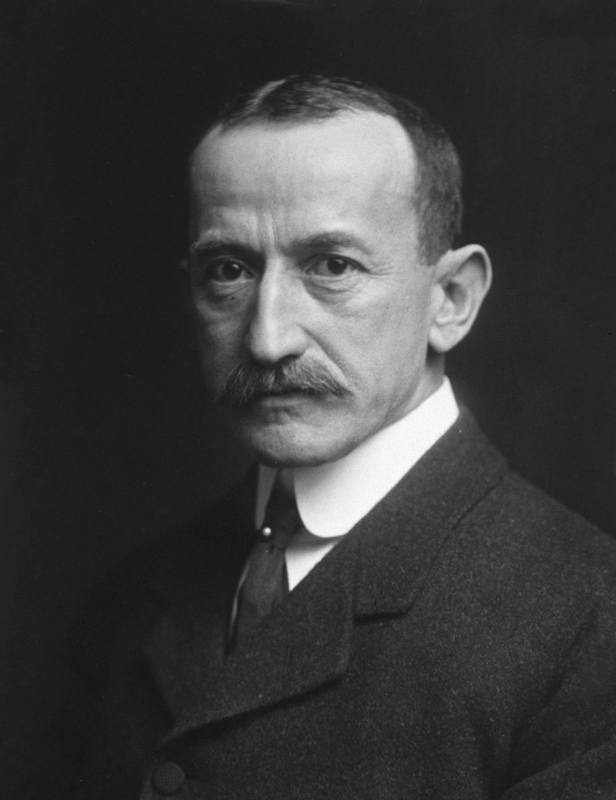
Koller's cocaine local anesthesia (1884)
Freud tried cocaine with Carl Koller and wrote a survey of the drug that mentioned its numbing effect only at the end. Koller's story shows how his friend turned that hint into local anesthesia for eye surgery.
Read this moment
Read next · same person
Koller's cocaine local anesthesia (1884)
Freud tried cocaine with Carl Koller and wrote a survey of the drug that mentioned its numbing effect only at the end. Koller's story shows how his friend turned that hint into local anesthesia for eye surgery.
Read this moment
 Today on The Clinical Times
Love to Dream recalls portable baby sound machine over fire and burn risk
Love to Dream has recalled its portable Sleep Machine because its lithium-ion battery can overheat while charging with an incompatible charger, creating a risk of fire and burns.
Read today’s top stories
Today on The Clinical Times
Love to Dream recalls portable baby sound machine over fire and burn risk
Love to Dream has recalled its portable Sleep Machine because its lithium-ion battery can overheat while charging with an incompatible charger, creating a risk of fire and burns.
Read today’s top stories
All 526 moments in the history of medicine. This one is in chapter 5, Cures and codes
Connected moments
How this moment links to others in the history of medicine, and what you will find in each.
-
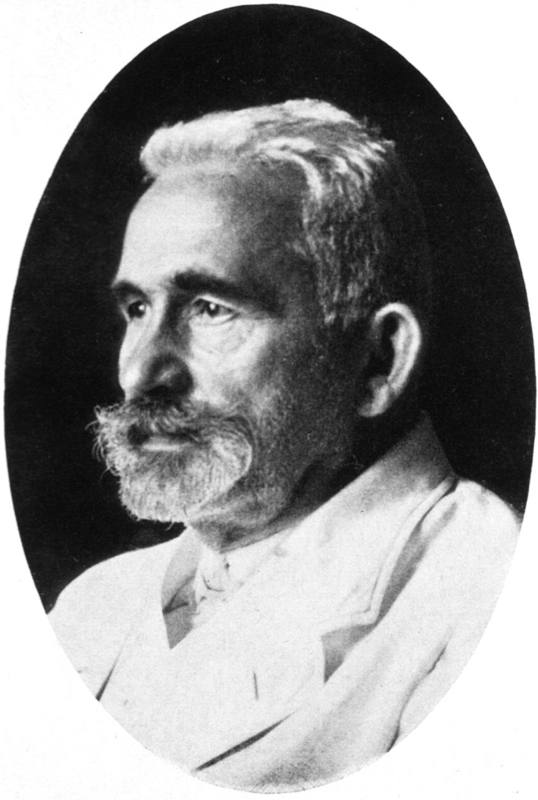 Same disease or problem1899Kraepelin's classification of mental illnessFreud sought hidden meanings in dreams and symptoms, while Kraepelin a year earlier sorted mental illness by its course and outcome. Kraepelin's story shows the split between schizophrenia and manic depression that still shapes diagnosis.Read this moment
-
 Same disease or problem1908Clifford Beers and the mental hygiene movementBoth reshaped how the public thought about mental illness in the first decade of the century, Freud through psychoanalysis and Beers through a patient's own account. Beers's story shows the book that launched the mental hygiene movement.Read this moment