Infectious Disease
1935
Prontosil and the Sulfonamide Drugs
Gerhard Domagk's 1935 report on the red dye Prontosil introduced the sulfonamides. Prontosil was the first sulfonamide drug, and the sulfa drugs that followed gave doctors their first effective therapies for many bacterial diseases.
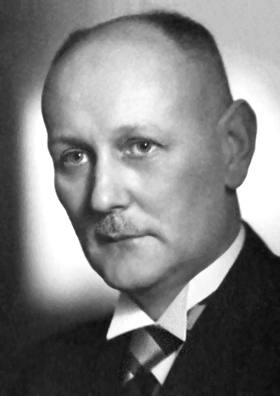
Key people
- Gerhard Domagk
- IG Farben pathologist who tested Prontosil; 1939 Nobel laureate
- Fritz Mietzsch
- IG Farben chemist who made the compounds Domagk tested
- Josef Klarer
- IG Farben chemist who made the compounds Domagk tested
Source
In the 1920s and 1930s a scratch could kill. Streptococcal and staphylococcal infections were major killers in Europe and the United States, along with pneumococcal disease and tuberculosis, and pneumonia and tuberculosis took even young adults.
Gerhard Domagk, a pathologist, was recruited from the University of Münster in 1927 by the pharmaceutical division of IG Farbenindustrie, the new German chemical conglomerate. He set up a pharmacology laboratory and worked with two chemists, Fritz Mietzsch and Josef Klarer, testing compounds related to synthetic dyes. Domagk insisted on testing them in living animals and kept working with compounds that failed against bacteria in glassware. In 1931 the chemists produced an azo dye carrying a sulfonamide group, KL 695, which did nothing in the test tube but was weakly active in mice infected with streptococci. Some 35 compounds later they made KL 730, which had strong antibacterial effects in infected mice. It was named prontosil rubrum and patented as Prontosil.
Domagk spent three years on the drug before publishing his first report in 1935. By then Prontosil had been used in patients with streptococcal and staphylococcal infections. One of them was his six-year-old daughter, Hildegard, who developed a severe streptococcal infection from an unsterilized needle. She recovered, though the drug left her skin permanently reddened.
Prontosil was the first of the sulfa drugs, all related to the compound sulfanilamide. The 1939 Nobel Prize in Physiology or Medicine went to Domagk for the discovery of its antibacterial effects. German law under Hitler forbade citizens to accept the prize, and after Domagk accepted it the Gestapo arrested him and made him send a letter declining it. He received the medal in 1947, by which time the prize money had been redistributed.
Keep exploring
 Read next · led to
Federal Food, Drug, and Cosmetic Act of 1938
A liquid sulfa drug made with a poisonous solvent killed more than 100 people in 1937, and Congress then required drugs to be proven safe. The 1938 story shows the law that came from that disaster.
Read this moment
Read next · led to
Federal Food, Drug, and Cosmetic Act of 1938
A liquid sulfa drug made with a poisonous solvent killed more than 100 people in 1937, and Congress then required drugs to be proven safe. The 1938 story shows the law that came from that disaster.
Read this moment
 Today on The Clinical Times
Love to Dream recalls portable baby sound machine over fire and burn risk
Love to Dream has recalled its portable Sleep Machine because its lithium-ion battery can overheat while charging with an incompatible charger, creating a risk of fire and burns.
Read today’s top stories
Today on The Clinical Times
Love to Dream recalls portable baby sound machine over fire and burn risk
Love to Dream has recalled its portable Sleep Machine because its lithium-ion battery can overheat while charging with an incompatible charger, creating a risk of fire and burns.
Read today’s top stories
All 526 moments in the history of medicine. This one is in chapter 5, Cures and codes
Connected moments
How this moment links to others in the history of medicine, and what you will find in each.
-
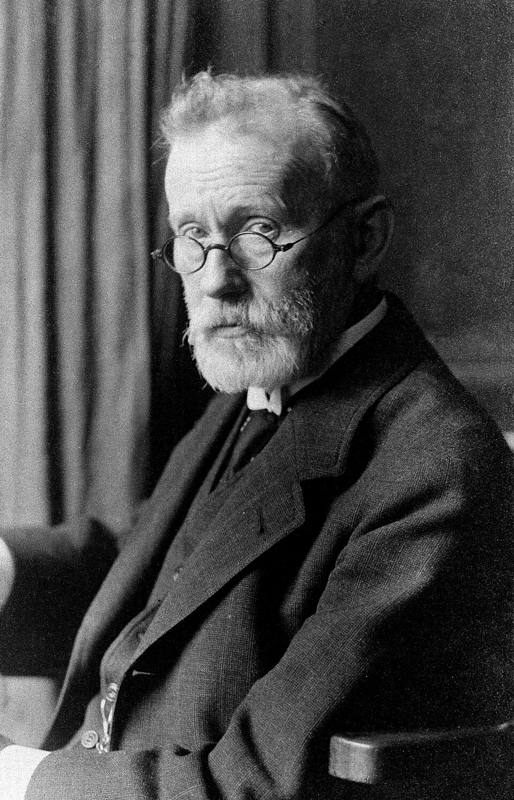 Same disease or problem1910Ehrlich's Salvarsan for SyphilisBoth were synthetic chemicals made to kill microbes inside the body, Prontosil against streptococci and Salvarsan against syphilis. Ehrlich's story shows the first magic bullet and the word chemotherapy.Read this moment
-
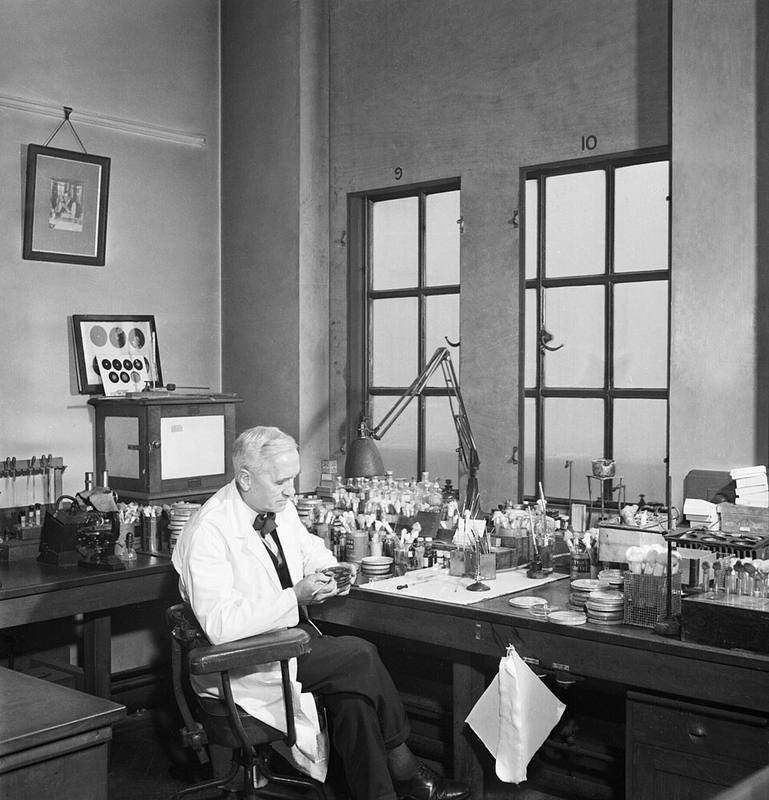 Same disease or problem1928Fleming's discovery of penicillinProntosil became the first effective drug against many bacterial infections while penicillin still sat unused. Fleming's story shows how Florey and Chain later purified it.Read this moment