Neurology & Psychiatry
1935
The founding of Alcoholics Anonymous
Alcoholics Anonymous dates its founding to 10 June 1935 in Akron, Ohio, when the surgeon Robert Smith had his last drink after meeting Bill Wilson. Their mutual-help fellowship, set out in the 1939 book Alcoholics Anonymous, now estimates nearly two million members.
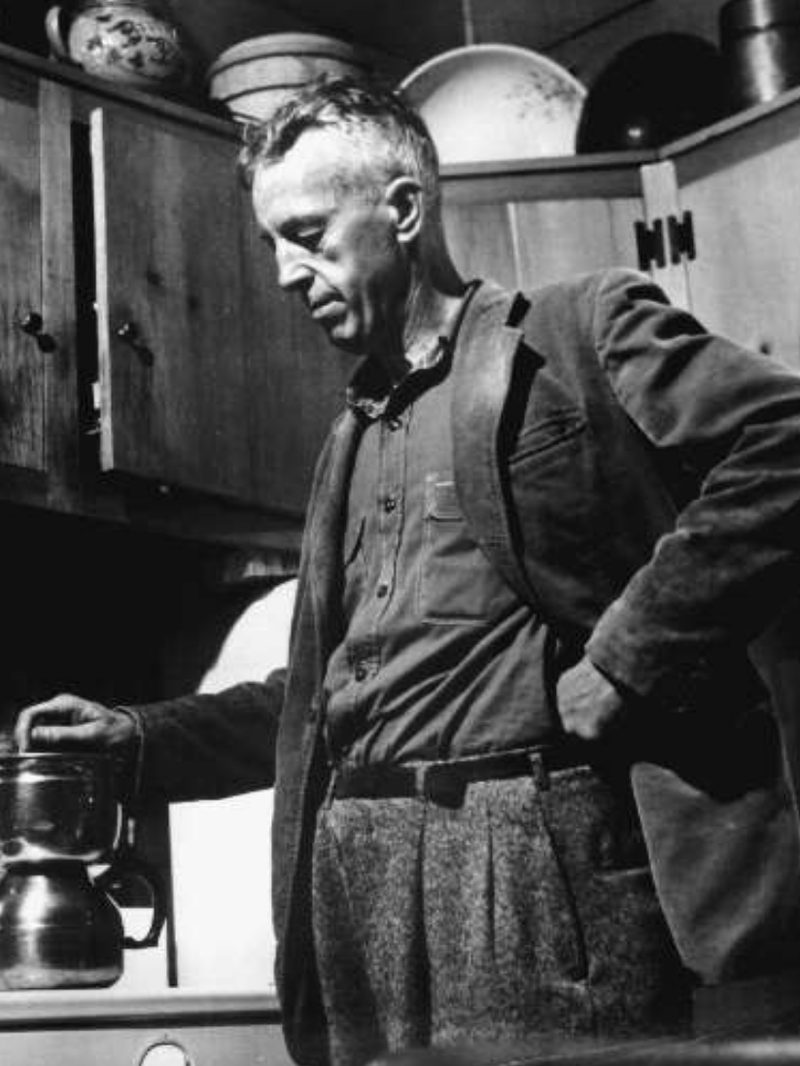
Key people
- Bill Wilson
- New York stockbroker and co-founder; wrote the book Alcoholics Anonymous
- Robert Smith
- Akron surgeon and co-founder; last drink on 10 June 1935
- William Silkworth
- Towns Hospital physician who treated alcoholism as a disease
Source
Alcoholics Anonymous (the 'Big Book'). First printed April 1939. (opens in a new tab)
Bill Wilson, a New York stockbroker, took his last drink in December 1934 during his fourth stay at Towns Hospital in New York. His physician there, William Silkworth, regarded alcoholism as a disease, not a moral failing. An old drinking friend, Ebby Thatcher, had brought Wilson into the Oxford Group, a religious movement that practiced self-inventory, amends and prayer, and in hospital Wilson had what he called a spiritual experience. He came to believe he could stay sober by helping other alcoholics, but for six months none of those he tried to help stayed sober.
In May 1935 a failed business trip left Wilson pacing the lobby of the Mayflower Hotel in Akron, Ohio, tempted to drink. He looked instead for another alcoholic to talk to. Henrietta Seiberling, an Oxford Group member, introduced him on Mother's Day, 12 May, to Robert Smith, an Akron surgeon who was still drinking despite the Oxford Group. Smith relapsed once more. His last drink, a bottle of beer on the morning of 10 June 1935, is celebrated as the founding date of Alcoholics Anonymous.
The two men went to work with alcoholics at Akron's City Hospital, and one patient quickly got sober, the nucleus of the first group. A second group formed in New York that autumn and a third in Cleveland in 1939; it took four years to reach about 100 sober members. In April 1939 some 5,000 copies of the book Alcoholics Anonymous came off the press. Written by Wilson and reviewed by early members, it set out the Twelve Steps with the stories of 30 recovered members, and the fellowship took its name from it.
Newspaper and magazine articles, above all Jack Alexander's piece in the Saturday Evening Post on 1 March 1941, brought floods of letters, and by 1950 AA counted 100,000 recovered alcoholics worldwide. That year it adopted Wilson's Twelve Traditions, under which each group has no leaders, only volunteers. Smith died on 16 November 1950 and Wilson on 24 January 1971.
AA now estimates nearly two million members in more than 120,000 groups in 160 countries. A 2020 Cochrane review covered 27 studies with 10,565 participants. In two randomized trials with 1,936 participants, structured programs linking patients to AA produced more continuous abstinence at 12 months than therapies such as cognitive behavioral therapy (risk ratio 1.21, high-certainty evidence).
Keep exploring
 Read next · same disease or problem
Methadone maintenance treatment for heroin addiction (Dole and Nyswander) (1965)
AA's founders drew on a physician who saw alcoholism as a disease, and methadone treated heroin addiction as a chronic medical condition. The methadone story shows maintenance on a daily medicine replacing detoxification alone.
Read this moment
Read next · same disease or problem
Methadone maintenance treatment for heroin addiction (Dole and Nyswander) (1965)
AA's founders drew on a physician who saw alcoholism as a disease, and methadone treated heroin addiction as a chronic medical condition. The methadone story shows maintenance on a daily medicine replacing detoxification alone.
Read this moment
 Today on The Clinical Times
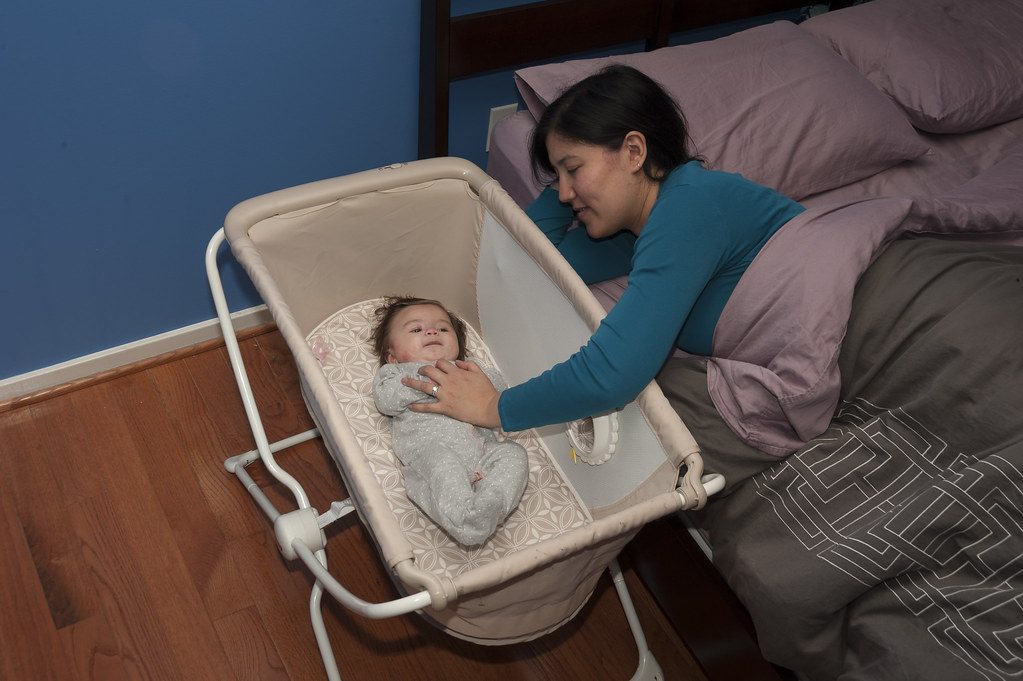
Love to Dream recalls portable baby sound machine over fire and burn risk
Love to Dream has recalled its portable Sleep Machine because its lithium-ion battery can overheat while charging with an incompatible charger, creating a risk of fire and burns.
Read today’s top stories
Today on The Clinical Times
Love to Dream recalls portable baby sound machine over fire and burn risk
Love to Dream has recalled its portable Sleep Machine because its lithium-ion battery can overheat while charging with an incompatible charger, creating a risk of fire and burns.
Read today’s top stories
All 526 moments in the history of medicine. This one is in chapter 5, Cures and codes
Connected moments
How this moment links to others in the history of medicine, and what you will find in each.
-
 Same disease or problem2008The Mental Health Parity and Addiction Equity ActAA's founders held that alcoholism was a disease, not a moral failing, and the 2008 law made insurers treat addiction care like other care. Its story shows limits on substance use benefits barred.Read this moment
-
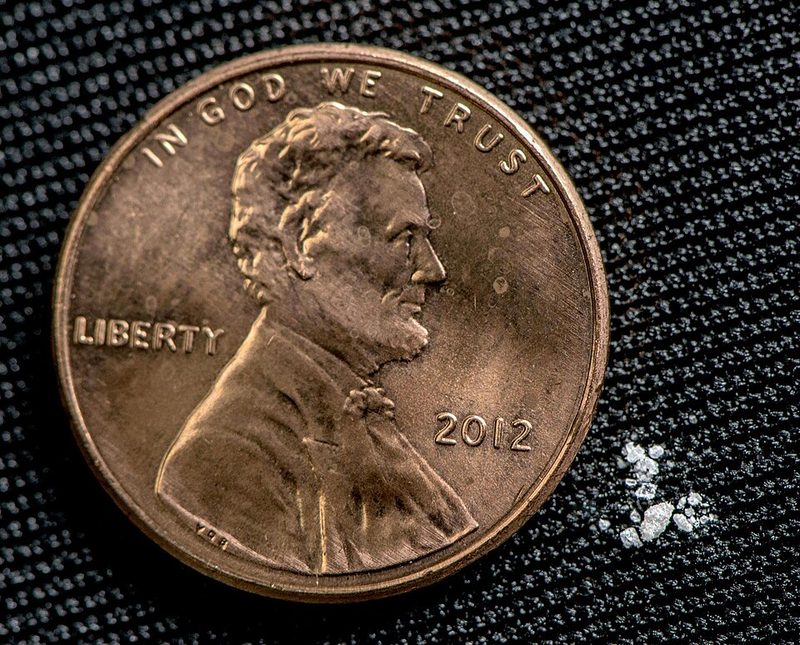 Same disease or problem2021US opioid overdose epidemic and the fentanyl waveAA grew from two men trying to stay alive through addiction, and addiction to opioids killed more than 100,000 Americans in 2021. That story shows overdose deaths rising almost fivefold in twenty years.Read this moment