Neurology & Psychiatry
1935
Moniz, Freeman and the lobotomy
In November 1935 Egas Moniz and Almeida Lima in Portugal began destroying white matter in the frontal lobes for mental illness. Walter Freeman spread the operation in the United States, where more than 5,000 were done in 1949, before criticism and new drugs curtailed it.
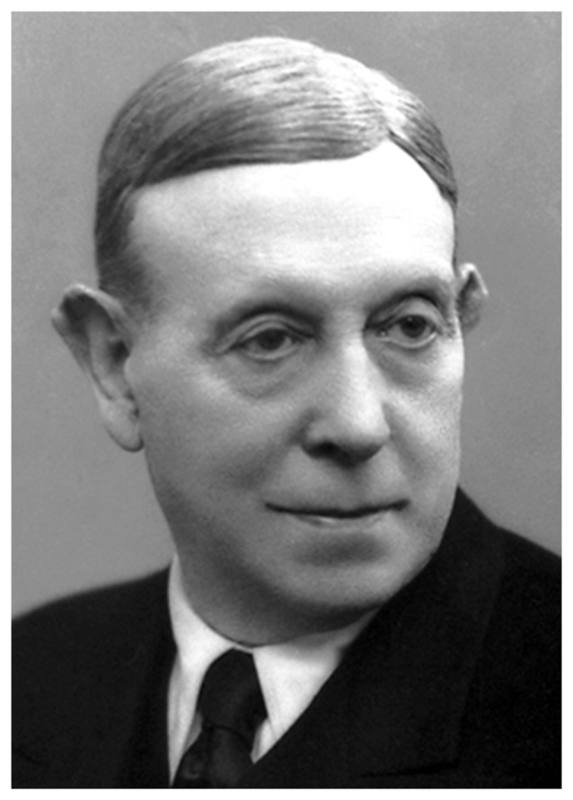
Key people
- Egas Moniz
- Lisbon neurologist who introduced prefrontal leucotomy; 1949 Nobel Prize
- Almeida Lima
- Neurosurgeon who worked with Moniz on the first leucotomies
- Walter Freeman
- American neurologist who promoted lobotomy and devised the transorbital method
- James W. Watts
- Neurosurgeon who operated with Freeman until 1947
Source
At the International Neurological Congress in London in 1935, John Fulton of Yale and his colleague Jacobsen described two chimpanzees that, after frontal lobe surgery, made mistakes in tests without becoming aggressive. Egas Moniz, professor of neurology in Lisbon, a former foreign minister and the inventor of cerebral angiography, was a delegate. He went home convinced that mental illness driven by emotional tension might be relieved by cutting the connections of the frontal lobes.
In November 1935 Moniz and the neurosurgeon Almeida Lima began operating. They first injected alcohol into the white matter of the frontal lobes; Moniz then designed the leucotome, an instrument with a retractable wire loop, to cut cores of that white matter. He reported that his first 20 patients all survived without serious complications. In a second series of 18 patients, all with schizophrenia, 3 were judged almost cured and 2 much better, and he called the operation simple and always safe.
Walter Freeman, a neurologist at George Washington University, and the neurosurgeon James Watts performed the first American operation in September 1936, on Alice Hood Hammatt, a woman with agitated depression who had tried to withdraw her consent the night before. By 1942 they had operated on more than 200 patients and reported 63 percent improved, 24 percent unchanged and 14 percent worse. Rosemary Kennedy, operated on in 1941 at 23, could no longer walk or talk afterward and needed care for the rest of her life.
In 1946 Freeman introduced transorbital lobotomy, driving a thin instrument with a hammer through the bone above the eye socket, and said it needed neither general anesthetic nor a surgeon. Watts objected and ended their partnership in 1947. Moniz received the 1949 Nobel Prize in Physiology or Medicine after Freeman nominated him, and that year more than 5,000 lobotomies were done in the United States. Norway carried out about 3,000 between 1940 and 1960. Freeman performed 3,439 himself, the last in 1967. Many patients became apathetic and passive, losing initiative and emotional response.
The Soviet Union banned lobotomy in 1950 as inhumane. After chlorpromazine arrived in 1952 the operation declined, and from about 1960 only much more limited cuts were used, for severe anxiety and compulsive disorders that resisted other treatment.
Keep exploring
 Read next · same disease or problem
Chlorpromazine in psychosis (Delay & Deniker) (1952)
Lobotomy was curtailed after chlorpromazine arrived, a drug that eased psychosis without surgery. Its story shows agitation and delusions easing without heavy sedation.
Read this moment
Read next · same disease or problem
Chlorpromazine in psychosis (Delay & Deniker) (1952)
Lobotomy was curtailed after chlorpromazine arrived, a drug that eased psychosis without surgery. Its story shows agitation and delusions easing without heavy sedation.
Read this moment
 Today on The Clinical Times
Love to Dream recalls portable baby sound machine over fire and burn risk
Love to Dream has recalled its portable Sleep Machine because its lithium-ion battery can overheat while charging with an incompatible charger, creating a risk of fire and burns.
Read today’s top stories
Today on The Clinical Times
Love to Dream recalls portable baby sound machine over fire and burn risk
Love to Dream has recalled its portable Sleep Machine because its lithium-ion battery can overheat while charging with an incompatible charger, creating a risk of fire and burns.
Read today’s top stories
All 526 moments in the history of medicine. This one is in chapter 5, Cures and codes
Connected moments
How this moment links to others in the history of medicine, and what you will find in each.
-
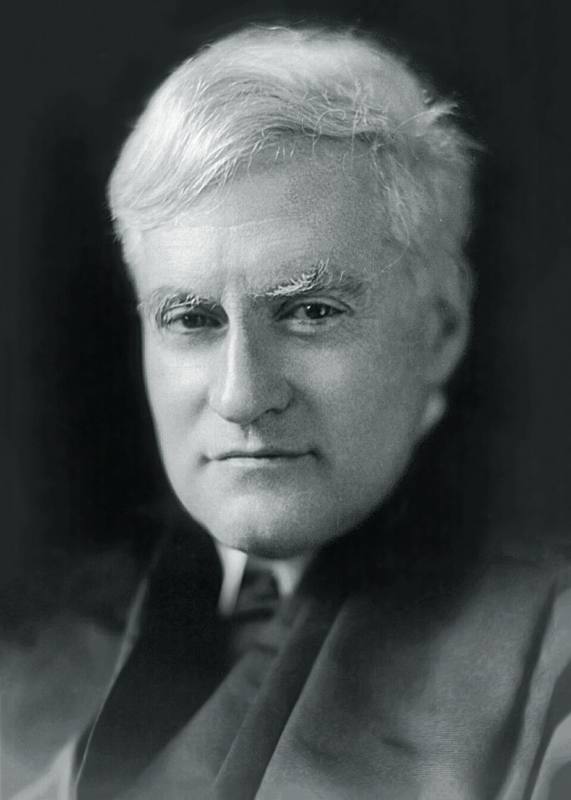 Same disease or problem1914Schloendorff v. Society of New York HospitalThe first American lobotomy patient had tried to withdraw her consent the night before, and Schloendorff held that surgery without consent is an assault. That story shows Cardozo's statement of every adult's right to decide.Read this moment
-
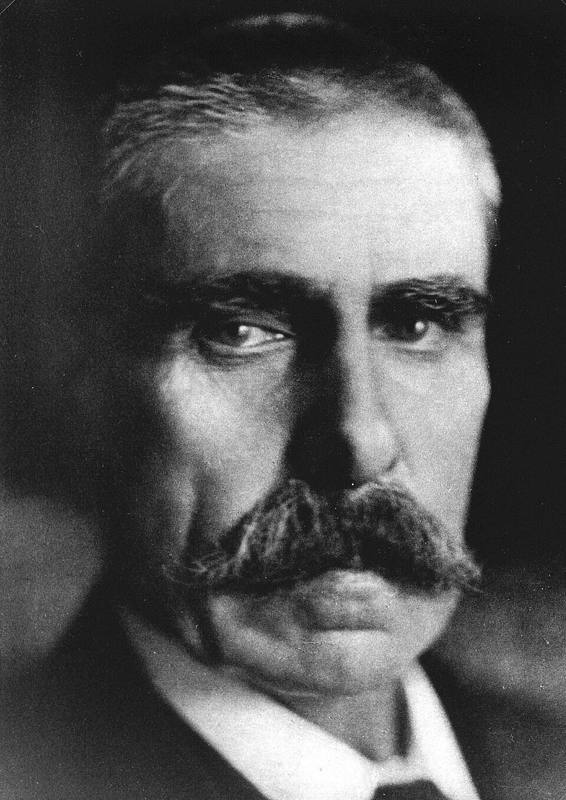 Same disease or problem1917Wagner-Jauregg's malaria therapy for neurosyphilisBoth drastic treatments for mental illness won a Nobel Prize, malaria fever in 1927 and lobotomy in 1949. Wagner-Jauregg's story shows patients infected with malaria who never consented.Read this moment