Neurology & Psychiatry
1917
Wagner-Jauregg's malaria therapy for neurosyphilis
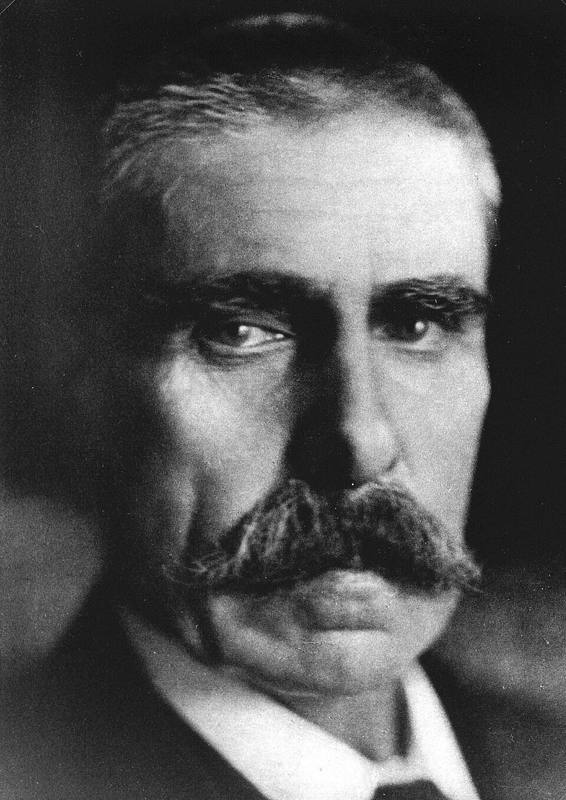
In 1917 the Vienna psychiatrist Julius Wagner-Jauregg deliberately gave malaria to nine patients with general paralysis, a fatal late form of syphilis. Fever therapy with malaria became the standard treatment until penicillin and won him the 1927 Nobel Prize.
Key people
- Julius Wagner-Jauregg
- Vienna psychiatrist; introduced malaria inoculation; Nobel laureate 1927
- Alfred Fuchs
- Colleague who referred the soldier with tertian malaria in 1917
- Watson Eldridge
- Gave the first U.S. malaria inoculation, St. Elizabeths Hospital, 1922
Source
General paralysis of the insane, the late stage of syphilis in the brain, brought paralysis together with dementia or psychosis, and it usually killed within a few years. It accounted for roughly 5 to 10 percent of psychiatric admissions before 1945. Salvarsan and mercury did little for it. The 1927 Nobel presentation speech put full remissions, spontaneous or treated, at about 1 percent.
Julius Wagner-Jauregg, a Vienna psychiatrist, had been thinking about fever since 1883, when he saw a woman with severe psychosis recover after erysipelas. He published on febrile illness and psychoses in 1887. He tried erysipelas once, with an unfortunate result. Koch's tuberculin, which caused fever, looked better. He began giving it in 1890, stopped for some years after reports of deaths from the drug, and in 1900 and 1901 compared 69 paretic patients given tuberculin with 69 untreated ones. More of the treated patients went into remission.
In 1917 a colleague, Alfred Fuchs, asked him whether a soldier with tertian malaria should get quinine. Wagner-Jauregg took the soldier's blood and injected it into nine patients with general paralysis. After 7 to 12 days of fever they were given quinine and the arsenical Neosalvarsan. In his Nobel lecture Wagner-Jauregg said six of the nine had an extensive remission and three stayed well. A 2013 history by Cynthia Tsay gives a harsher count: one death, two sent to asylums, and four relapses among the six who improved. By late 1921 he reported more than 200 patients treated, 50 of them well enough to go back to work.
Others copied the method quickly. Watson Eldridge gave the first malaria inoculation in the United States in 1922 at St. Elizabeths Hospital in Washington. American and British psychiatrists let infected Anopheles mosquitoes bite their patients, which Wagner-Jauregg opposed in case the insects escaped. A review of 35 studies by 1926 found full remission in 27.5 percent, partial remission in 26.5 percent, and death or no change in 46 percent. Tsay writes that one Swedish professor on the Nobel committee, B. Gadelius, called Wagner-Jauregg a criminal for injecting malaria, and that the prize waited until Gadelius retired.
The patients had not consented to being infected. Penicillin, which John Mahoney reported in 1943 as a treatment for early syphilis, made malaria therapy obsolete. After the Anschluss, Wagner-Jauregg, who wrote on heredity and eugenics late in life, applied twice to join the Nazi Party. He died on 27 September 1940.
Keep exploring
 Read next · built on
Koch's Discovery of the Tubercle Bacillus (1882)
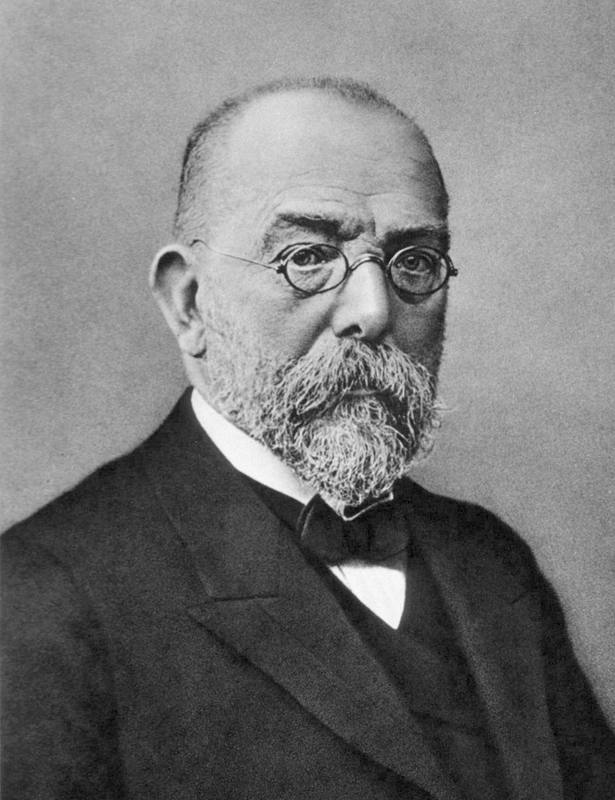
Before malaria, Wagner-Jauregg induced fever with Koch's tuberculin. Koch's story shows the discovery of the tubercle bacillus and his later, disappointing tuberculin remedy.
Read this moment
Read next · built on
Koch's Discovery of the Tubercle Bacillus (1882)
Before malaria, Wagner-Jauregg induced fever with Koch's tuberculin. Koch's story shows the discovery of the tubercle bacillus and his later, disappointing tuberculin remedy.
Read this moment
 Today on The Clinical Times
Love to Dream recalls portable baby sound machine over fire and burn risk
Love to Dream has recalled its portable Sleep Machine because its lithium-ion battery can overheat while charging with an incompatible charger, creating a risk of fire and burns.
Read today’s top stories
Today on The Clinical Times
Love to Dream recalls portable baby sound machine over fire and burn risk
Love to Dream has recalled its portable Sleep Machine because its lithium-ion battery can overheat while charging with an incompatible charger, creating a risk of fire and burns.
Read today’s top stories
All 526 moments in the history of medicine. This one is in chapter 5, Cures and codes
Connected moments
How this moment links to others in the history of medicine, and what you will find in each.
-
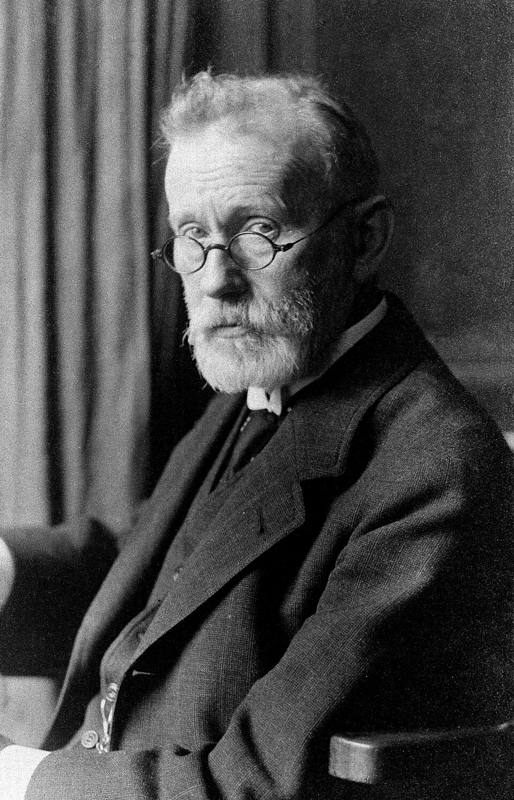 Same disease or problem1910Ehrlich's Salvarsan for SyphilisSalvarsan did little for syphilis of the brain, which is why Wagner-Jauregg turned to fever. Ehrlich's story shows the first magic bullet, made to attack the syphilis spirochete.Read this moment
-
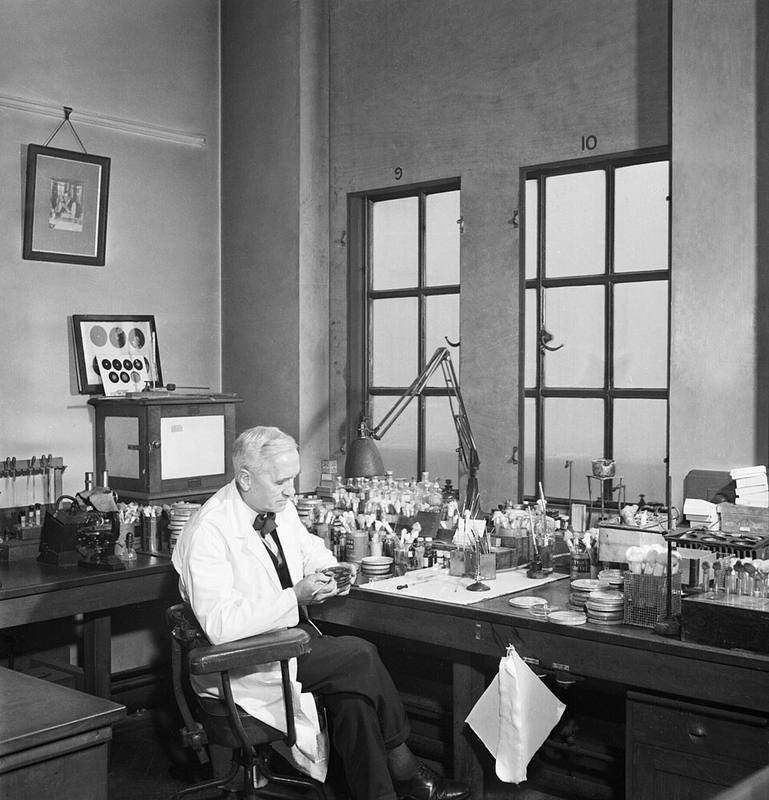 Same disease or problem1928Fleming's discovery of penicillinPenicillin, reported as a treatment for syphilis in 1943, made malaria therapy obsolete. Fleming's story shows the mould on a plate that led to it.Read this moment
-
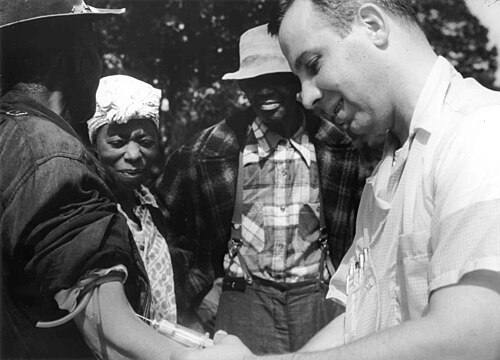 Same disease or problem1972Tuskegee Syphilis Study ExposedWagner-Jauregg's patients never consented to being infected with malaria, and the Tuskegee men were never told treatment was withheld. The Tuskegee story shows how a 1972 news report ended a forty year study of syphilis.Read this moment