Epidemiology
1918
The 1918 Influenza Pandemic
Between 1918 and 1919 an H1N1 influenza virus infected about a third of the world's population. Estimates of the dead run from 20 million to 100 million, and the deaths fell unusually hard on healthy young adults.
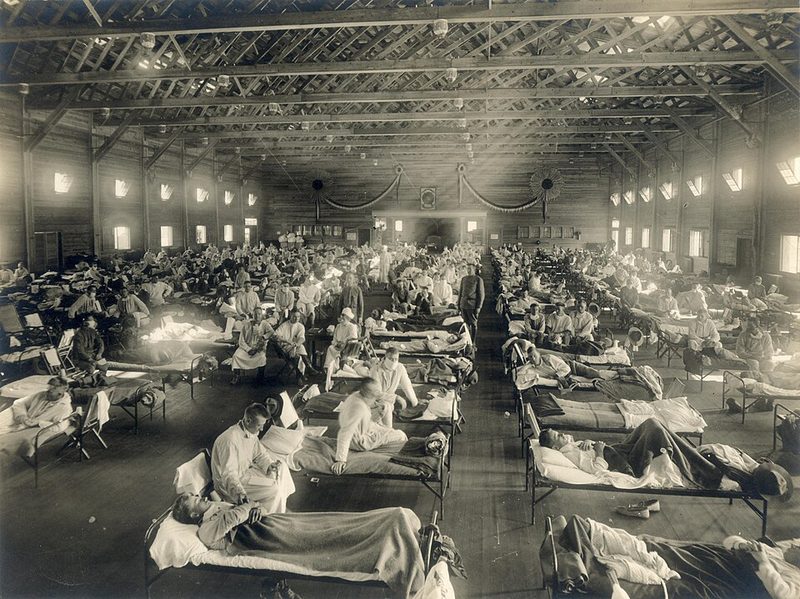
The pandemic came in three waves. A first wave in the spring of 1918 was followed in quick succession by far deadlier waves in the autumn of 1918 and the winter of 1918 to 1919. By the end, about 500 million people, roughly a third of the world's population, had been infected and had fallen visibly ill. That figure appears both in the CDC's account and in a 2006 review by Taubenberger and Morens in the CDC journal Emerging Infectious Diseases.
How many died is less certain. A 1999 CDC report on the century's public health gave 20 million deaths worldwide in less than a year, 500,000 of them in the United States. The CDC's current account puts the toll at no fewer than 50 million, with about 675,000 American deaths. Taubenberger and Morens put the total at about 50 million, and arguably as high as 100 million.
The pattern of death was strange. Death rates were high among children under five and adults over 65, as in ordinary influenza, but a third peak appeared among adults aged 20 to 40, turning the usual curve into a W. The CDC describes the high mortality among healthy people in that age group as a unique feature of the pandemic. More than 2.5 percent of those who fell ill died, against less than 0.1 percent in other influenza pandemics.
Medicine had little to offer. There was no influenza vaccine and no antibiotic for the bacterial infections that often followed, so health authorities fell back on isolation, quarantine, personal hygiene, disinfectants and limits on public gatherings.
The virus was studied only decades later. It was an H1N1 strain with genes of avian origin, and its source is still unknown. In 1995 a team began recovering fragments of viral RNA from autopsy tissue preserved in the autumn of 1918; by the time of the 2006 review, the complete genome of one 1918 virus had been sequenced, along with partial sequences from four others.
Keep exploring
 Read next · same disease or problem
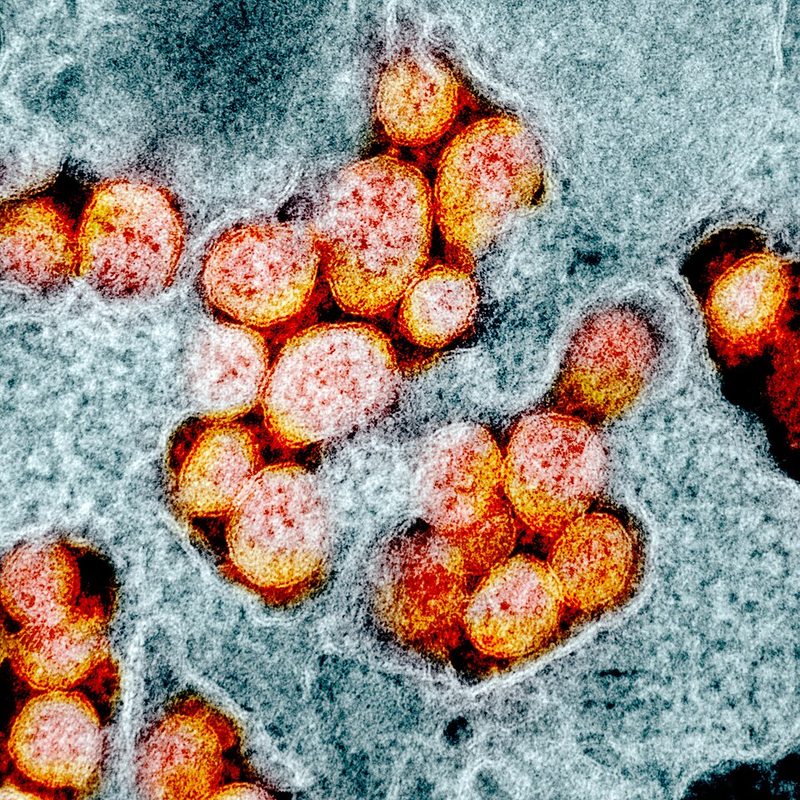
Emergence of SARS-CoV-2 and the COVID-19 pandemic (2020)
With no vaccine, 1918's health authorities fell back on isolation, quarantine and limits on gatherings, as the world did again in 2020. The COVID story shows a new coronavirus spreading around the globe.
Read this moment
Read next · same disease or problem
Emergence of SARS-CoV-2 and the COVID-19 pandemic (2020)
With no vaccine, 1918's health authorities fell back on isolation, quarantine and limits on gatherings, as the world did again in 2020. The COVID story shows a new coronavirus spreading around the globe.
Read this moment
 Today on The Clinical Times
Love to Dream recalls portable baby sound machine over fire and burn risk
Love to Dream has recalled its portable Sleep Machine because its lithium-ion battery can overheat while charging with an incompatible charger, creating a risk of fire and burns.
Read today’s top stories
Today on The Clinical Times
Love to Dream recalls portable baby sound machine over fire and burn risk
Love to Dream has recalled its portable Sleep Machine because its lithium-ion battery can overheat while charging with an incompatible charger, creating a risk of fire and burns.
Read today’s top stories
All 526 moments in the history of medicine. This one is in chapter 5, Cures and codes
Connected moments
How this moment links to others in the history of medicine, and what you will find in each.
- Same disease or problem20092009 H1N1 influenza pandemicBoth pandemics were caused by H1N1 influenza viruses, 91 years apart. The 2009 story shows a new virus mixing swine, bird and human genes causing the first influenza pandemic of the century.Read this moment
-
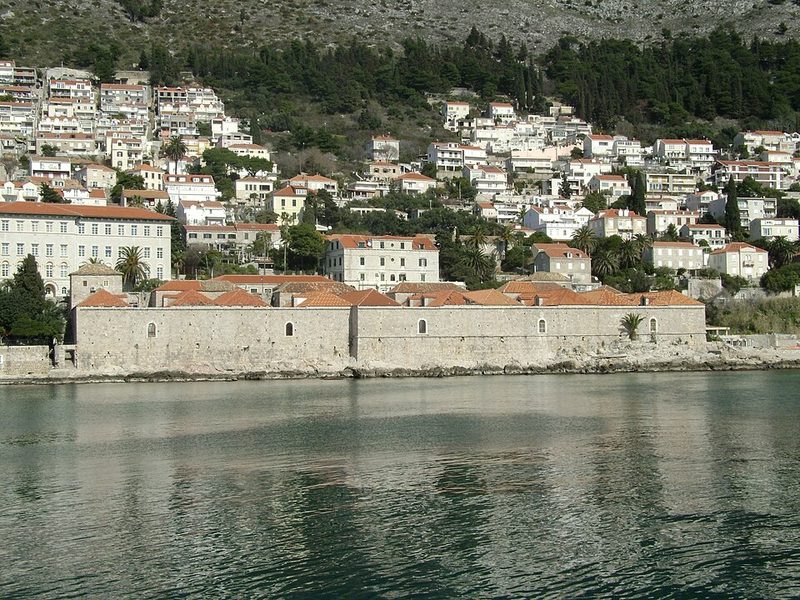 Same disease or problem1377The Ragusa quarantine decreeIn 1918 authorities turned to isolation and quarantine, the tool Ragusa had invented against plague in 1377. The Ragusa story shows arrivals held apart for 30 days, later 40.Read this moment