Epidemiology
2009
2009 H1N1 influenza pandemic
A new H1N1 virus mixing swine, avian and human influenza genes emerged in Mexico and the United States in spring 2009 and caused the first influenza pandemic of the century, killing an estimated 151,700 to 575,400 people in its first year.
Two children in southern California, a 10-year-old boy in San Diego County and a 9-year-old girl in Imperial County, fell ill at the end of March 2009. CDC's Morbidity and Mortality Weekly Report described their infections on 21 April: both carried a swine influenza A (H1N1) virus with a combination of gene segments never before reported in pigs or people. Neither child had been in contact with pigs, which raised the possibility of spread from person to person, and the virus resisted the older antiviral drugs amantadine and rimantadine. Where the children had caught it was still unknown when the report appeared.
The same virus was appearing in Mexico, and analysts soon described it as a unique mix of human, swine and avian influenza A genes. On 11 June 2009 WHO raised its pandemic alert to phase 6, the highest level.
This pandemic fell hardest on the young. CDC estimated that between 12 April 2009 and 10 April 2010 the virus caused about 60.8 million illnesses in the United States (range 43.3 to 89.3 million), 274,304 hospitalizations (range 195,086 to 402,719) and 12,469 deaths (range 8,868 to 18,306). Worldwide it killed an estimated 151,700 to 575,400 people in its first year. About 80 percent of those deaths were in people younger than 65, while in ordinary influenza seasons 70 to 90 percent of deaths are in people 65 and older.
WHO declared the pandemic over on 10 August 2010. The virus did not go away. It kept circulating as one of the seasonal influenza viruses.
Keep exploring
 Read next · same disease or problem
The 1918 Influenza Pandemic
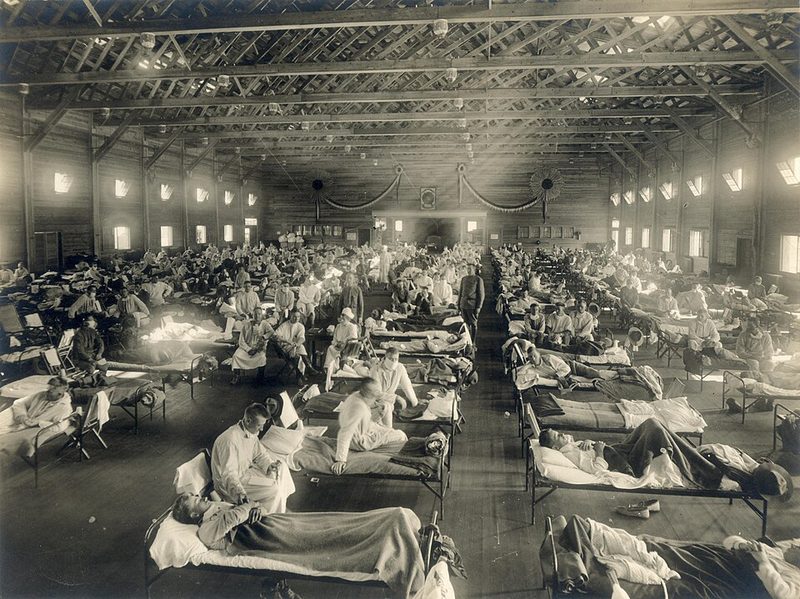
Both pandemics were caused by H1N1 influenza viruses, and both fell unusually hard on the young. The 1918 entry shows a third of the world infected and tens of millions dead.
Read this moment
Read next · same disease or problem
The 1918 Influenza Pandemic
Both pandemics were caused by H1N1 influenza viruses, and both fell unusually hard on the young. The 1918 entry shows a third of the world infected and tens of millions dead.
Read this moment
 Today on The Clinical Times
Love to Dream recalls portable baby sound machine over fire and burn risk
Love to Dream has recalled its portable Sleep Machine because its lithium-ion battery can overheat while charging with an incompatible charger, creating a risk of fire and burns.
Read today’s top stories
Today on The Clinical Times
Love to Dream recalls portable baby sound machine over fire and burn risk
Love to Dream has recalled its portable Sleep Machine because its lithium-ion battery can overheat while charging with an incompatible charger, creating a risk of fire and burns.
Read today’s top stories
All 526 moments in the history of medicine. This one is in chapter 7, Genes and pandemics
Connected moments
How this moment links to others in the history of medicine, and what you will find in each.
-
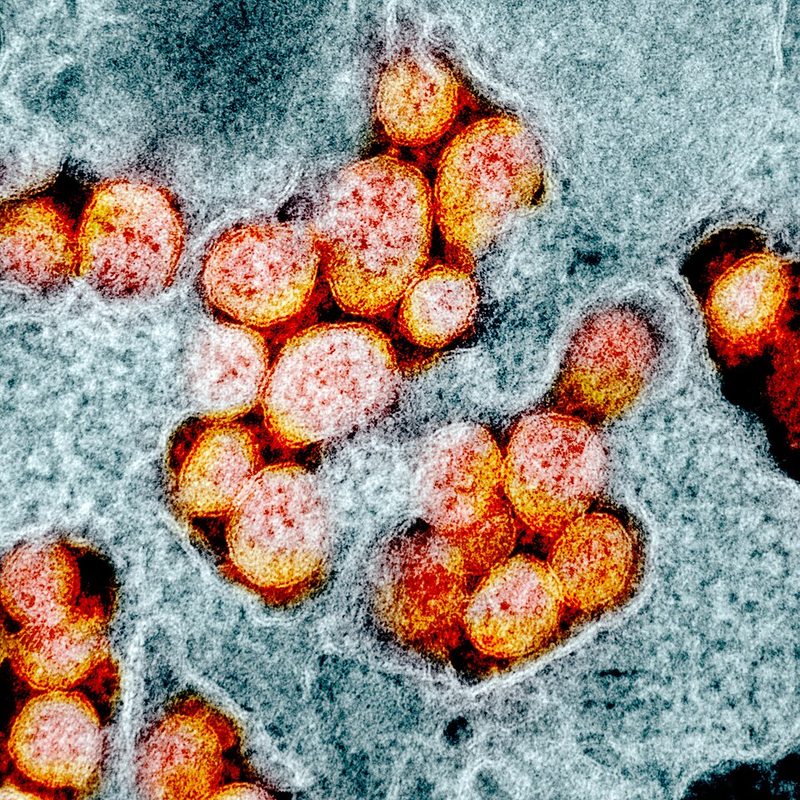 Same disease or problem2020Emergence of SARS-CoV-2 and the COVID-19 pandemicH1N1 was the first pandemic of the century, and COVID-19 followed eleven years later with far greater loss. The COVID entry shows about 14.9 million excess deaths in two years.Read this moment
-
 Same disease or problem1975Extracorporeal membrane oxygenation (ECMO) for neonatal respiratory failure (Bartlett)During the 2009 pandemic an Australian series reported almost 80 percent survival for flu patients on ECMO. The ECMO entry shows the external lung first used to save a newborn in 1975.Read this moment
- Same disease or problem2003SARS outbreak and identification of its coronavirusBoth were new respiratory viruses that spread across borders within weeks and tested global surveillance. The SARS entry shows WHO's laboratory network identifying a new coronavirus.Read this moment