Epidemiology
2003
SARS outbreak and identification of its coronavirus
SARS spread from southern China through a Hong Kong hotel to more than two dozen countries, with about 8,100 probable cases and 774 deaths. A WHO laboratory network identified a new coronavirus as the cause, and transmission ended in July 2003.
Key people
- Carlo Urbani
- WHO specialist in Hanoi who first reported the outbreak; died of SARS
Source
The first known case, identified only much later, fell ill in Foshan City, Guangdong Province, on 16 November 2002. By 11 February 2003 China's Ministry of Health had reported an outbreak of acute respiratory syndrome in Guangdong with 300 cases and 5 deaths. Ten days later a 64-year-old doctor from Zhongshan University in Guangzhou, already ill after treating such patients, checked into the ninth floor of the Metropole Hotel in Hong Kong. He died on 4 March. Guests of the hotel carried the disease to Toronto, Singapore and Hanoi.
In Hanoi, the WHO infectious disease specialist Carlo Urbani attended a 48-year-old businessman at the French Hospital, and on 28 February he alerted the WHO office in Manila. Staff who cared for such patients fell ill in Hanoi and Hong Kong. WHO issued a global alert on 12 March. On 15 March it named the illness severe acute respiratory syndrome and issued a rare travel advisory. Urbani died of SARS in Thailand on 29 March.
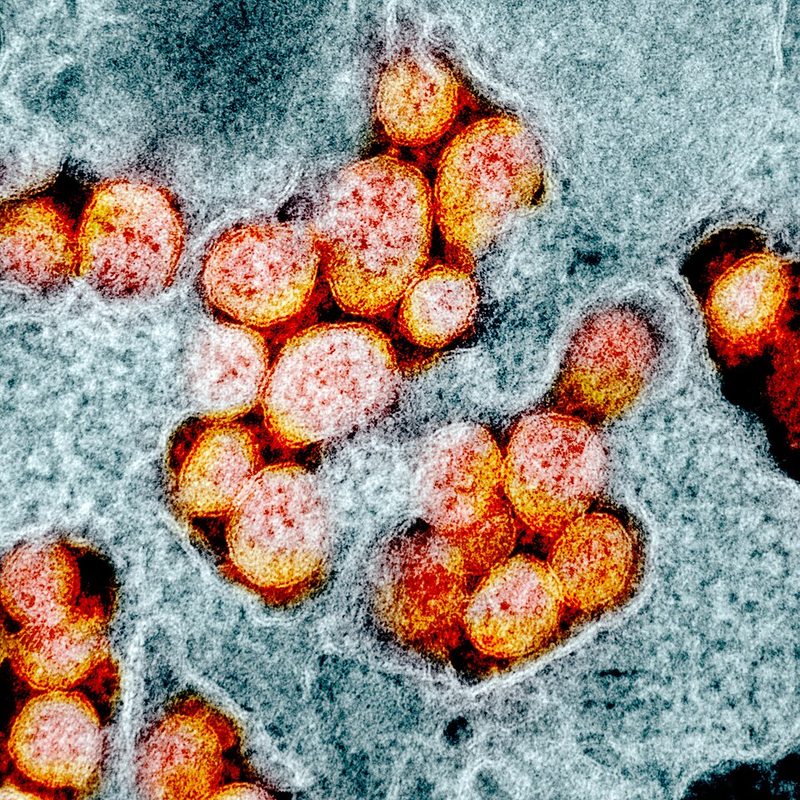
On 17 March WHO linked 11 laboratories in 9 countries to find the cause. Papers by Ksiazek, Drosten, Peiris and their colleagues reported a previously unknown coronavirus in SARS patients; its genome was only distantly related to known coronaviruses. On 16 April the network announced conclusive identification of an entirely new coronavirus, and the isolate described by Ksiazek's group was named the Urbani strain.
Most infections were in health care workers, their families and others in close contact with patients, and 21 percent of all cases were health care workers. The French Hospital in Hanoi and Scarborough Grace Hospital in Toronto closed to new patients, and Singapore ordered all contacts of patients to stay home for 10 days. On 5 July 2003 WHO removed Taiwan from its list of areas with local transmission, meaning every known chain of person-to-person spread had been broken. WHO's final table counted 8,096 probable cases and 774 deaths, with onsets from 16 November 2002 to 13 July 2003.
Keep exploring
 Read next · same disease or problem
Emergence of SARS-CoV-2 and the COVID-19 pandemic (2020)
SARS was a new coronavirus that spread to two dozen countries, and another new coronavirus caused COVID-19 seventeen years later. The COVID entry shows a virus that reached 114 countries in ten weeks and caused millions of excess deaths.
Read this moment
Read next · same disease or problem
Emergence of SARS-CoV-2 and the COVID-19 pandemic (2020)
SARS was a new coronavirus that spread to two dozen countries, and another new coronavirus caused COVID-19 seventeen years later. The COVID entry shows a virus that reached 114 countries in ten weeks and caused millions of excess deaths.
Read this moment
 Today on The Clinical Times
Love to Dream recalls portable baby sound machine over fire and burn risk
Love to Dream has recalled its portable Sleep Machine because its lithium-ion battery can overheat while charging with an incompatible charger, creating a risk of fire and burns.
Read today’s top stories
Today on The Clinical Times
Love to Dream recalls portable baby sound machine over fire and burn risk
Love to Dream has recalled its portable Sleep Machine because its lithium-ion battery can overheat while charging with an incompatible charger, creating a risk of fire and burns.
Read today’s top stories
All 526 moments in the history of medicine. This one is in chapter 7, Genes and pandemics
Connected moments
How this moment links to others in the history of medicine, and what you will find in each.
-
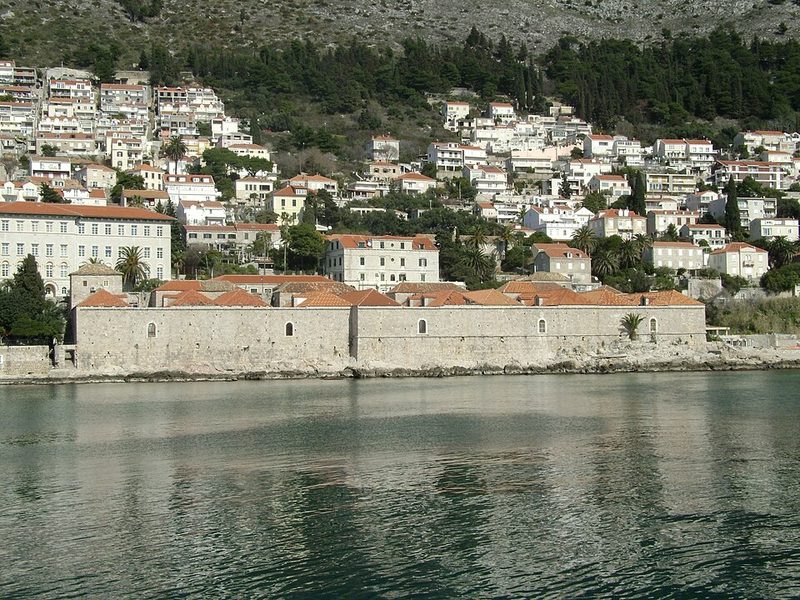 Same disease or problem1377The Ragusa quarantine decreeSARS was fought by closing hospitals to new patients and keeping contacts at home, the kind of isolation Ragusa first wrote into law. The Ragusa entry shows the 1377 decree that gave quarantine its name.Read this moment
-
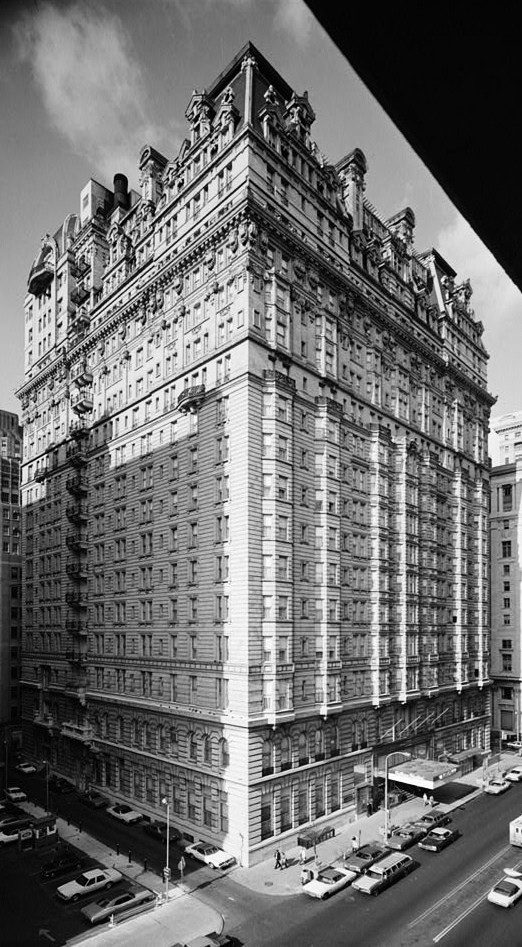 Same disease or problem1976Legionnaires' disease in PhiladelphiaBoth outbreaks spread through a hotel and were solved when laboratories identified a germ no one had seen before. The Legionnaires entry shows a convention struck by pneumonia and the bacterium behind it.Read this moment