Epidemiology
2020
Emergence of SARS-CoV-2 and the COVID-19 pandemic
A new coronavirus identified in Wuhan in January 2020 had reached 114 countries by 11 March, when WHO called COVID-19 a pandemic. WHO later estimated about 14.9 million excess deaths in 2020 and 2021.
Key people
- Na Zhu
- First author of the China CDC report identifying the new coronavirus
- Wenjie Tan
- China CDC virologist; corresponding author of the identification report
- George F. Gao
- Director General of China CDC; co-author of the identification report
- Tedros Adhanom Ghebreyesus
- WHO Director-General who declared the emergency and the pandemic
Source
On 31 December 2019 the Wuhan Municipal Health Commission in Hubei Province, China, reported a cluster of pneumonia cases of unknown cause. The cluster was linked to a seafood wholesale market. Three of the patients, a 49-year-old woman and men aged 61 and 32, had been admitted to a Wuhan hospital on 27 December, and lung-lavage samples collected at Wuhan Jinyintan Hospital on 30 December went to the Chinese Center for Disease Control and Prevention in Beijing.
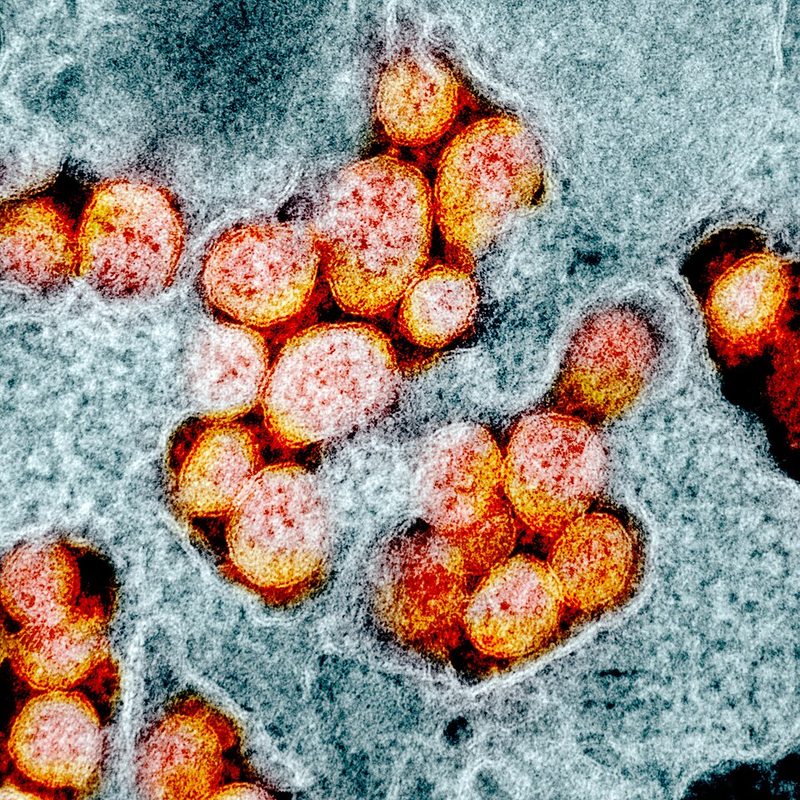
Tests for the four common human coronaviruses were negative. A China CDC team, with Na Zhu as first author and Wenjie Tan, George Gao and Guizhen Wu as corresponding authors, sequenced the samples on Illumina and nanopore machines and found a betacoronavirus no one had described. They grew it in human airway epithelial cells and photographed particles 60 to 140 nanometers across, ringed with spikes like a solar corona. They called it 2019-nCoV. Its genome was 86.9 percent identical to a bat SARS-like coronavirus, and it was the seventh coronavirus known to infect people. China shared the sequence publicly on 12 January 2020. The 61-year-old, a frequent visitor to the market, died on 9 January; the other two patients went home on 16 January.
Thailand confirmed the first case outside China on 13 January. On 30 January WHO Director-General Tedros Adhanom Ghebreyesus accepted his Emergency Committee's advice and declared a Public Health Emergency of International Concern, the sixth since the International Health Regulations of 2005 came into force. WHO counted 7,818 confirmed cases that day, 82 of them in 18 countries outside China. On 11 February the International Committee on Taxonomy of Viruses named the virus SARS-CoV-2, for its kinship with the SARS virus of 2003, and WHO named the disease COVID-19. By 11 March cases outside China had risen 13-fold in two weeks. With more than 118,000 cases in 114 countries and 4,291 deaths, WHO called COVID-19 a pandemic, the first caused by a coronavirus.
Reported deaths understated the toll. In May 2022 WHO estimated about 14.9 million excess deaths (range 13.3 to 16.6 million) in 2020 and 2021, counting people killed by the disease and by overwhelmed health services; 57 percent were men, and middle-income countries accounted for 81 percent. On 5 May 2023, after the Emergency Committee's 15th meeting, Tedros ended the emergency. Almost 7 million deaths had been reported to WHO by then, and he put the true figure at 20 million or more.
Keep exploring
 Read next · same disease or problem
The 1918 Influenza Pandemic
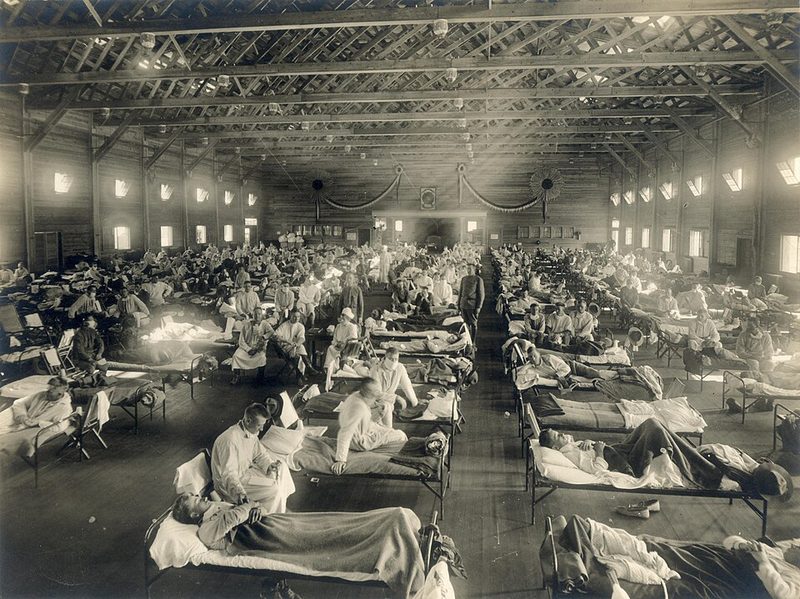
Both were pandemics of new respiratory viruses that killed millions, influenza in 1918 and a coronavirus in 2020. The 1918 entry shows a third of the world infected and deaths falling hard on young adults.
Read this moment
Read next · same disease or problem
The 1918 Influenza Pandemic
Both were pandemics of new respiratory viruses that killed millions, influenza in 1918 and a coronavirus in 2020. The 1918 entry shows a third of the world infected and deaths falling hard on young adults.
Read this moment
 Today on The Clinical Times
Love to Dream recalls portable baby sound machine over fire and burn risk
Love to Dream has recalled its portable Sleep Machine because its lithium-ion battery can overheat while charging with an incompatible charger, creating a risk of fire and burns.
Read today’s top stories
Today on The Clinical Times
Love to Dream recalls portable baby sound machine over fire and burn risk
Love to Dream has recalled its portable Sleep Machine because its lithium-ion battery can overheat while charging with an incompatible charger, creating a risk of fire and burns.
Read today’s top stories
All 526 moments in the history of medicine. This one is in chapter 7, Genes and pandemics
Connected moments
How this moment links to others in the history of medicine, and what you will find in each.
- Same disease or problem2003SARS outbreak and identification of its coronavirusThe new virus was named SARS-CoV-2 for its kinship with the SARS virus of 2003. The SARS entry shows how that earlier coronavirus was identified and stopped.Read this moment
-
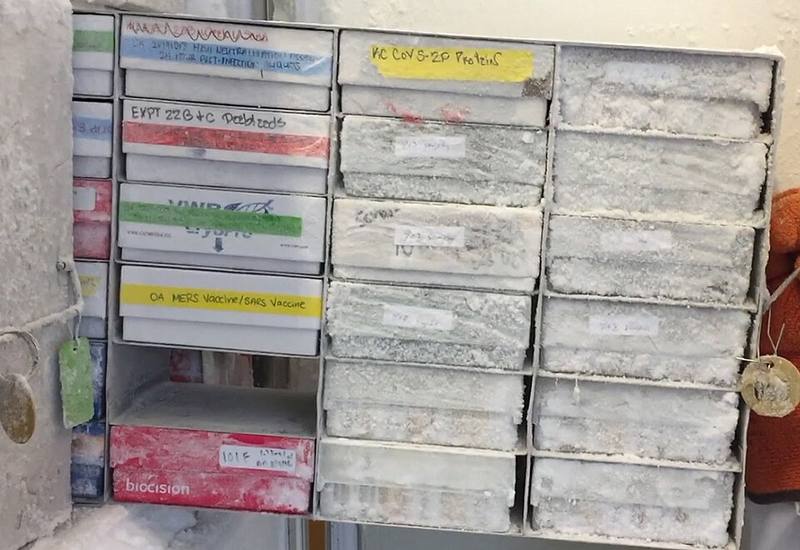 Led to2020BNT162b2 mRNA COVID-19 Vaccine (Pfizer-BioNTech)The genetic sequence shared in January 2020 let vaccine makers start at once. The BNT162b2 entry shows an mRNA vaccine 95 percent effective, authorized eleven months later.Read this moment
-
 Led to2020RECOVERY Trial: Dexamethasone for COVID-19The pandemic needed treatments fast, and RECOVERY found the first drug proven to cut COVID-19 deaths. It shows dexamethasone saving about a third of ventilated patients who would have died.Read this moment