Infectious Disease
1921
Calmette and Guérin's BCG vaccine
After 13 years and 230 subcultures of a bovine tuberculosis strain, Albert Calmette and Camille Guérin had a harmless live bacillus that protected cattle. On 18 July 1921 it was given by mouth to a Paris newborn, the first human BCG vaccination.
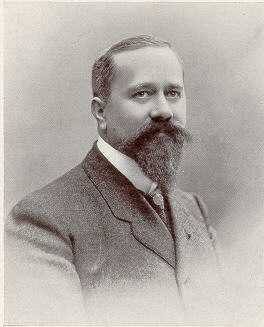
Key people
- Albert Calmette
- Director of the Lille Pasteur Institute who developed BCG with Guérin
- Camille Guérin
- Co-developer of BCG through 13 years of serial subculture
- Benjamin Weill-Hallé
- Paris physician who gave the first human BCG dose in 1921
Source
Tuberculosis was rife in working-class Lille, where Albert Calmette had directed a new branch of the Pasteur Institute since 1897. In 1908 he and Camille Guérin began growing a strain of Mycobacterium bovis taken from a cow with tuberculous mastitis, on a medium of autoclaved potato and beef bile, and moved it to fresh medium every three weeks. Their idea joined Jenner's use of an agent from another species to Pasteur's use of weakened pathogens.
Given to young oxen, the bacteria at first grew more virulent, but after about 30 subcultures their virulence began to fall. After 13 years and 230 subcultures the strain no longer made the oxen ill but gave them immunity. In French it was the vaccin bilié Calmette-Guérin, after the bile.
On 18 July 1921 Benjamin Weill-Hallé, assisted by Raymond Turpin, gave the first human dose at the Charité Hospital in Paris. The infant's mother had died of tuberculosis a few hours after the birth. The dose went by mouth, since Calmette held that the gut was the usual route of natural infection, and the child had no ill effects. By 1924 the Paris group reported 664 infants vaccinated orally, and from 1924 to 1928 114,000 infants received BCG produced in Lille. Doubts followed: in 1928 Professor M. Greenwood in Britain attacked Calmette and Guérin's statistics, and in 1929 workers at the Trudeau Sanatorium reported virulent bacilli in a sample from Calmette.
In 1930 in Lübeck, Germany, about 250 newborns were given oral BCG sent from Paris but prepared in a local laboratory. Within weeks many developed tuberculosis, and more than 70 died. A government inquiry concluded after 20 months that the vaccine had been contaminated with virulent tubercle bacilli in the Lübeck laboratory, and two doctors were sentenced to prison.
After the Second World War UNICEF, the new World Health Organization and Scandinavian Red Cross societies promoted mass vaccination. Trials in the 1950s disagreed: a British Medical Research Council trial in tuberculin-negative 13-year-olds found strong protection, while United States Public Health Service trials found little or none. BCG mainly protects infants against extrapulmonary tuberculosis and gives variable protection against the pulmonary form. France made it compulsory in 1950 and ended the requirement in 2007.
Keep exploring
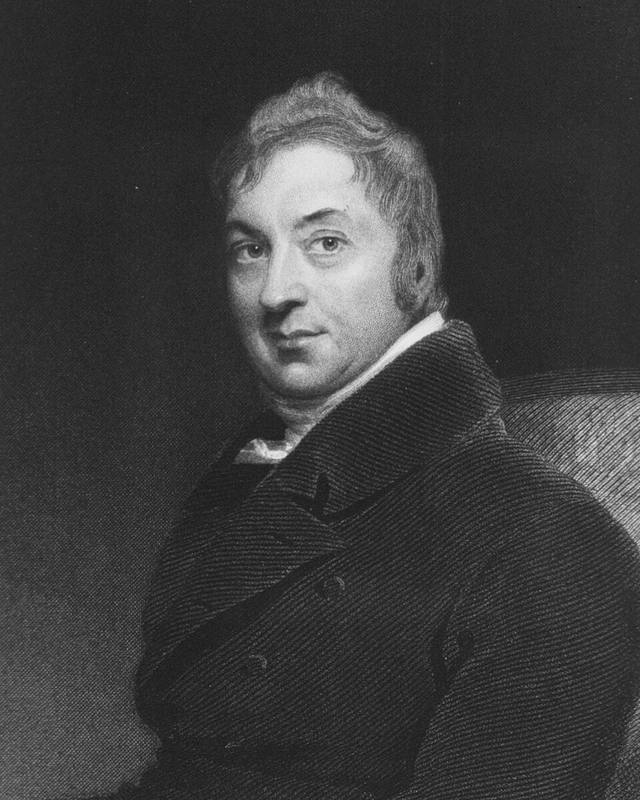 Read next · built on
Jenner's smallpox vaccination (cowpox inoculation) (1796)
BCG borrowed Jenner's idea of protecting people with an agent from another species. Jenner's story shows cowpox used to protect a boy from smallpox in 1796.
Read this moment
Read next · built on
Jenner's smallpox vaccination (cowpox inoculation) (1796)
BCG borrowed Jenner's idea of protecting people with an agent from another species. Jenner's story shows cowpox used to protect a boy from smallpox in 1796.
Read this moment
 Today on The Clinical Times
Love to Dream recalls portable baby sound machine over fire and burn risk
Love to Dream has recalled its portable Sleep Machine because its lithium-ion battery can overheat while charging with an incompatible charger, creating a risk of fire and burns.
Read today’s top stories
Today on The Clinical Times
Love to Dream recalls portable baby sound machine over fire and burn risk
Love to Dream has recalled its portable Sleep Machine because its lithium-ion battery can overheat while charging with an incompatible charger, creating a risk of fire and burns.
Read today’s top stories
All 526 moments in the history of medicine. This one is in chapter 5, Cures and codes
Connected moments
How this moment links to others in the history of medicine, and what you will find in each.
-
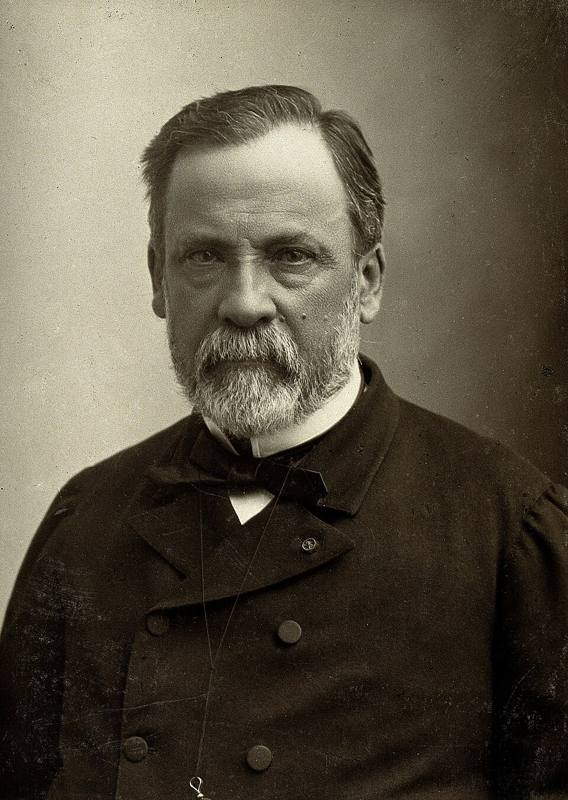 Built on1885Pasteur's rabies vaccineBCG also borrowed Pasteur's idea of weakening a germ until it protects without harming. Pasteur's story shows rabbit spinal cord dried until it could be safely injected.Read this moment
-
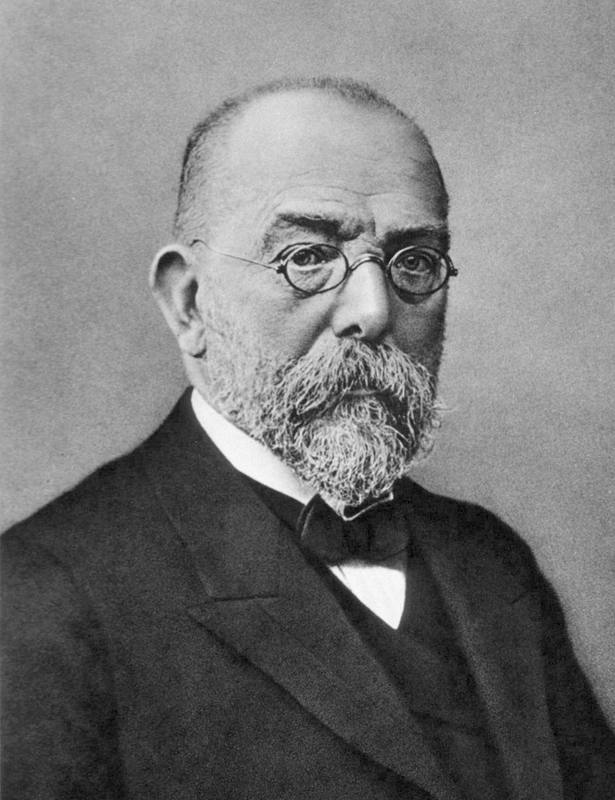 Same disease or problem1882Koch's Discovery of the Tubercle BacillusBCG was made to prevent the tuberculosis whose bacillus Koch identified. Koch's story shows how he proved the cause of a disease that killed one in seven people.Read this moment
-
 Same disease or problem1902The Biologics Control Act of 1902BCG contaminated in a Lübeck laboratory killed more than 70 babies in 1930, as tainted antitoxin had killed children in St Louis. The Biologics story shows the American law passed to control how such products are made.Read this moment