Patients & Rights
1939
Aktion T4 killings of disabled patients
Under a secret authorization from Hitler, German physicians selected institutionalized patients with disabilities to be killed. The program's own count recorded 70,273 people gassed at six institutions in 1940 and 1941; an estimated 250,000 were killed in all its phases by the war's end.
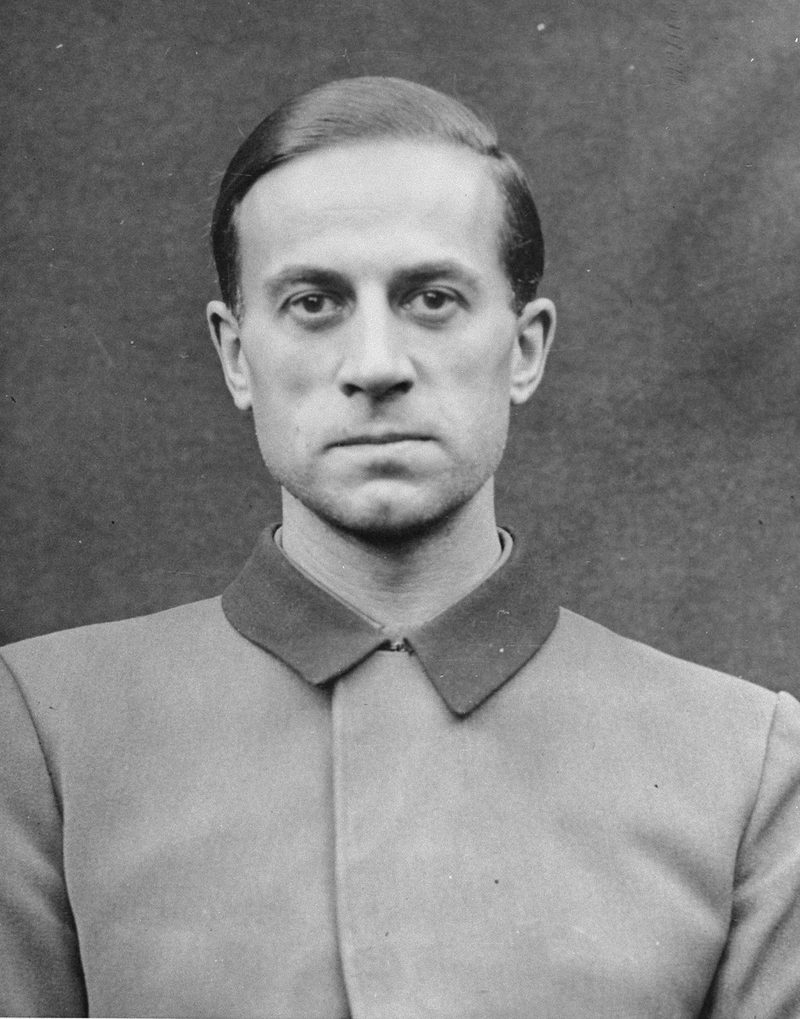
Key people
- Philipp Bouhler
- Director of the Führer Chancellery, charged with running the program
- Karl Brandt
- Hitler's attending physician, charged with running the program
- Clemens August von Galen
- Bishop of Münster who preached against the killings in August 1941
Source
On 18 August 1939 the Reich Ministry of the Interior ordered physicians, nurses and midwives to report newborns and children under three with signs of severe mental or physical disability. From October, public health authorities urged parents to admit such children to designated pediatric clinics, which were killing wards: staff gave lethal overdoses of medication or starved the children. The age limit later rose to 17, and at least 10,000 children were killed.
In the autumn of 1939 Adolf Hitler signed a short authorization dated 1 September 1939, so that it would appear to be a wartime measure. It charged Philipp Bouhler, director of the Führer Chancellery, and Karl Brandt, Hitler's attending physician, with extending the powers of certain doctors so that patients judged incurable could be granted a "mercy death". It permitted killing without ordering it, and it protected participants from prosecution.
The adult program took its code name from its Berlin office at Tiergartenstrasse 4. Questionnaires went to hospitals, mental institutions and nursing homes, and secretly recruited physicians, many of them eminent, judged the returned forms in teams of three. Criteria included chronic psychiatric or neurological disorders such as schizophrenia and epilepsy, criminal commitment, more than five years in an institution, and not being of German or "related" blood. From January 1940 patients were taken to gas chambers at Brandenburg, Grafeneck, Hartheim, Sonnenstein, Bernburg and Hadamar. Psychiatrists reported their own patients, arranged the transfers and oversaw the gassing, first with carbon monoxide. Families received an urn and a death certificate with a false cause and date. T4's internal count reached 70,273 dead by August 1941.
After public and private protests, among them a sermon by Clemens August von Galen, bishop of Münster, on 3 August 1941, Hitler ordered a halt late that month. Child killings went on. From August 1942 medical staff again killed adults, by overdose, lethal injection and starvation, and the victims came to include geriatric patients, bombing victims and foreign forced laborers. The US Holocaust Memorial Museum cites an estimate of 250,000 killed in all phases.
Planners of the murder of Europe's Jews later adopted the gas chamber and crematorium designed for T4, and T4 staff served at the Belzec, Sobibor and Treblinka killing centers. A copy of Hitler's letter kept by Justice Minister Franz Gürtner survived and was entered as evidence at the International Military Tribunal and the Medical Case trial at Nuremberg.
Keep exploring
 Read next · same disease or problem
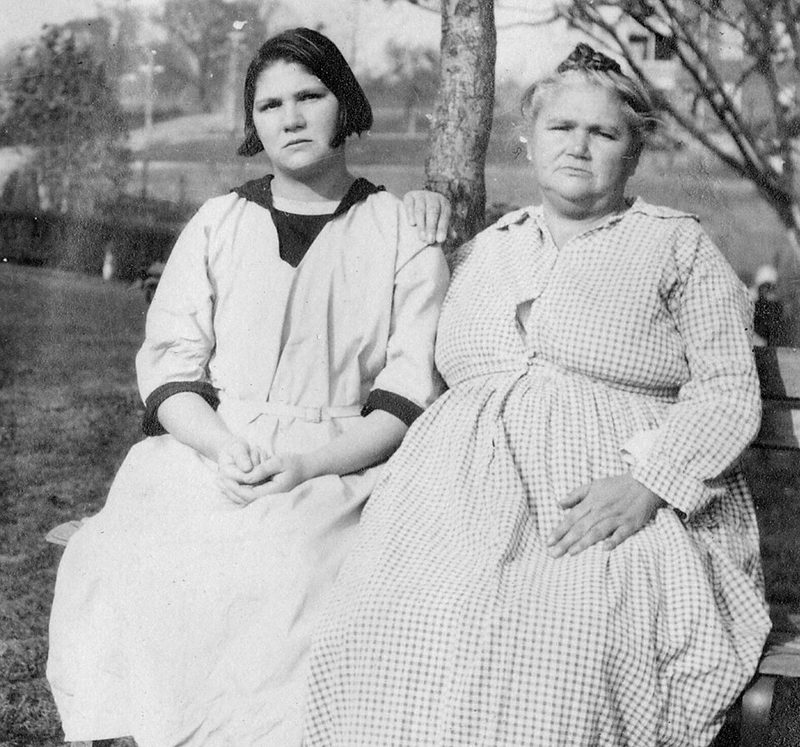
Buck v. Bell and compulsory sterilization (1927)
The United States let states sterilize people judged feeble minded, and Nazi Germany went on to kill disabled patients. The Buck v Bell story shows the Supreme Court ruling that Nazi defendants later cited.
Read this moment
Read next · same disease or problem
Buck v. Bell and compulsory sterilization (1927)
The United States let states sterilize people judged feeble minded, and Nazi Germany went on to kill disabled patients. The Buck v Bell story shows the Supreme Court ruling that Nazi defendants later cited.
Read this moment
 Today on The Clinical Times
Love to Dream recalls portable baby sound machine over fire and burn risk
Love to Dream has recalled its portable Sleep Machine because its lithium-ion battery can overheat while charging with an incompatible charger, creating a risk of fire and burns.
Read today’s top stories
Today on The Clinical Times
Love to Dream recalls portable baby sound machine over fire and burn risk
Love to Dream has recalled its portable Sleep Machine because its lithium-ion battery can overheat while charging with an incompatible charger, creating a risk of fire and burns.
Read today’s top stories
All 526 moments in the history of medicine. This one is in chapter 5, Cures and codes
Connected moments
How this moment links to others in the history of medicine, and what you will find in each.
-
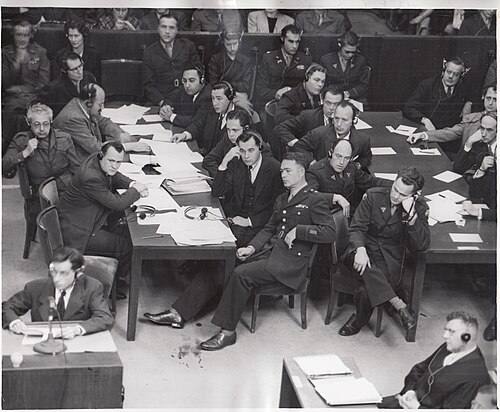 Same disease or problem1947The Nuremberg CodeT4 was carried out by German physicians, and the Nuremberg Code came from the verdict against Nazi doctors. Its story shows voluntary consent made the first rule of human research.Read this moment
-
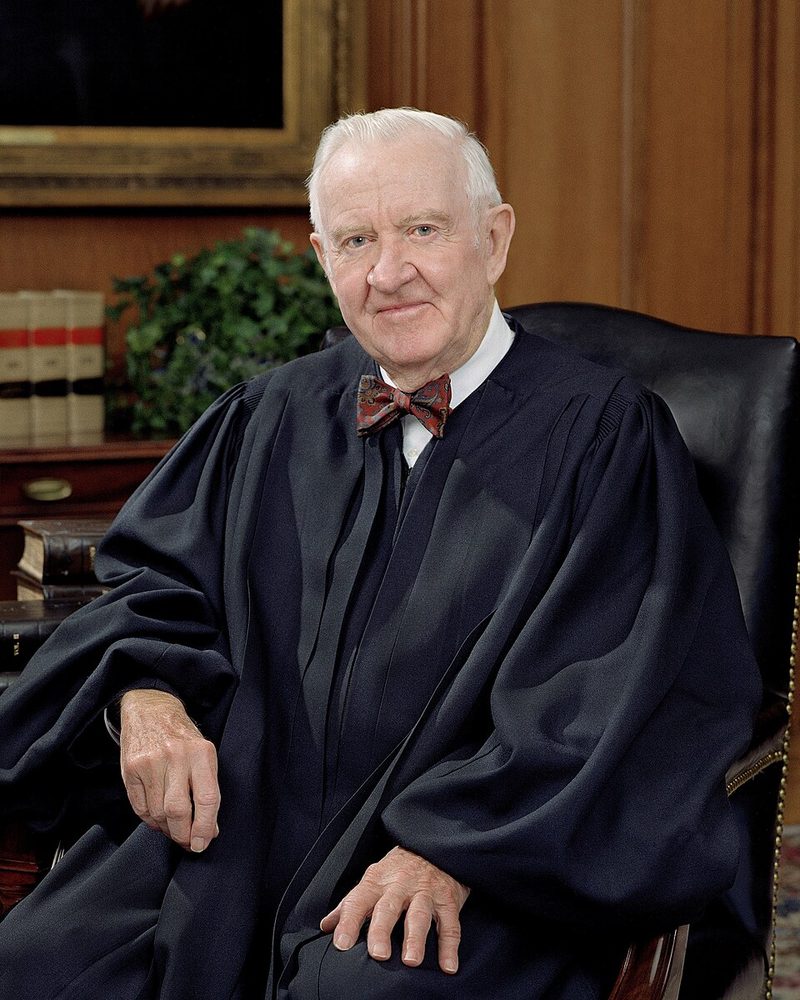 Same disease or problem1982Baby Doe and the treatment of disabled newbornsT4 began with the killing of disabled children, and Baby Doe forced the United States to decide when withholding treatment from a disabled infant is neglect. That story shows the federal rules that followed.Read this moment