Patients & Rights
1982
Baby Doe and the treatment of disabled newborns
The death of an Indiana infant with Down syndrome whose parents refused surgery led to federal hospital rules, court challenges and the Child Abuse Amendments of 1984, which defined when withholding treatment from a disabled infant counted as medical neglect.
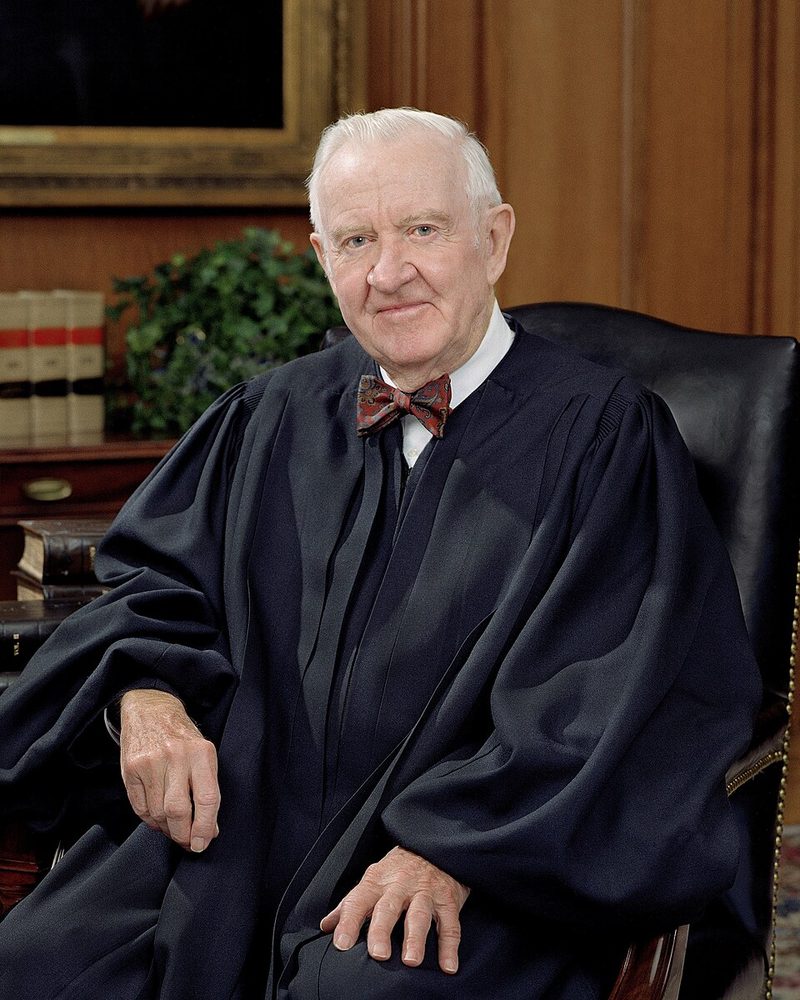
Key people
- John Paul Stevens
- Supreme Court justice who wrote the 1986 plurality opinion
Source
Bowen v. American Hospital Association, 476 U.S. 610 (1986). (opens in a new tab)
On 9 April 1982 an infant with Down syndrome was born in Bloomington, Indiana, with an obstruction of the esophagus that prevented feeding by mouth. The parents refused consent to surgery to correct it. The hospital went to court the next day to override them, but an Indiana trial court, after a hearing that evening, denied the request, and a local child protection committee reviewed the case and agreed with the court. The infant, who became known as Baby Doe, died six days after birth.
On 18 May 1982, acting on a directive from the President, the Office for Civil Rights of the Department of Health and Human Services reminded hospitals receiving federal funds that section 504 of the Rehabilitation Act of 1973, which bars discrimination on the basis of handicap, protected newborns with conditions such as Down syndrome. An interim rule of 7 March 1983 required notices in delivery wards, maternity and pediatric wards and nurseries giving a federal hotline number for reporting suspected violations. On 14 April 1983 a federal district court in Washington, ruling in a suit brought by the American Academy of Pediatrics, struck the rule down for violating the Administrative Procedure Act. The department issued final rules on 12 January 1984.
Congress then passed the Child Abuse Amendments of 1984, enacted on 9 October. They defined withholding of medically indicated treatment as failing to give a disabled infant with life-threatening conditions the treatment most likely to correct them, including nutrition, fluids and medication. Treatment other than nutrition, fluids and medication could be withheld if the infant was chronically and irreversibly comatose, if it would merely prolong dying or be futile, or if it would be virtually futile and inhumane. States receiving child abuse grants had to set up procedures through their child protective services to respond to such cases.
The American Hospital Association and the American Medical Association challenged the 1984 hospital rules. On 9 June 1986, in Bowen v. American Hospital Association, the Supreme Court upheld the lower-court ruling that invalidated them. No opinion won a majority: Justice John Paul Stevens, writing for himself and three other justices, concluded that section 504 did not authorize the rules and that a hospital could not violate the law by withholding treatment when the parents had refused consent. Chief Justice Burger concurred only in the judgment.
Keep exploring
 Read next · same disease or problem
Discovery of trisomy 21 (1959)
Baby Doe had Down syndrome, the condition traced to an extra chromosome in 1959. The trisomy entry shows the Paris discovery and the long dispute over who deserves the credit.
Read this moment
Read next · same disease or problem
Discovery of trisomy 21 (1959)
Baby Doe had Down syndrome, the condition traced to an extra chromosome in 1959. The trisomy entry shows the Paris discovery and the long dispute over who deserves the credit.
Read this moment
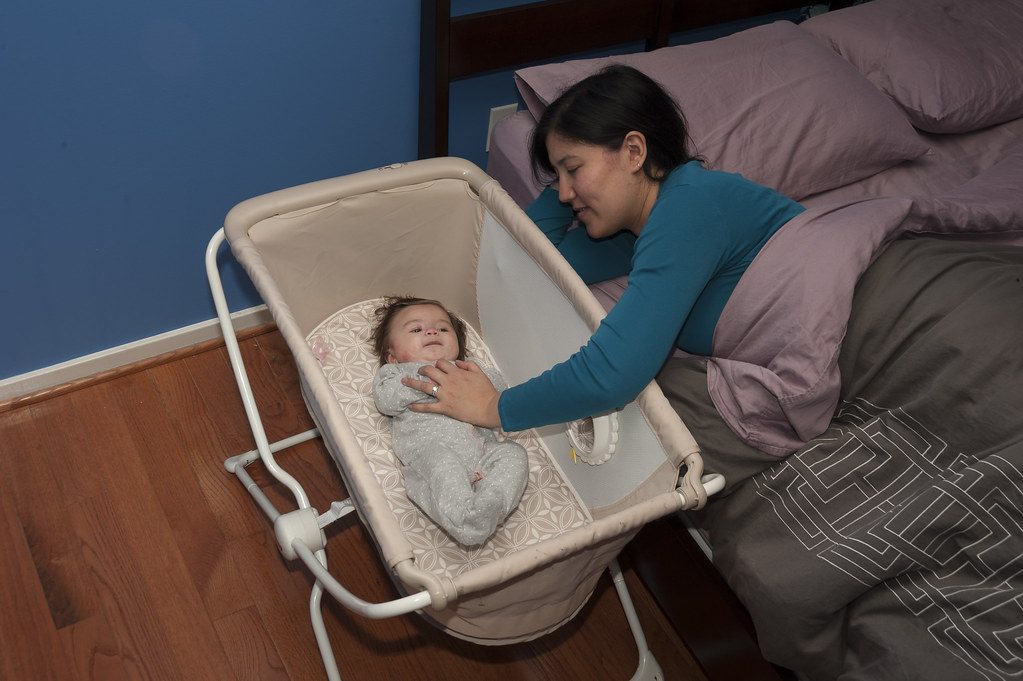 Today on The Clinical Times
Love to Dream recalls portable baby sound machine over fire and burn risk
Love to Dream has recalled its portable Sleep Machine because its lithium-ion battery can overheat while charging with an incompatible charger, creating a risk of fire and burns.
Read today’s top stories
Today on The Clinical Times
Love to Dream recalls portable baby sound machine over fire and burn risk
Love to Dream has recalled its portable Sleep Machine because its lithium-ion battery can overheat while charging with an incompatible charger, creating a risk of fire and burns.
Read today’s top stories
All 526 moments in the history of medicine. This one is in chapter 6, Trials, scanners and rights
Connected moments
How this moment links to others in the history of medicine, and what you will find in each.
-
 Same disease or problem1962The battered-child syndromeBoth asked when harm to a child by those caring for it becomes a medical and legal matter. The battered child entry shows how doctors learned to recognize abuse, often from X-rays.Read this moment
-
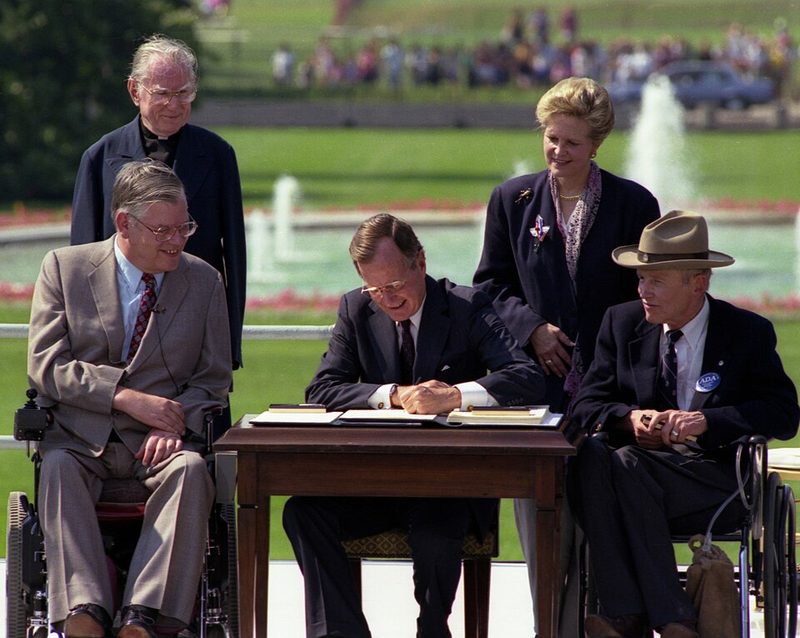 Same disease or problem1990Americans with Disabilities ActThe Baby Doe rules rested on section 504 of the Rehabilitation Act, whose definition of disability the ADA later adopted. The ADA entry shows discrimination barred in jobs, services, doctors' offices and hospitals.Read this moment
- Same disease or problem1976In re QuinlanBoth asked who may decide to withhold treatment from a patient unable to speak for themselves. The Quinlan entry shows a court letting a father withdraw his daughter's respirator.Read this moment