Infectious Disease
1982
Prusiner and prions
In 1982 Stanley Prusiner proposed that scrapie was caused by a new kind of infectious particle, made of protein and resistant to procedures that destroy nucleic acids, which he named a prion. Later genetic work supported the idea, and he won the 1997 Nobel Prize.
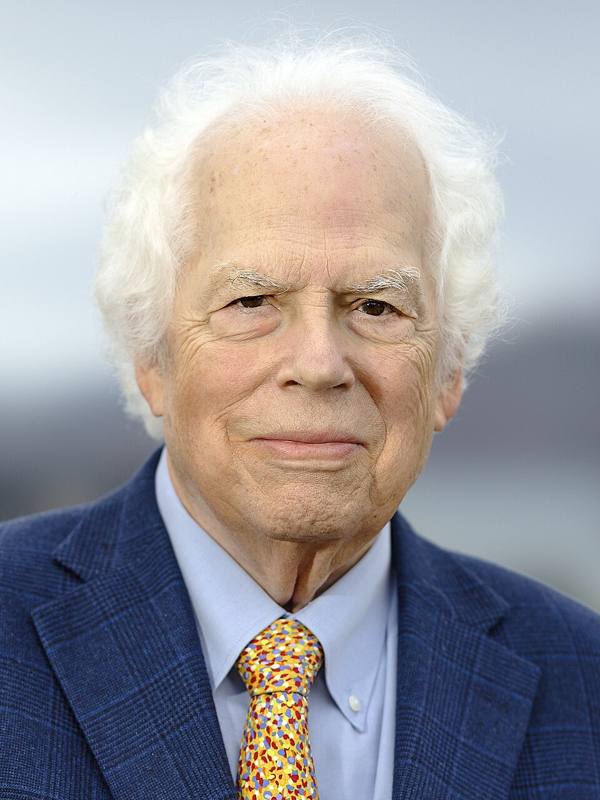
Key people
- Stanley B. Prusiner
- Physician and scientist who proposed and named the prion
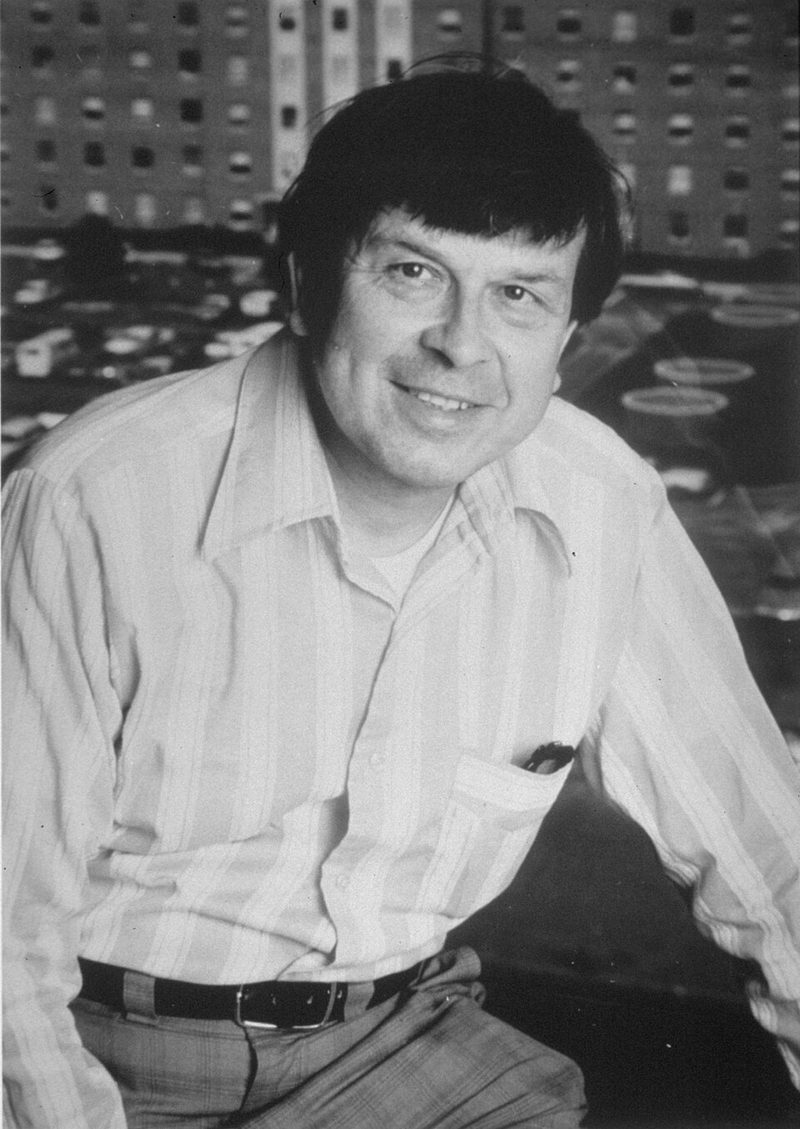
- Charles Weissmann
- Led the Zurich group that made prion protein knockout mice
Source
Stanley Prusiner began the work in 1972, after a patient of his died of dementia from Creutzfeldt-Jakob disease. Earlier researchers had shown that this disease, kuru and scrapie, a similar disease of sheep, could be passed on through extracts of diseased brain. What the transmissible agent was remained unknown, and one theory held that it contained no nucleic acid, although every known infectious agent carried DNA or RNA.
Purifying the agent was slow. In mice each test meant waiting about 200 days for signs of disease, and the work sped up once scrapie was adapted to hamsters, which fell ill much sooner. In April 1982 Prusiner laid out the evidence in Science. Six lines of evidence, including sensitivity to enzymes that digest protein, showed that the agent needed a protein to be infectious, while five procedures that modify nucleic acids failed to inactivate it. Because these properties set it apart from viruses, plasmids and viroids, he proposed a new term, prion, for a small proteinaceous infectious particle. Many scientists greeted the claim with skepticism.
In December 1982 his group reported a protein of 27,000 to 30,000 daltons, later called PrP 27-30, that purified with infectivity from scrapie-infected hamster brain, resisted digestion and was absent from normal brain. In 1985 a cloned gene showed the protein was encoded by an ordinary host gene present in normal hamster brain and in mouse and human DNA, and that no gene for it traveled inside the infectious particles. The disease-causing form proved to be the same protein folded into a different, highly stable shape, able to convert the normal protein into copies of itself.
In 1989 a change at codon 102 of the prion protein gene was linked to Gerstmann-Sträussler syndrome, an inherited and yet transmissible disease, in two families. In 1993 Charles Weissmann's group in Zurich reported that mice lacking the gene developed normally and stayed free of scrapie for at least 13 months after inoculation, while normal mice all died within 6 months. Prusiner received the 1997 Nobel Prize in Physiology or Medicine.
Keep exploring
 Read next · built on
Kuru among the Fore (1957)
Earlier researchers had shown that kuru, scrapie and CJD pass on through extracts of diseased brain, and Prusiner set out to find the agent. The kuru entry shows the disease spreading through funeral feasts among the Fore of New Guinea.
Read this moment
Read next · built on
Kuru among the Fore (1957)
Earlier researchers had shown that kuru, scrapie and CJD pass on through extracts of diseased brain, and Prusiner set out to find the agent. The kuru entry shows the disease spreading through funeral feasts among the Fore of New Guinea.
Read this moment
 Today on The Clinical Times
Love to Dream recalls portable baby sound machine over fire and burn risk
Love to Dream has recalled its portable Sleep Machine because its lithium-ion battery can overheat while charging with an incompatible charger, creating a risk of fire and burns.
Read today’s top stories
Today on The Clinical Times
Love to Dream recalls portable baby sound machine over fire and burn risk
Love to Dream has recalled its portable Sleep Machine because its lithium-ion battery can overheat while charging with an incompatible charger, creating a risk of fire and burns.
Read today’s top stories
All 526 moments in the history of medicine. This one is in chapter 6, Trials, scanners and rights
Connected moments
How this moment links to others in the history of medicine, and what you will find in each.
-
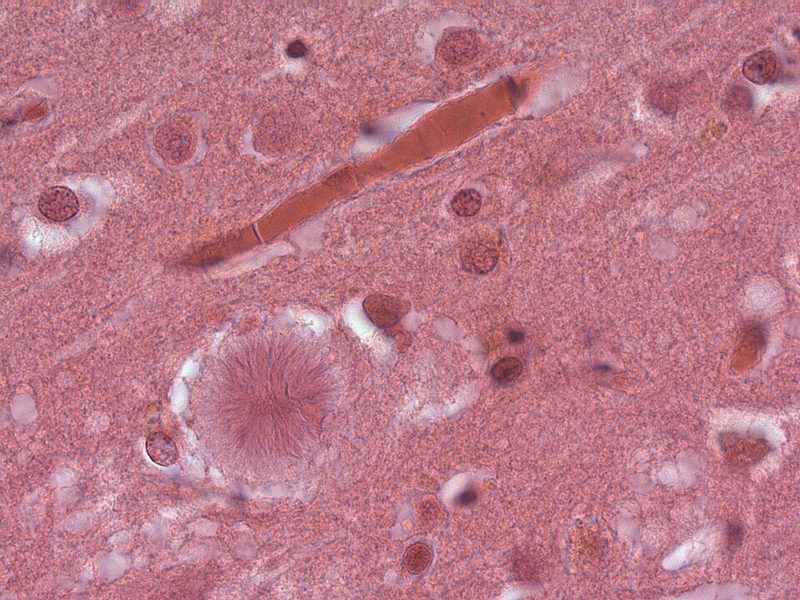 Same disease or problem1996Variant CJD and mad cow diseasePrions proved to be behind mad cow disease and the new human variant of CJD that followed. The 1996 entry shows British surveillance finding the disease in young people and the later confirmed link to cattle.Read this moment
-
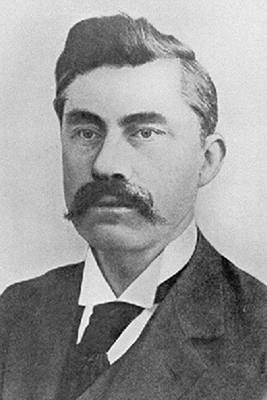 Same disease or problem1898Beijerinck's contagium vivum fluidumBoth proposed a new kind of infectious agent unlike anything known, a filterable virus in 1898 and an infectious protein in 1982. Beijerinck's entry shows the tobacco disease agent that slipped through bacteria-proof filters.Read this moment