Epidemiology
1957
Kuru among the Fore
Gajdusek and Zigas described kuru, a fatal brain disease killing Fore women and children in Papua New Guinea. It spread through mortuary feasts, and in 1966 it became the first human prion disease transmitted to chimpanzees.
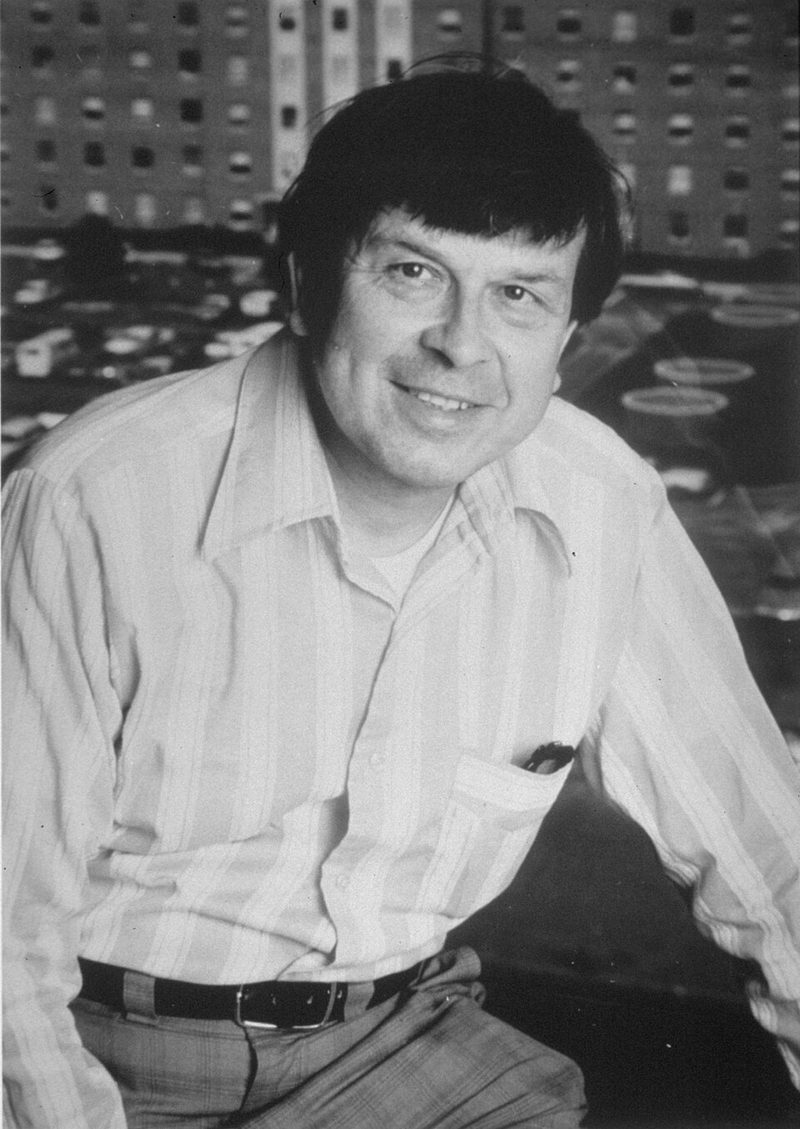
Key people
- D. Carleton Gajdusek
- Co-described kuru in 1957 and led the chimpanzee transmission work
- Vincent Zigas
- Co-described kuru in 1957 after seeing a case at Kainantu in 1955
- William Hadlow
- Veterinary pathologist who linked kuru to scrapie in 1959
- Shirley Lindenbaum
- Anthropologist who with Robert Glasse proposed transmission through mortuary feasts
Source
In the language of the Fore people of Papua New Guinea's Eastern Highlands, kuru means to tremble from fever or cold. The disease was confined to the Fore and neighboring language groups. By Fore accounts it first appeared around 1900 in a Keiagana village to the northwest and reached the central South Fore by 1930. Patients trembled and grew steadily more unsteady, and died about a year after the first signs. Some showed inappropriate euphoria and compulsive laughter. In 1955 Vincent Zigas at Kainantu, the government station, provisionally diagnosed a typical case as acute hysteria.
Patrol officers had described kuru from 1953, and Zigas and D. Carleton Gajdusek first reported it in medical journals in two 1957 papers. It was epidemic, with about 1,000 deaths across the kuru region from 1957 to 1961. Among some 12,000 Fore, the death rate in some villages approached 35 per 1,000. Of the cases in 1957 to 1959, 60 percent were adult women and only 2 percent adult men; the rest were children and adolescents of both sexes.
On 21 July 1959 Gajdusek, then in New Guinea, received a letter from William Hadlow, an American veterinary pathologist at the Rocky Mountain Laboratory in Montana. Hadlow pointed out how closely kuru resembled scrapie, a slow brain disease of sheep and goats that could be passed between animals after very long incubation. Chimpanzees were inoculated with brain tissue taken from patients soon after death. After about two years they showed changes in behavior and then unmistakable cerebellar ataxia, and the transmission was reported in 1966.
The anthropologists Robert Glasse and Shirley Lindenbaum were the first to propose that kuru spread through the mortuary practice in which the Fore ate their dead relatives, and women took part in many such feasts. The Australian administration had banned the practice. Public feasting stopped by the mid-1950s, the practice was abandoned by the early 1960s, and in the South Fore almost no child born after 1954 developed kuru. Gajdusek shared the 1976 Nobel Prize in Physiology or Medicine for discoveries on new mechanisms for the origin and spread of infectious diseases. Deaths fell to two in the five years before 2008, and some incubation periods may have exceeded 50 years.
Keep exploring
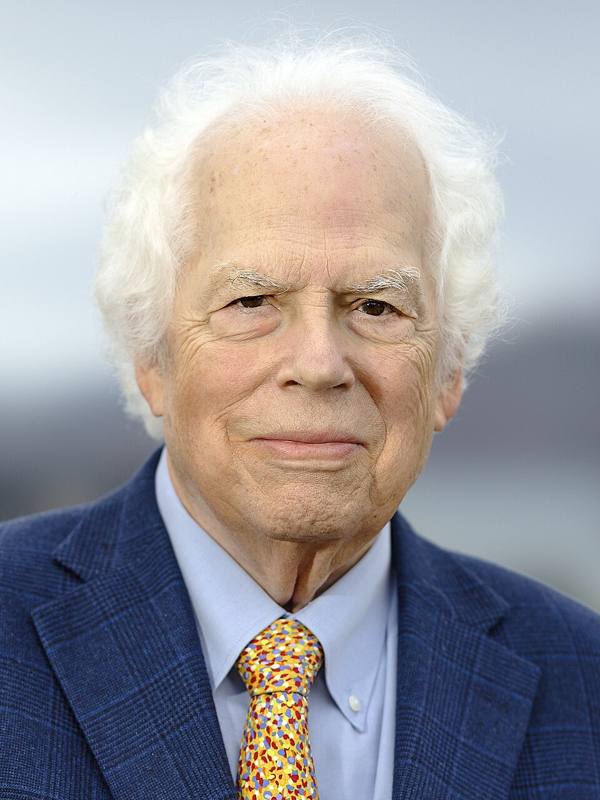 Read next · led to
Prusiner and prions (1982)
Kuru's passage through brain extracts was one of the transmissions Prusiner set out to explain. His entry shows how he proposed the prion, an infectious particle made of protein, and won the 1997 Nobel Prize.
Read this moment
Read next · led to
Prusiner and prions (1982)
Kuru's passage through brain extracts was one of the transmissions Prusiner set out to explain. His entry shows how he proposed the prion, an infectious particle made of protein, and won the 1997 Nobel Prize.
Read this moment
 Today on The Clinical Times
Love to Dream recalls portable baby sound machine over fire and burn risk
Love to Dream has recalled its portable Sleep Machine because its lithium-ion battery can overheat while charging with an incompatible charger, creating a risk of fire and burns.
Read today’s top stories
Today on The Clinical Times
Love to Dream recalls portable baby sound machine over fire and burn risk
Love to Dream has recalled its portable Sleep Machine because its lithium-ion battery can overheat while charging with an incompatible charger, creating a risk of fire and burns.
Read today’s top stories
All 526 moments in the history of medicine. This one is in chapter 5, Cures and codes
Connected moments
How this moment links to others in the history of medicine, and what you will find in each.
-
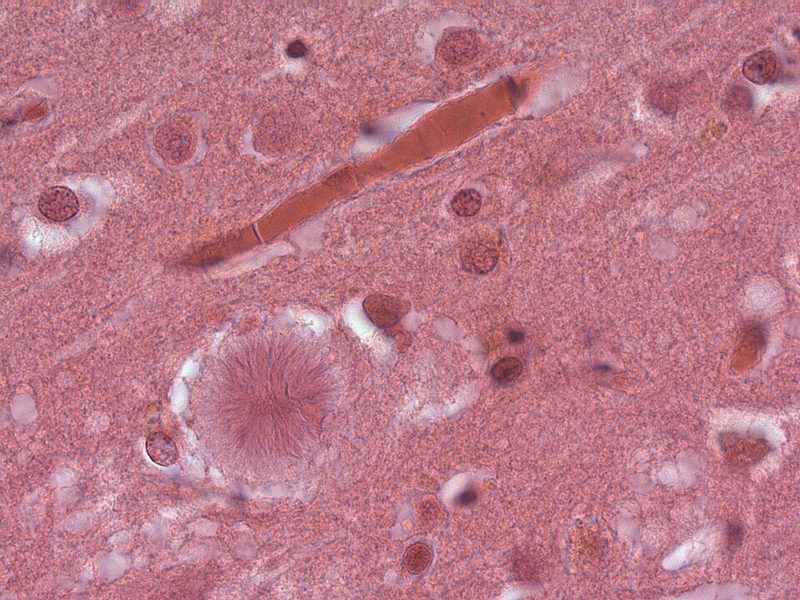 Same disease or problem1996Variant CJD and mad cow diseaseKuru and variant CJD are both human prion diseases of the brain, one spread at funeral feasts and one linked to mad cow disease. The vCJD entry follows how British surveillance found it in young people in 1996.Read this moment
-
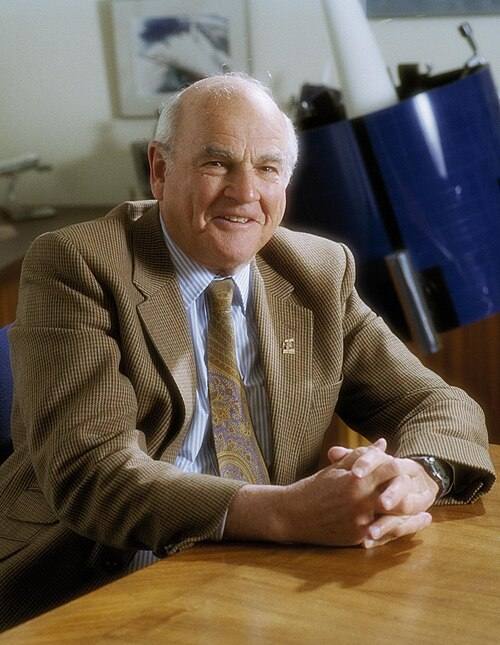 Same person1965Discovery of the hepatitis B virus (Australia antigen)Gajdusek shared the 1976 Nobel Prize with Baruch Blumberg. Blumberg's entry shows how his antigen turned out to be the hepatitis B surface protein, making donor blood screening and a vaccine possible.Read this moment