Genetics & Molecular
1959
Discovery of trisomy 21
A Paris team reported 47 chromosomes in the cells of children with Down syndrome, the first abnormality of a non-sex chromosome found in human cells. Credit between Jérôme Lejeune and Marthe Gautier, who grew the cells, is disputed.
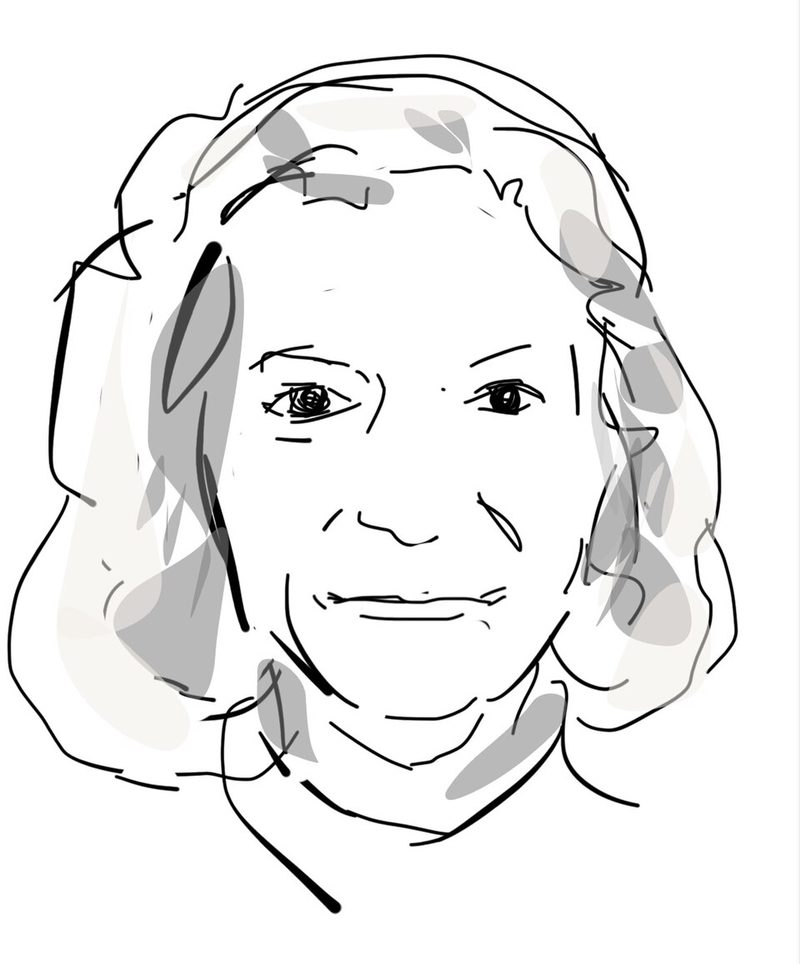
Key people
- Marthe Gautier
- Pediatric cardiologist who set up the cell cultures; second author
- Jérôme Lejeune
- CNRS researcher and first author of the 1959 reports
- Raymond Turpin
- Head of the Trousseau Hospital department and senior author
Source
John Langdon Down had described the syndrome almost a century earlier. In the 1950s Raymond Turpin, who headed a department at Trousseau Hospital in Paris, was studying syndromes of multiple malformations, and the commonest was what doctors then called mongolism, now Down syndrome.
Marthe Gautier, a pediatric cardiologist, had spent a year at Harvard, where part of her work was growing fibroblasts in a cell culture laboratory. Back in Paris as chief clinical resident in Turpin's department, she was put in charge of developing cell cultures. She grew fibroblasts from connective tissue taken under local anesthesia, spread the chromosomes with a hypotonic shock technique and stained them with her own recipe. By her account, cells from normal children had 46 chromosomes and cells from children with the syndrome had 47, but her microscope could not show the extra chromosome well. In May 1958 Jérôme Lejeune, a researcher at the CNRS and a student of Turpin, offered to have her slides photographed in a better equipped laboratory, and she gave them to him. About three months later Lejeune presented the finding at a genetics seminar in Montreal.
Two notes to the French Academy of Sciences, dated 26 January and 16 March 1959, reported the 47 chromosomes, signed Lejeune, Gautier and Turpin in that order. The first gave her name as Marie Gauthier. It was the first abnormality of a non-sex chromosome recognized in human cells, and in 1960 the Denver Conference named it trisomy 21. Lejeune spent the rest of his career on the condition and became a professor of genetics in 1964. Gautier left the field for pediatric cardiology.
Gautier published her account in La Recherche in 2009. In 2014 the Jérôme Lejeune Foundation obtained court authorization to have a bailiff record a talk she was to give at a genetics meeting in Bordeaux; the organizers cancelled it and gave her a medal privately. That September the ethics committee of Inserm, the French medical research institute, concluded that the discovery could not have been made without Turpin and Gautier and that Lejeune's part was probably not the main one. The foundation rejected the opinion. It points to Lejeune's laboratory notebook from May 1958, which it says shows he was the first to count 47 chromosomes, and says Turpin asked him to sign first. Gautier died in 2022.
Keep exploring
 Read next · built on
Langdon Down's description of Down syndrome (1866)
The Paris team found the extra chromosome behind the syndrome John Langdon Down described almost a century earlier. Down's entry shows his 1866 description and the racial label that gave way to Down's syndrome in 1961.
Read this moment
Read next · built on
Langdon Down's description of Down syndrome (1866)
The Paris team found the extra chromosome behind the syndrome John Langdon Down described almost a century earlier. Down's entry shows his 1866 description and the racial label that gave way to Down's syndrome in 1961.
Read this moment
 Today on The Clinical Times
Love to Dream recalls portable baby sound machine over fire and burn risk
Love to Dream has recalled its portable Sleep Machine because its lithium-ion battery can overheat while charging with an incompatible charger, creating a risk of fire and burns.
Read today’s top stories
Today on The Clinical Times
Love to Dream recalls portable baby sound machine over fire and burn risk
Love to Dream has recalled its portable Sleep Machine because its lithium-ion battery can overheat while charging with an incompatible charger, creating a risk of fire and burns.
Read today’s top stories
All 526 moments in the history of medicine. This one is in chapter 5, Cures and codes
Connected moments
How this moment links to others in the history of medicine, and what you will find in each.
-
 Same disease or problem1982Baby Doe and the treatment of disabled newbornsBaby Doe was an infant with Down syndrome whose parents refused surgery in 1982. That entry shows how the death led to federal rules defining when withholding treatment from a disabled infant is neglect.Read this moment
-
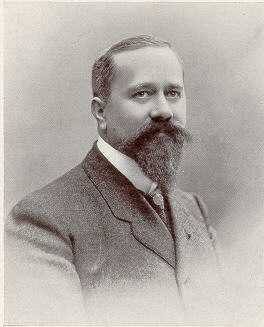 Same person1921Calmette and Guérin's BCG vaccineRaymond Turpin, who headed the Paris department behind the trisomy finding, had helped give the first BCG dose in 1921. The BCG entry shows how 13 years of subculturing produced a harmless live tuberculosis vaccine.Read this moment