Critical & Organ Care
1960
Closed-chest cardiac massage
Kouwenhoven, Jude and Knickerbocker reported in JAMA in July 1960 that cardiac arrest could be treated by compressing the closed chest, without surgery to reach the heart. Combined with mouth-to-mouth breathing, the method became cardiopulmonary resuscitation.
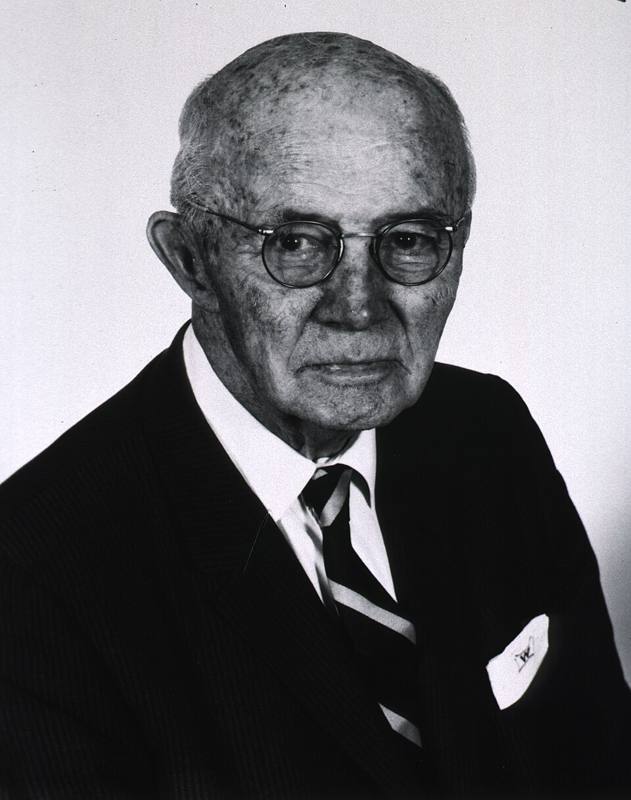
Key people
- William B. Kouwenhoven
- Johns Hopkins electrical engineer and lead author of the 1960 report
- Peter Safar
- Developed mouth-to-mouth breathing, later combined with compressions as CPR
- J. R. Jude
- Co-author of the 1960 JAMA report
Source
For much of the 1950s, reviving an arrested heart meant opening the chest. Surgeons performed a thoracotomy, massaged the heart by hand and placed defibrillator paddles directly on it. Claude Beck reported the first successful defibrillation of a human heart in 1947, through an open chest, and Paul Zoll reported defibrillation through the closed chest in 1956.
William B. Kouwenhoven, an electrical engineer at Johns Hopkins University, had studied the effects of electricity on the heart since the early 1930s, in collaborative projects with the medical faculty paid for by power companies. External compression itself was not new. Rudolph Boehm had restored circulation in cats with it in 1877, George Crile had done the same in dogs in 1903 and later described its use in people, and in 1954 Turk and Glenn at Yale reported 42 human cases. None of this work had caught on.
On July 9, 1960, Kouwenhoven, J. R. Jude and G. G. Knickerbocker published 'Closed-chest cardiac massage' in the Journal of the American Medical Association. The technique replaced thoracotomy and hand massage of the heart with compression through the intact chest wall.
Peter Safar had developed mouth-to-mouth breathing in 1957. Joined with chest compression, the combination was called cardiopulmonary resuscitation, or CPR, and a 2025 review in JACC: Basic to Translational Science credits Kouwenhoven, Safar and Jude with introducing it in 1960, when advances in ventilation and defibrillation made the combination practical. External chest compression with mask ventilation became the standard treatment for cardiac arrest inside and outside the hospital.
Keep exploring
 Read next · same disease or problem
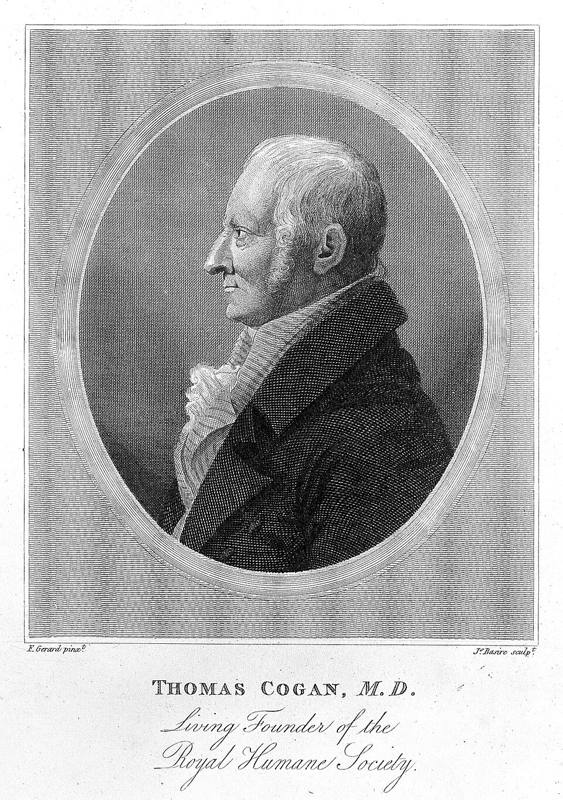
The Royal Humane Society and resuscitation (1774)
Both aimed to revive the apparently dead, and the 1774 directions already paired breathing into the lungs with pressing the chest. The Humane Society entry shows rewards for rescuers and 107 lives counted saved by 1776.
Read this moment
Read next · same disease or problem
The Royal Humane Society and resuscitation (1774)
Both aimed to revive the apparently dead, and the 1774 directions already paired breathing into the lungs with pressing the chest. The Humane Society entry shows rewards for rescuers and 107 lives counted saved by 1776.
Read this moment
 Today on The Clinical Times
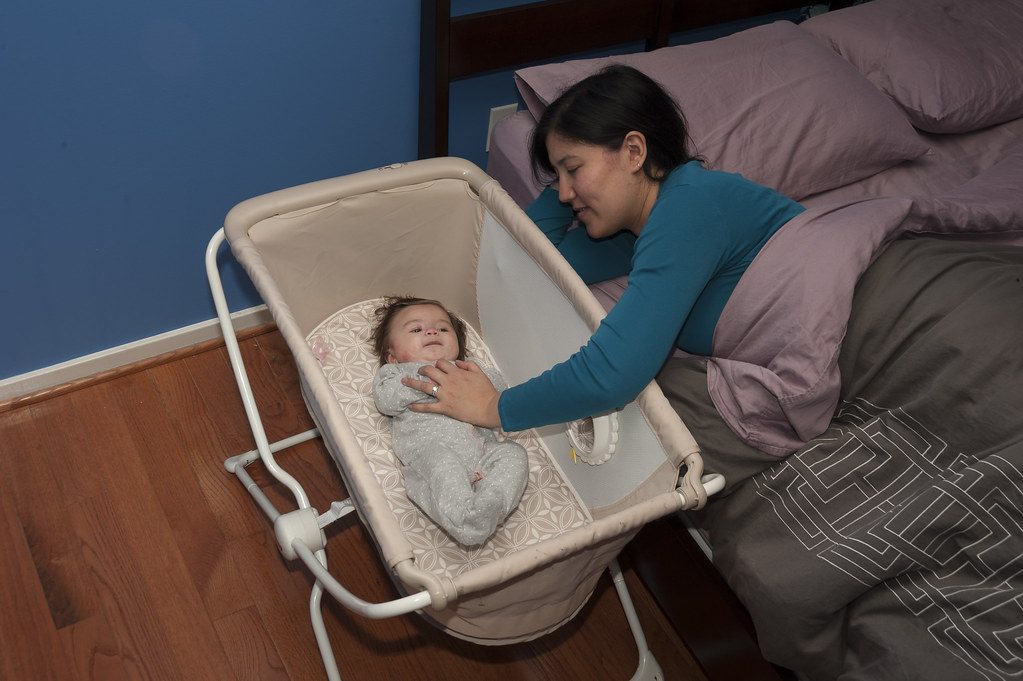
Love to Dream recalls portable baby sound machine over fire and burn risk
Love to Dream has recalled its portable Sleep Machine because its lithium-ion battery can overheat while charging with an incompatible charger, creating a risk of fire and burns.
Read today’s top stories
Today on The Clinical Times
Love to Dream recalls portable baby sound machine over fire and burn risk
Love to Dream has recalled its portable Sleep Machine because its lithium-ion battery can overheat while charging with an incompatible charger, creating a risk of fire and burns.
Read today’s top stories
All 526 moments in the history of medicine. This one is in chapter 6, Trials, scanners and rights
Connected moments
How this moment links to others in the history of medicine, and what you will find in each.
-
 Same person1967Freedom House paramedics and the 911 numberPeter Safar, who joined mouth to mouth breathing with chest compression, later trained Pittsburgh's first paramedics. Freedom House shows Hill District residents giving advanced care on the way to hospital, a model for national standards.Read this moment
-
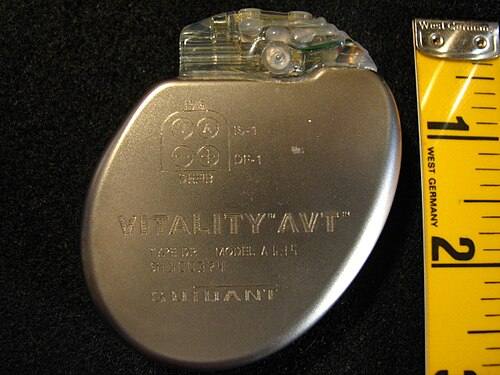 Same disease or problem1980Implantable cardioverter-defibrillator first human implantation (Mirowski)Both fight sudden cardiac arrest, one with hands on the chest and one with shocks from an implant. The ICD entry shows Mirowski's device that senses lethal arrhythmias and stops them before any rescuer could arrive.Read this moment