Critical & Organ Care
1967
Freedom House paramedics and the 911 number
Pittsburgh's Freedom House Ambulance Service trained Black residents of the Hill District to give advanced care on the way to hospital, and its training became a model for national paramedic standards. In 1968 the FCC and AT&T chose 911 as a national emergency number.
Key people
- Peter Safar
- Pittsburgh anesthesiologist who helped found and train the service
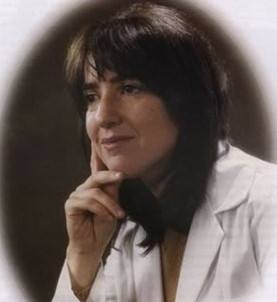
- Nancy Caroline
- Freedom House medical director who wrote the first paramedic textbook
- Phil Hallen
- Head of the Maurice Falk Medical Fund, a founding partner
Source
In 1966 a National Academy of Sciences report, Accidental Death and Disability, documented how little emergency care most Americans could get. In Pittsburgh, people who could not pay for a private ambulance relied on the police or on undertakers to reach a hospital. John Moon, later a Freedom House paramedic, described police loading the injured into the back of a paddy wagon with no one tending them.
Freedom House Ambulance Service began in 1967 in the Hill District, a largely Black neighborhood. It grew out of a partnership between the Maurice Falk Medical Fund, headed by Phil Hallen, and Freedom House Enterprises, founded by James McCoy Jr., with Peter Safar, a University of Pittsburgh anesthesiologist known for his work on cardiopulmonary resuscitation. Safar asked to train Hill District residents to give the care. He and Donald Benson, the first medical director, recruited residents who had been out of work for long periods, some with criminal records, and Vietnam veterans. Trainees took about 300 hours of classroom teaching and then spent nine months in the field. The first class began in June 1968, serving the Hill District and Oakland and later downtown.
A 1971 study of more than 1,400 patients brought to three Pittsburgh hospitals found inappropriate care on the way in 11 percent of those carried by Freedom House, against 62 percent of those carried by police and 78 percent by volunteer fire departments and private ambulances. Nancy Caroline, Benson's successor, extended the training and wrote the first paramedic textbook. The city's $100,000 in funding was halved under Mayor Peter Flaherty, federal money ran out, and the service closed in the fall of 1975. Pittsburgh then set up a police and fire department network on similar lines; 26 Freedom House trainees got city paramedic jobs, and a few months later 12 were still employed.
The emergency number came from a separate effort. The National Association of Fire Chiefs had recommended a single number in 1957, and on 12 January 1968 the Federal Communications Commission and AT&T chose 9-1-1. Bob Gallagher, president of the Alabama Telephone Company, set out to beat AT&T. At 2 p.m. on 16 February 1968 Rankin Fite, speaker of the Alabama House, called Congressman Tom Bevill at the police station in Haleyville, the first 911 call. Congress directed the FCC to make 911 the universal emergency number for all telephone services only in 1999.
Keep exploring
 Read next · same person
Closed-chest cardiac massage (1960)
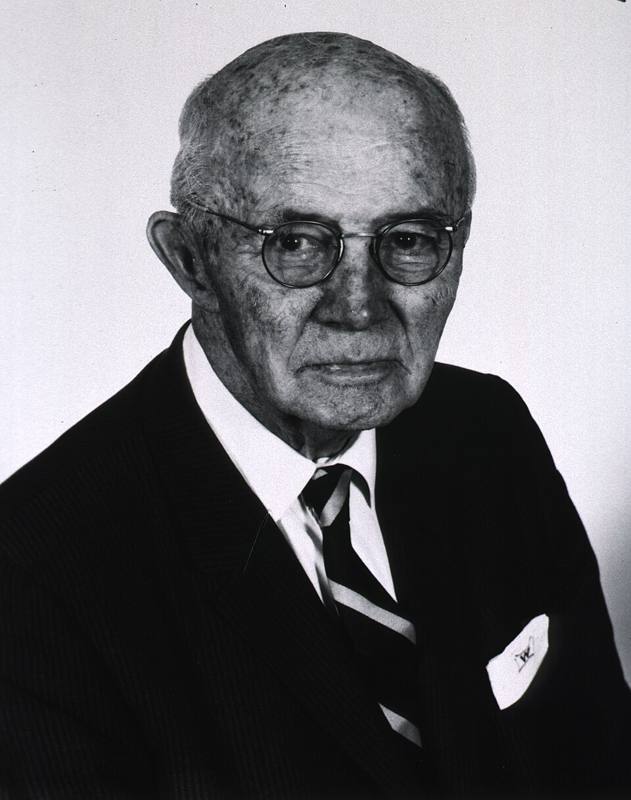
Peter Safar, who proposed training Hill District residents, was known for his work on cardiopulmonary resuscitation. The CPR entry shows how chest compression joined with mouth to mouth breathing became standard for cardiac arrest.
Read this moment
Read next · same person
Closed-chest cardiac massage (1960)
Peter Safar, who proposed training Hill District residents, was known for his work on cardiopulmonary resuscitation. The CPR entry shows how chest compression joined with mouth to mouth breathing became standard for cardiac arrest.
Read this moment
 Today on The Clinical Times
Love to Dream recalls portable baby sound machine over fire and burn risk
Love to Dream has recalled its portable Sleep Machine because its lithium-ion battery can overheat while charging with an incompatible charger, creating a risk of fire and burns.
Read today’s top stories
Today on The Clinical Times
Love to Dream recalls portable baby sound machine over fire and burn risk
Love to Dream has recalled its portable Sleep Machine because its lithium-ion battery can overheat while charging with an incompatible charger, creating a risk of fire and burns.
Read today’s top stories
All 526 moments in the history of medicine. This one is in chapter 6, Trials, scanners and rights
Connected moments
How this moment links to others in the history of medicine, and what you will find in each.
- Built on1966Accidental Death and Disability reportThe 1966 report documented how little emergency care most Americans could get, the gap Freedom House set out to fill. It shows injury as the neglected epidemic, with untrained ambulance crews and archaic emergency rooms.Read this moment
-
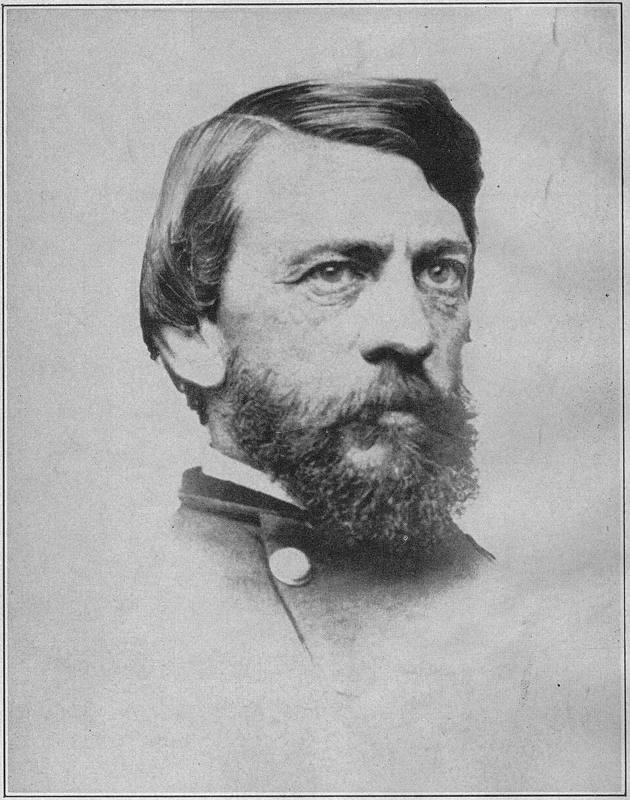 Same disease or problem1862Letterman's ambulance and field hospital systemBoth built trained ambulance services where the injured had been carried off with no one tending them. Letterman's entry shows the Civil War ambulance corps and field hospitals prepared before battle.Read this moment
-
 Same disease or problemc. 1792Larrey's flying ambulances and triageBoth brought care to the injured on the way to treatment instead of after long delays. Larrey's entry shows fast ambulances reaching soldiers during battle and the sorting of wounded by severity instead of rank.Read this moment