Critical & Organ Care
1862
Letterman's ambulance and field hospital system
Jonathan Letterman, medical director of the Union Army of the Potomac, created a dedicated ambulance corps with trained stretcher-bearers and then a system of division field hospitals prepared before battle. Congress extended a uniform ambulance system to all Union armies in 1864.
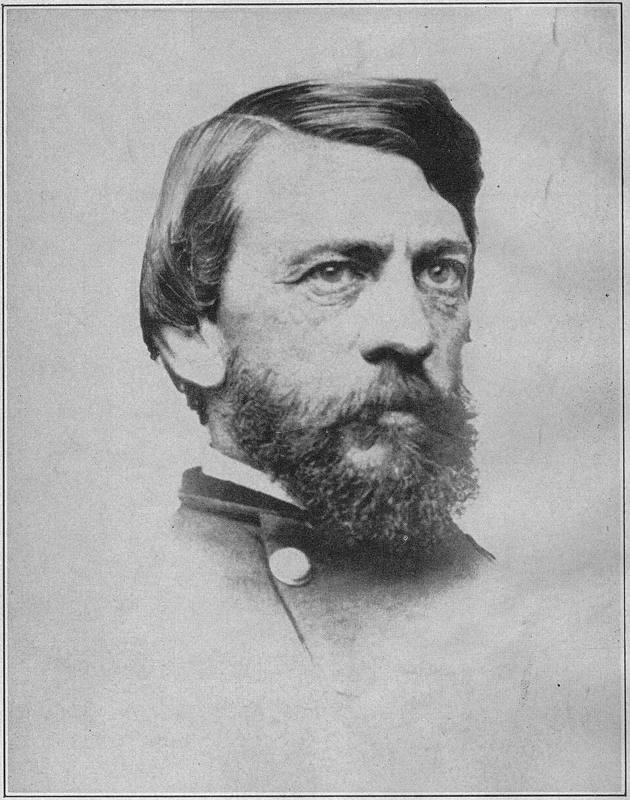
Key people
- Jonathan Letterman
- Medical director of the Army of the Potomac from July 1862
- George B. McClellan
- Commanding general who issued the ambulance order
Source
Jonathan Letterman, an army surgeon, reported to General George B. McClellan on the James River on 1 July 1862 and on the 4th took charge of the medical department of the Army of the Potomac. The army had just come through days of fighting in the Virginia swamps. Supplies were exhausted, hospital tents had been left behind or destroyed, and the ambulances were in no condition for service. They were controlled by both medical officers and quartermasters, Letterman wrote, so neither took care of them, and they were too often used for the convenience of commanding officers.
His remedy was published at McClellan's direction from Harrison's Landing on 2 August 1862. Each army corps got an ambulance corps under a captain, with a first lieutenant for each division, a second lieutenant for each brigade and a sergeant for each regiment, all mounted and under the medical director. A regiment had one transport cart, one four-horse and two two-horse ambulances, each ambulance with two stretchers, two bearers and a driver. Only men known to be active and efficient were to be detailed. The captain drilled them in lifting men from the ground and loading them, and reported every week whether any ambulance had carried anything but the sick, the wounded and medical supplies.
Antietam, on 17 September, came before the system reached every corps. Many ambulances had been left at Fortress Monroe, and 200 handed out just before the battle were unorganized. Even so, Letterman reported, the wounded on the right were brought in before two o'clock the next afternoon; on the left, where no system existed, medical officers worked to make up for it, with more success than he had expected. On 30 October he ordered that before any engagement each corps set up a hospital for each division, with a surgeon in charge, three operating surgeons with three assistants each, one officer to organize food and shelter, and another to record every case and see each grave marked with a head-board.
At Fredericksburg in December, ambulance trains carried the wounded back over the Rappahannock to division hospitals, and the town was searched afterwards so that no wounded man was left behind. In March 1864 Congress passed an act to establish a uniform system of ambulances in the armies of the United States, published by the War Department on 16 March.
Keep exploring
 Read next · same disease or problem
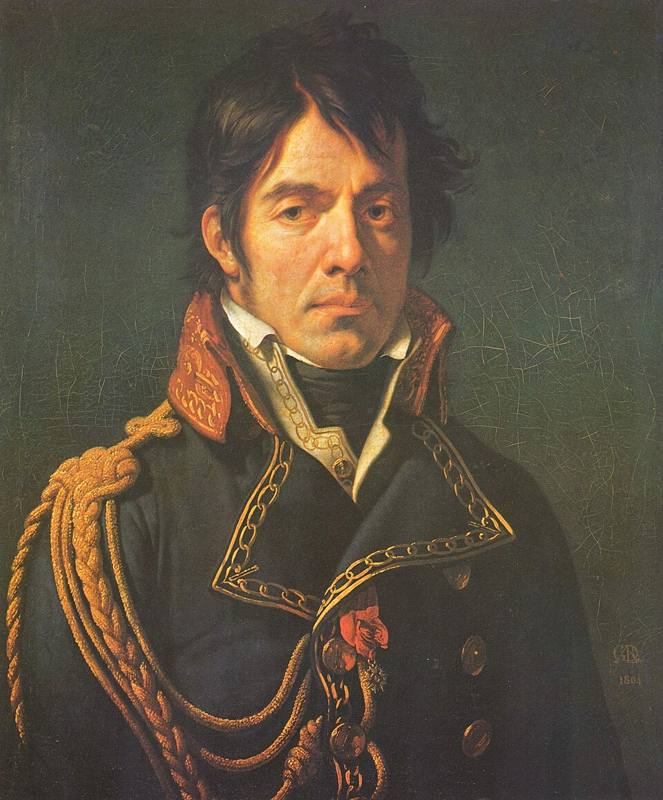
Larrey's flying ambulances and triage (c. 1792)
Both built systems to get battlefield wounded to care quickly, Letterman for the Union Army and Larrey for Napoleon's. Larrey's story shows fast ambulances reaching soldiers during the fighting and the sorting of casualties that became triage.
Read this moment
Read next · same disease or problem
Larrey's flying ambulances and triage (c. 1792)
Both built systems to get battlefield wounded to care quickly, Letterman for the Union Army and Larrey for Napoleon's. Larrey's story shows fast ambulances reaching soldiers during the fighting and the sorting of casualties that became triage.
Read this moment
 Today on The Clinical Times
Love to Dream recalls portable baby sound machine over fire and burn risk
Love to Dream has recalled its portable Sleep Machine because its lithium-ion battery can overheat while charging with an incompatible charger, creating a risk of fire and burns.
Read today’s top stories
Today on The Clinical Times
Love to Dream recalls portable baby sound machine over fire and burn risk
Love to Dream has recalled its portable Sleep Machine because its lithium-ion battery can overheat while charging with an incompatible charger, creating a risk of fire and burns.
Read today’s top stories
All 526 moments in the history of medicine. This one is in chapter 4, Germs, numbers and clean water
Connected moments
How this moment links to others in the history of medicine, and what you will find in each.
-
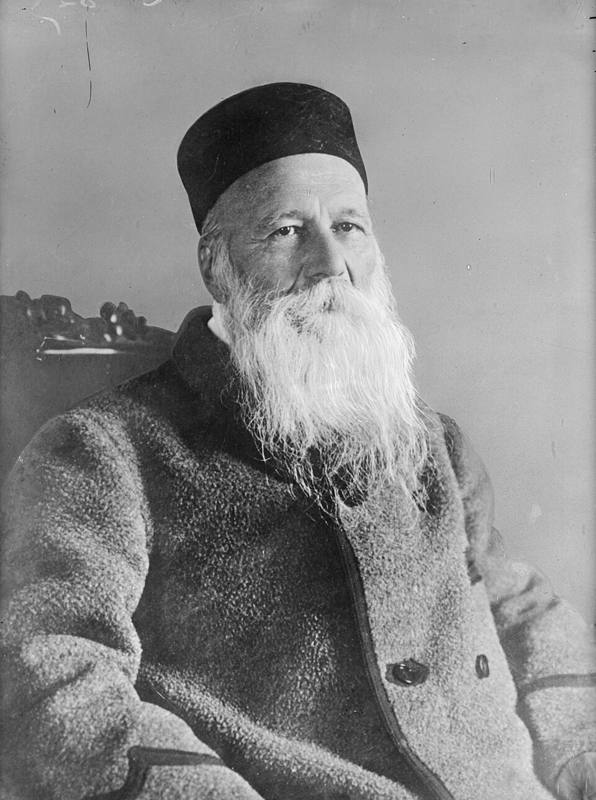 Same disease or problem1863Founding of the Red CrossLetterman organized care for the wounded of the Army of the Potomac, and the Red Cross set out to protect the wounded of every army. Its story shows the 1864 Geneva Convention obliging armies to care for the wounded of either side.Read this moment
- Same disease or problem1966Accidental Death and Disability reportLetterman proved that organized ambulances could bring the wounded in quickly, and a century later a report found American emergency care for the injured in a poor state. Its story shows how that report fed the building of emergency medical services.Read this moment