Patients & Rights
1863
Founding of the Red Cross
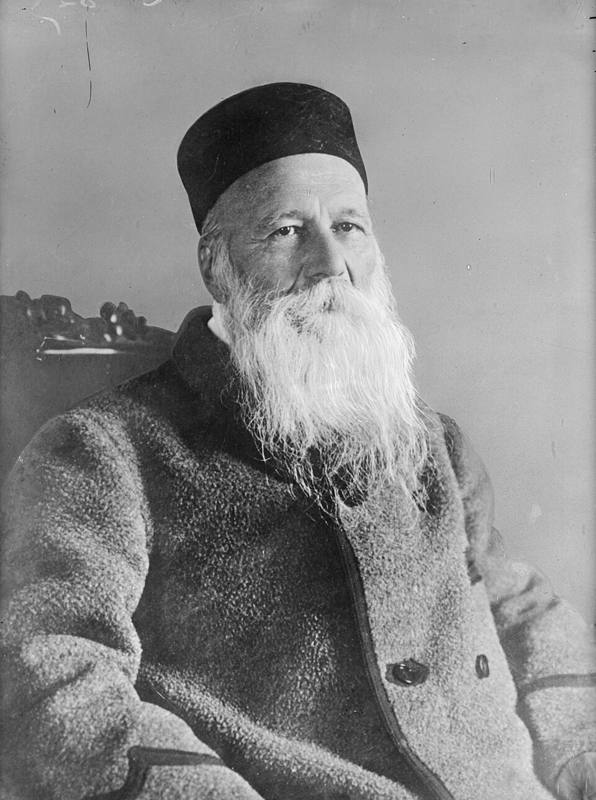
A Geneva committee formed in February 1863 to act on Henry Dunant's proposals for wounded soldiers. Within 18 months it had an agreed emblem, the first national society and the 1864 Geneva Convention, which obliged armies to care for the wounded of either side.
Key people
- Henry Dunant
- Genevan whose 1862 book proposed relief societies and a treaty
- Gustave Moynier
- Lawyer who presided over the committee from 1864 to 1910
- Guillaume Henri Dufour
- Swiss army general who chaired the committee in its first year
Source
Henry Dunant of Geneva helped wounded soldiers at the battle of Solferino in 1859 and came away lobbying political leaders to do more for the victims of war. In 1862 he set out two proposals in his book A Souvenir of Solferino: a treaty that would oblige armies to care for all wounded soldiers, and national societies of volunteers to help military medical services.
In February 1863 the Geneva Public Welfare Society took up the ideas and appointed a committee of five Swiss citizens. General Guillaume Henri Dufour of the Swiss army chaired it in its first year. Gustave Moynier, a young lawyer who headed the Welfare Society, supplied the organizing drive and presided over the committee from 1864 until 1910. The other members were two physicians, Louis Appia and Théodore Maunoir, and Dunant, its secretary.
An international conference followed in October 1863, with sixteen nations taking part. The delegates urged every country to form volunteer units for sick and wounded soldiers and agreed on a common sign for medical personnel, a red cross on a white background. The first national society was founded that November in the German state of Württemberg.
Law came next. At the Swiss government's invitation a diplomatic conference met in Geneva the following year, and on 22 August 1864 twelve states signed the first Geneva Convention. It required armies to care for wounded soldiers whatever side they were on, guaranteed the neutrality of medical personnel and equipment, and made the red cross their official emblem. In 1864 the committee also sent its first delegates into a war, to each side of the front in the fighting between Germany and Denmark.
In the 1870s the Ottoman Empire adopted a red crescent in place of the cross. Later conventions extended protection to victims of war at sea, to prisoners of war and to civilians.
Keep exploring
 Read next · led to
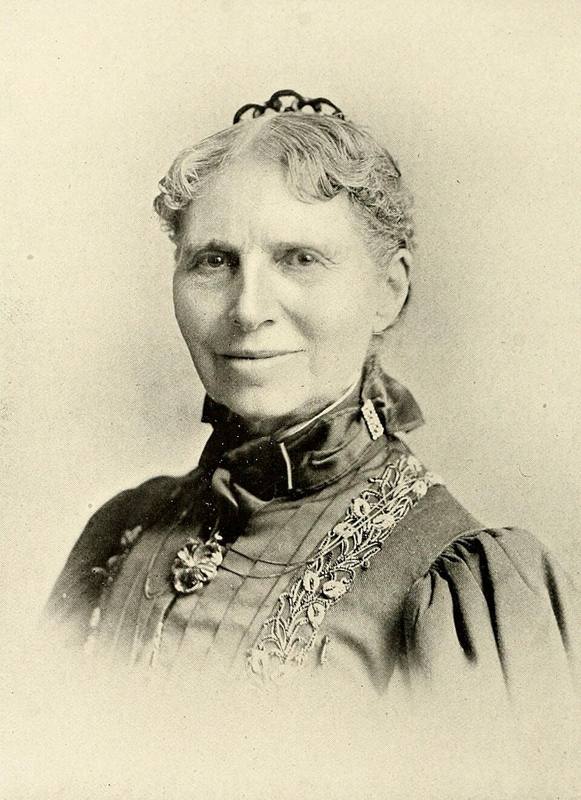
Clara Barton and the American Red Cross (1881)
Clara Barton founded an American Red Cross society in 1881, after years of contact with Geneva committee members Appia and Moynier. Her story shows the United States joining the Geneva Convention and the society taking on peacetime disaster relief.
Read this moment
Read next · led to
Clara Barton and the American Red Cross (1881)
Clara Barton founded an American Red Cross society in 1881, after years of contact with Geneva committee members Appia and Moynier. Her story shows the United States joining the Geneva Convention and the society taking on peacetime disaster relief.
Read this moment
 Today on The Clinical Times
Love to Dream recalls portable baby sound machine over fire and burn risk
Love to Dream has recalled its portable Sleep Machine because its lithium-ion battery can overheat while charging with an incompatible charger, creating a risk of fire and burns.
Read today’s top stories
Today on The Clinical Times
Love to Dream recalls portable baby sound machine over fire and burn risk
Love to Dream has recalled its portable Sleep Machine because its lithium-ion battery can overheat while charging with an incompatible charger, creating a risk of fire and burns.
Read today’s top stories
All 526 moments in the history of medicine. This one is in chapter 4, Germs, numbers and clean water
Connected moments
How this moment links to others in the history of medicine, and what you will find in each.
-
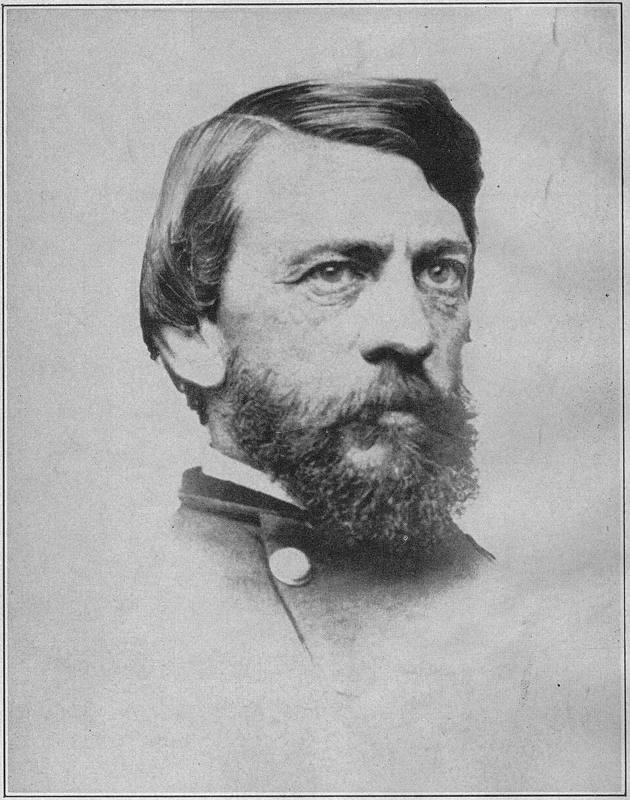 Same disease or problem1862Letterman's ambulance and field hospital systemBoth answered the neglect of wounded soldiers, the Red Cross by treaty and Letterman by organizing ambulances in the field. Letterman's story shows trained stretcher bearers and division hospitals prepared before battle.Read this moment
-
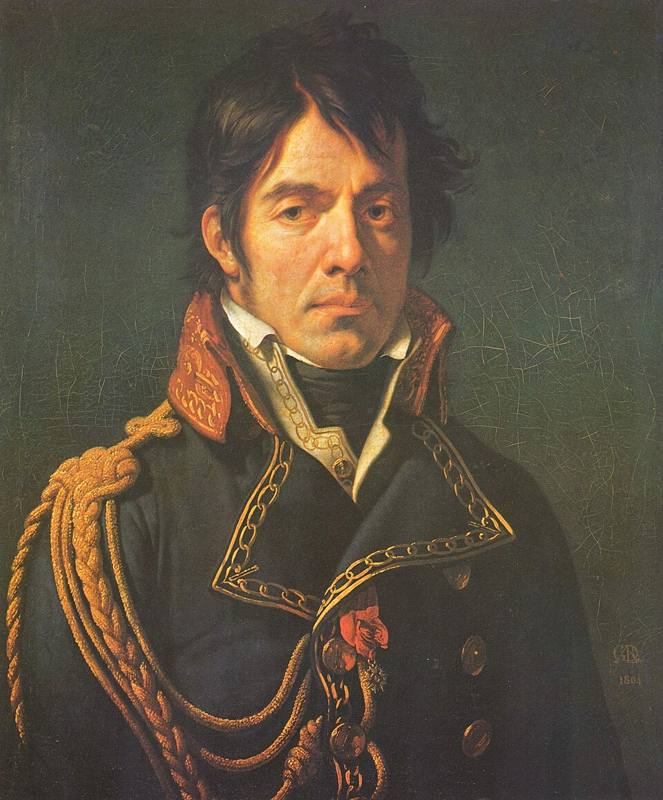 Same disease or problemc. 1792Larrey's flying ambulances and triageBoth tried to save wounded soldiers left on the field, Larrey with fast ambulances and the Red Cross with the Geneva Convention. Larrey's story shows casualties treated by severity of wounds instead of by rank.Read this moment
-
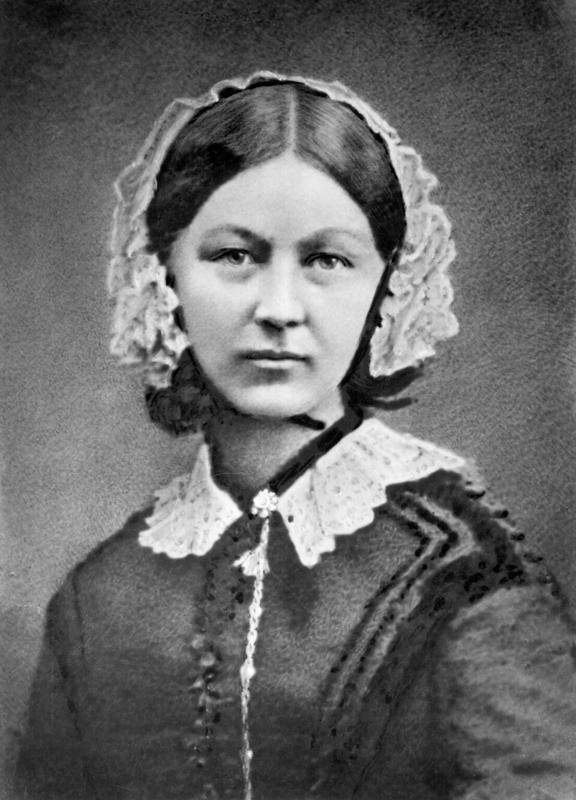 Same disease or problem1854Florence Nightingale at ScutariBoth were moved by the suffering of wounded and sick soldiers in the wars of the 1850s. Nightingale's story shows her nurses cleaning up the Barrack Hospital at Scutari, where the death rate fell by two thirds.Read this moment