Patients & Rights
1854
Florence Nightingale at Scutari
In November 1854 Florence Nightingale arrived at the British army's Barrack Hospital at Scutari with 38 nurses, the first women nurses sent to British military hospitals. She reorganized supplies, food and cleaning, and the hospital's death rate later fell by two thirds.
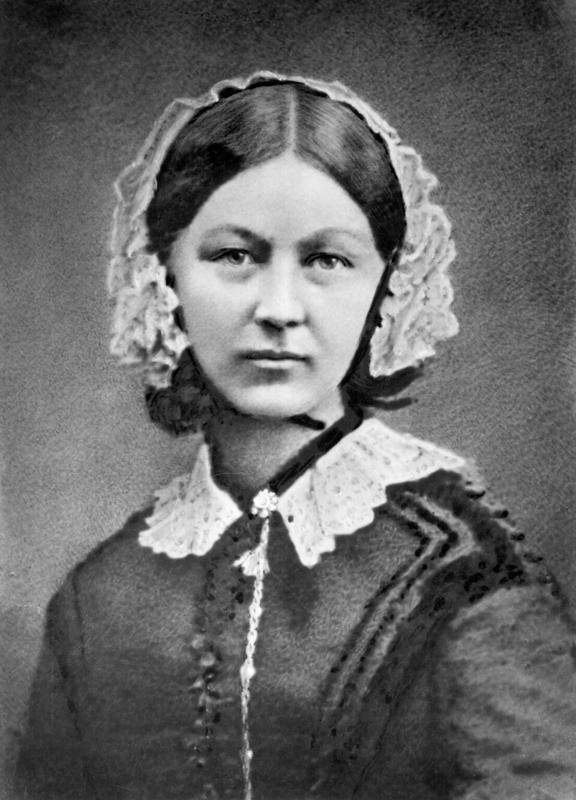
Key people
- Florence Nightingale
- Superintendent of the nurses sent to the army hospital at Scutari
- Sidney Herbert
- Secretary of War who asked Nightingale to lead the nurses
Source
On 12 October 1854 The Times reported that sick and wounded British soldiers in the Crimean War lacked nurses and even linen for bandages. Florence Nightingale, superintendent of a hospital for gentlewomen in Harley Street, had trained briefly in Germany. Sidney Herbert, the Secretary of War, asked her to take a party of about 40 nurses to the Barrack Hospital at Scutari, now the Üsküdar district of Istanbul. No women nurses had been sent to British military hospitals before. She chose 38, among them Anglican sisters and Catholic nuns, and they arrived in November.
The hospital was filthy. There was no clean linen, rats lived under the beds, and about 2,000 soldiers shared 14 baths. Men died of typhus, typhoid, cholera and dysentery ten times as often as of their wounds. In one letter Nightingale wrote that 4,000 men had come in over 17 days around the turn of 1855, many with only a dirty blanket, and that deaths reached 70 to 80 a day before peaking in mid-February.
She bought 200 Turkish towels, supplied clean shirts, soap, plates, cutlery and cups, brought food from England, cleaned the kitchens and set her nurses to scrubbing the wards. Army officers she thought incompetent found her unfeminine and a nuisance. At night, after the medical officers had gone, she made her rounds, which earned her the name the Lady with the Lamp. The hospital's death rate fell by two thirds.
Nightingale later showed the army's deaths in a polar area diagram comparing 1854 to 1855, when sanitation was poor and disease killed most, with 1855 to 1856, after it had improved. She was later the first woman elected to what is now the Royal Statistical Society.
Keep exploring
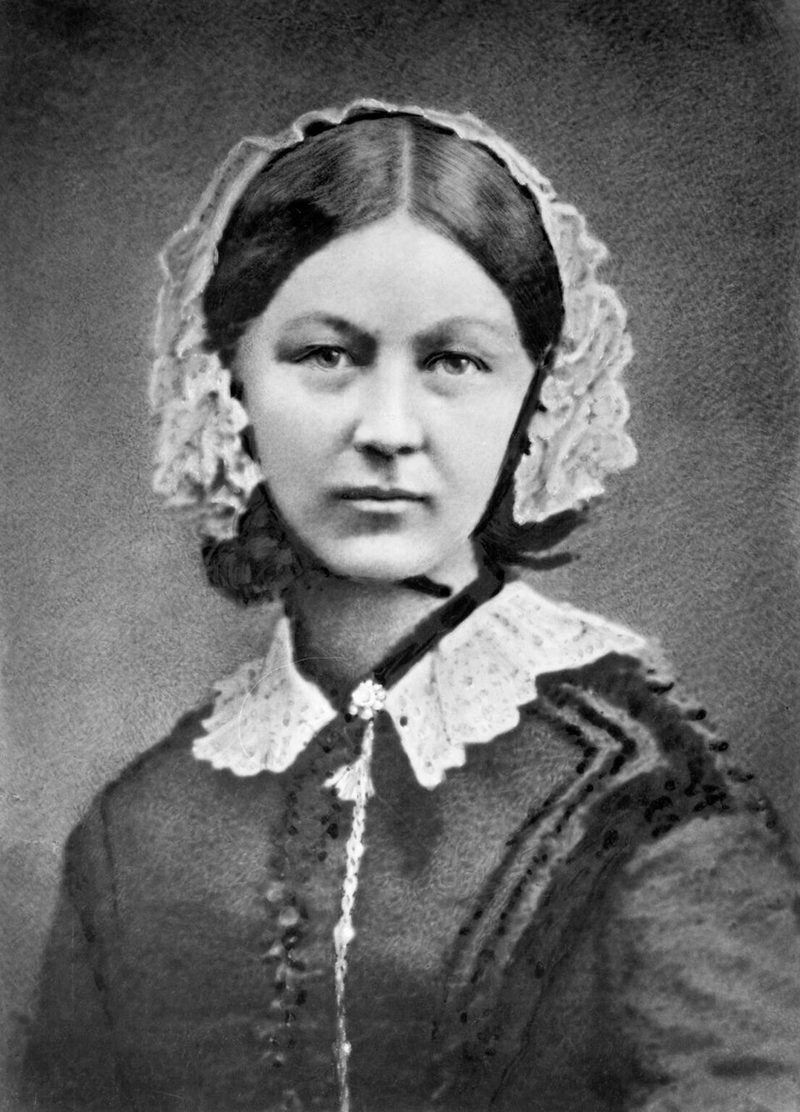 Read next · same person
Nightingale Training School for Nurses (1860)
Nightingale came home from the Crimea a heroine, and the fund raised in her name opened a nursing school in 1860. Its story shows how graduates of St Thomas' went on to lead training schools elsewhere.
Read this moment
Read next · same person
Nightingale Training School for Nurses (1860)
Nightingale came home from the Crimea a heroine, and the fund raised in her name opened a nursing school in 1860. Its story shows how graduates of St Thomas' went on to lead training schools elsewhere.
Read this moment
 Today on The Clinical Times
Love to Dream recalls portable baby sound machine over fire and burn risk
Love to Dream has recalled its portable Sleep Machine because its lithium-ion battery can overheat while charging with an incompatible charger, creating a risk of fire and burns.
Read today’s top stories
Today on The Clinical Times
Love to Dream recalls portable baby sound machine over fire and burn risk
Love to Dream has recalled its portable Sleep Machine because its lithium-ion battery can overheat while charging with an incompatible charger, creating a risk of fire and burns.
Read today’s top stories
All 526 moments in the history of medicine. This one is in chapter 4, Germs, numbers and clean water
Connected moments
How this moment links to others in the history of medicine, and what you will find in each.
-
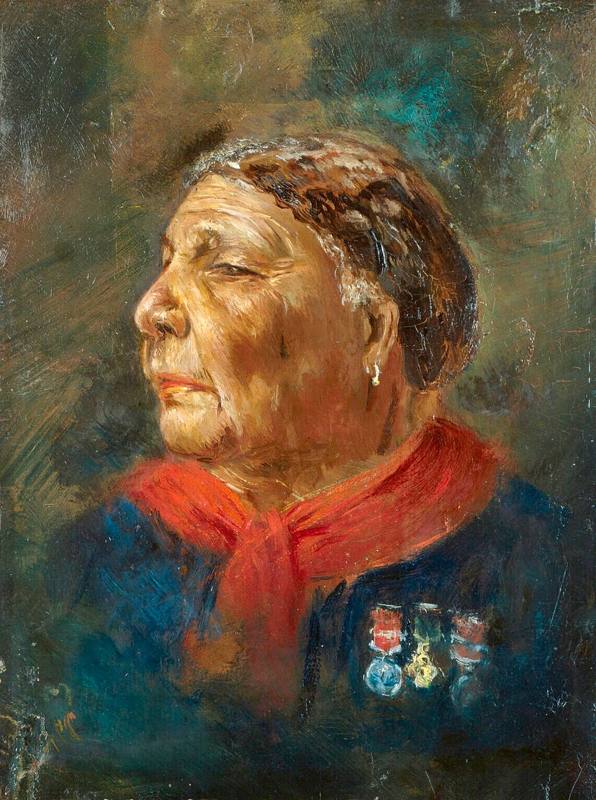 Same person1855Mary Seacole in the CrimeaMary Seacole visited Scutari and met Nightingale on her way to the war, after being refused a place among the army nurses. Her story shows the British Hotel she built near Balaclava and her care of soldiers under fire.Read this moment
-
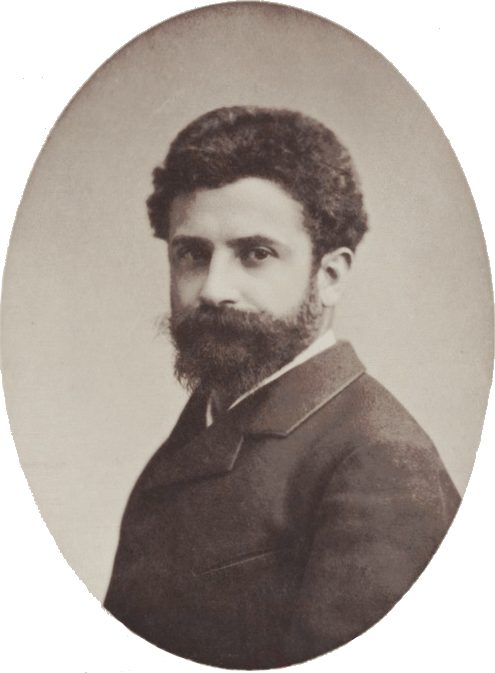 Same person1948ICD-6 and the classification of illnessNightingale, who charted the army's deaths at Scutari, later urged Farr's classification for hospital statistics. The ICD 6 story shows that classification growing into an international list of causes of illness as well as death.Read this moment
-
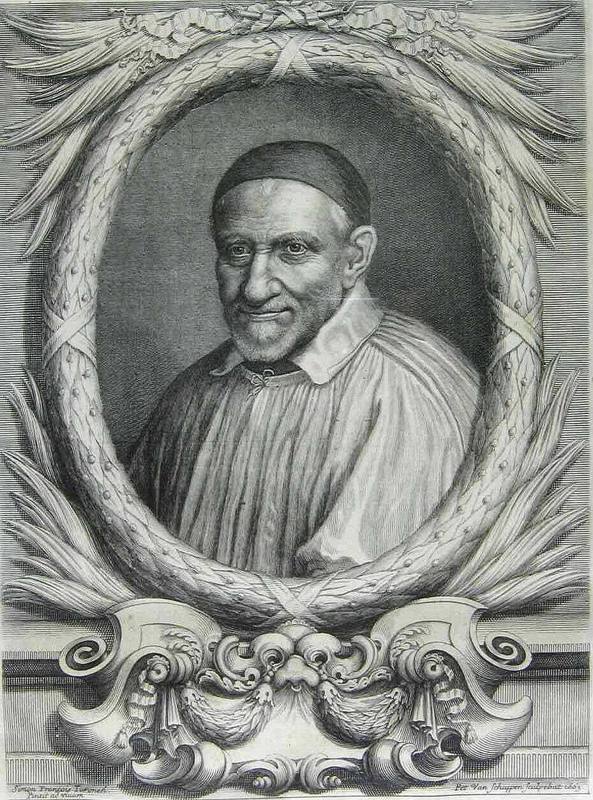 Same disease or problem1633The Daughters of CharityBoth brought women nurses to the sick and to soldiers, the Daughters of Charity from 1633 and Nightingale's party in 1854. The Daughters' story shows a community that left the cloister to nurse the poor in their homes and on battlefields.Read this moment