Patients & Rights
1855
Mary Seacole in the Crimea
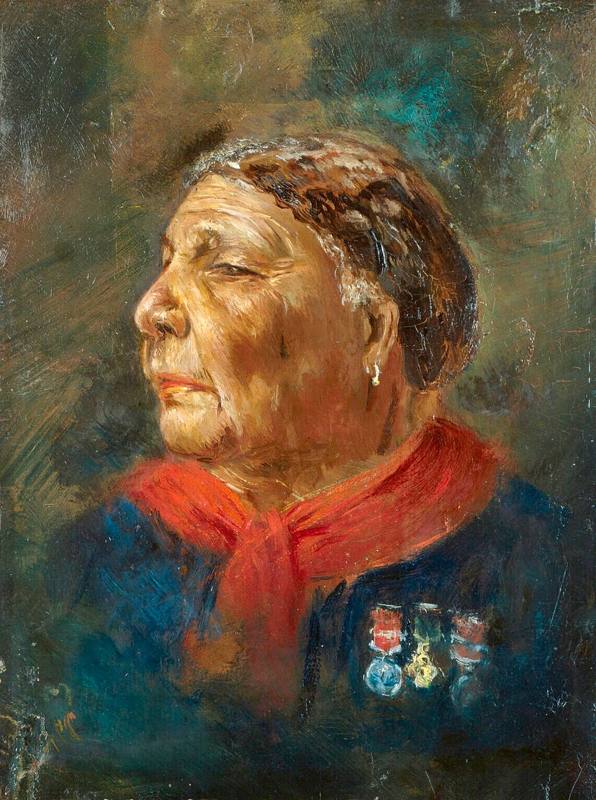
Refused a place among the army nurses, the Jamaican healer Mary Seacole paid her own way to the Crimean War. Near Balaclava she opened the British Hotel, a store and canteen for officers and men, and treated soldiers in the camp and on the battlefield.
Key people
- Mary Seacole
- Jamaican nurse and healer who cared for soldiers in the Crimea
- W. H. Russell
- Times war correspondent who introduced her 1857 memoir
Source
Mary Seacole was born in Kingston, Jamaica, the daughter of a Scottish soldier and a Jamaican mother who ran a lodging house and was skilled in traditional Caribbean medicine. Army and navy surgeons who stayed in the house taught her what they knew, and she became known as a nurse and doctress. She tended the sick through cholera and yellow fever in Jamaica and through cholera at Cruces in Panama, whose people called her their yellow doctress.
When the Crimean War began she went to London to offer her services. She tried the Secretary at War, the Quartermaster-General's department and the Medical Department, and asked one of Florence Nightingale's companions to take her among the nurses; all refused, and the managers of the Crimean Fund would not give her a passage. In her memoir she asked whether prejudice against her darker skin lay behind the refusals. She set up a business with a partner, Mr. Day, and paid her own way east.
On the way she visited the hospital at Scutari and met Nightingale, then went on to Balaclava. About two miles from the harbor, at a site they named Spring Hill, she and Day put up the British Hotel, a store and canteen for officers and men, which was also the base for her care of the sick. She treated wounded soldiers in the field, under fire before the Redan on 18 June 1855 and again at the battle of the Tchernaya, and she entered Sebastopol after it fell.
When peace came the partners had to sell off their stock at a heavy loss. Her memoir, Wonderful Adventures of Mrs. Seacole in Many Lands, was published in London in 1857 with an introduction by W. H. Russell, the Times correspondent in the Crimea.
Keep exploring
 Read next · same disease or problem
Florence Nightingale at Scutari (1854)
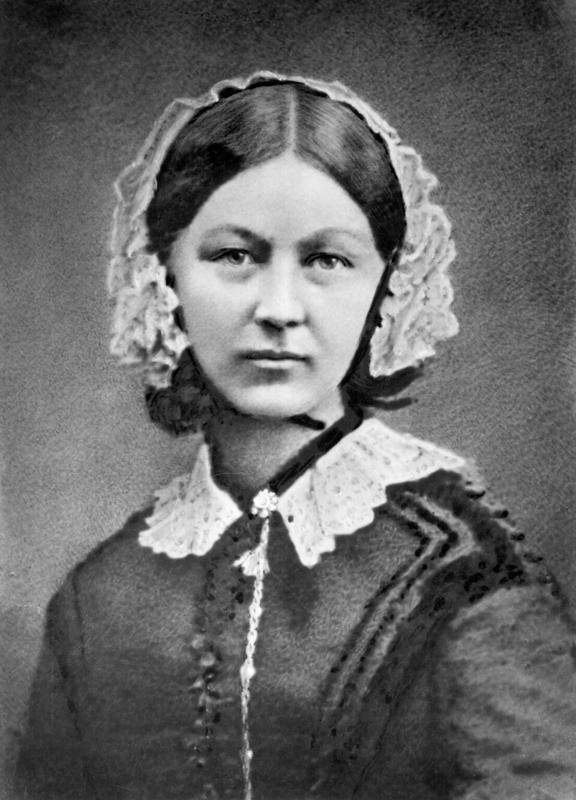
Both cared for British soldiers in the Crimean War, and Seacole, refused a place among Nightingale's nurses, met her at Scutari on the way. Nightingale's story shows the filthy Barrack Hospital she reorganized and its death rate falling by two thirds.
Read this moment
Read next · same disease or problem
Florence Nightingale at Scutari (1854)
Both cared for British soldiers in the Crimean War, and Seacole, refused a place among Nightingale's nurses, met her at Scutari on the way. Nightingale's story shows the filthy Barrack Hospital she reorganized and its death rate falling by two thirds.
Read this moment
 Today on The Clinical Times
Love to Dream recalls portable baby sound machine over fire and burn risk
Love to Dream has recalled its portable Sleep Machine because its lithium-ion battery can overheat while charging with an incompatible charger, creating a risk of fire and burns.
Read today’s top stories
Today on The Clinical Times
Love to Dream recalls portable baby sound machine over fire and burn risk
Love to Dream has recalled its portable Sleep Machine because its lithium-ion battery can overheat while charging with an incompatible charger, creating a risk of fire and burns.
Read today’s top stories
All 526 moments in the history of medicine. This one is in chapter 4, Germs, numbers and clean water
Connected moments
How this moment links to others in the history of medicine, and what you will find in each.
-
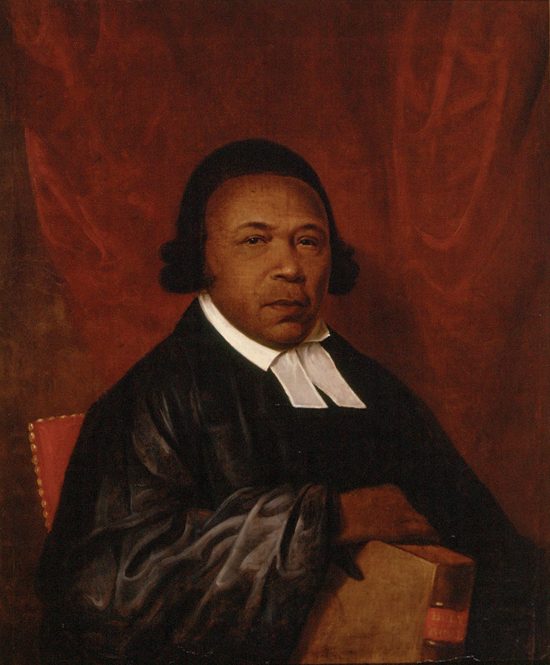 Same disease or problem1793Philadelphia's yellow fever epidemic of 1793Seacole nursed yellow fever and cholera in Jamaica and Panama, and Black Philadelphians nursed yellow fever victims in 1793 when others fled. Their story shows the nurses and gravediggers organized by Absalom Jones and Richard Allen.Read this moment
-
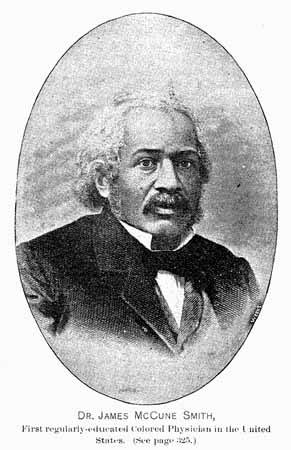 Same disease or problem1837James McCune Smith's medical degreeSeacole wondered whether prejudice against her darker skin lay behind her refusals, and McCune Smith was turned away by American medical colleges because of his race. His story shows him earning his degree in Glasgow instead.Read this moment