Critical & Organ Care
c. 1792
Larrey's flying ambulances and triage
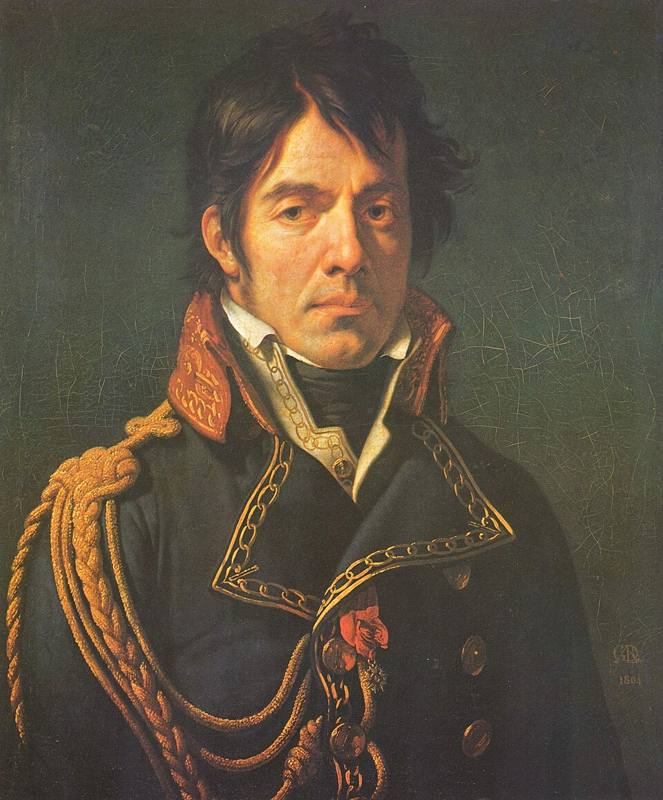
French army surgeon Dominique-Jean Larrey built fast horse-drawn flying ambulances to reach the wounded during battle, not a day or more after it, and sorted casualties by the severity of their wounds instead of by rank, the practice later called triage.
Key people
- Dominique-Jean Larrey
- French military surgeon who created the flying ambulance
- François Percy
- French army surgeon who helped organize the casualty care system
Source
Dominique-Jean Larrey (1766 to 1842) joined the French Army of the Rhine as a surgeon in 1792. Military regulations then kept the ambulances, the mobile field hospitals, a league behind the army. The wounded lay on the field until the fighting ended and were then collected at a convenient spot, and the ambulances, held up by the baggage wagons in between, never arrived in less than 24 or 36 hours. After the capture of Speyer that autumn, Larrey wrote, a great part of the wounded died for want of assistance.
This gave him the idea of an ambulance that could carry the wounded away during the battle itself, a carriage suspended so as to combine speed with solidity and comfort. He built his flying ambulance during the Rhine campaign and took it to the advanced guard in the snow-covered mountains near Königstein. In Italy in 1797, on the orders of the commander in chief, he perfected the design and made it a permanent part of the army's organization.
Larrey also sorted the wounded by how badly they were hurt and treated the most urgent first, whatever their rank, where custom had been to treat officers before ordinary soldiers. The word triage comes from the French trier, to sort, and a 2006 review in the Emergency Medicine Journal traces the practice to Larrey around 1792; François Percy also helped build the army medical service's system for handling casualties. Larrey favored amputation within a day of injury, before infection set in, and at Borodino in 1812 he is reported to have performed about 200 amputations in a single day.
He served in the campaigns in Italy, Egypt and Russia and became surgeon in chief of Napoleon's Imperial Guard. His Memoirs of Military Surgery appeared in English in 1814. The sorting of casualties into immediate, urgent and non-urgent groups is still used in mass-casualty and battlefield triage.
Keep exploring
 Read next · same disease or problem
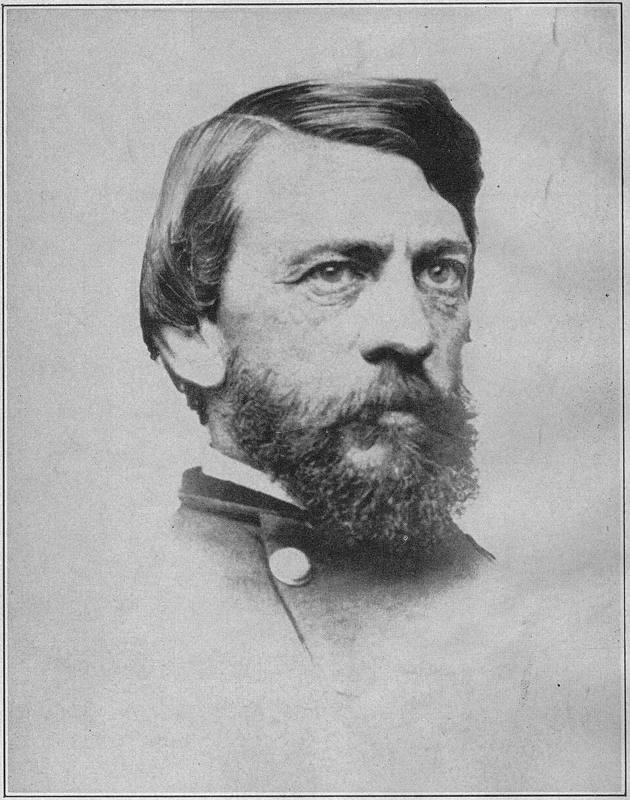
Letterman's ambulance and field hospital system (1862)
Both built systems to get battlefield wounded to care quickly, Larrey for Napoleon's armies and Letterman for the Union Army. Letterman's story shows trained ambulance corps and field hospitals organized during the American Civil War.
Read this moment
Read next · same disease or problem
Letterman's ambulance and field hospital system (1862)
Both built systems to get battlefield wounded to care quickly, Larrey for Napoleon's armies and Letterman for the Union Army. Letterman's story shows trained ambulance corps and field hospitals organized during the American Civil War.
Read this moment
 Today on The Clinical Times
Love to Dream recalls portable baby sound machine over fire and burn risk
Love to Dream has recalled its portable Sleep Machine because its lithium-ion battery can overheat while charging with an incompatible charger, creating a risk of fire and burns.
Read today’s top stories
Today on The Clinical Times
Love to Dream recalls portable baby sound machine over fire and burn risk
Love to Dream has recalled its portable Sleep Machine because its lithium-ion battery can overheat while charging with an incompatible charger, creating a risk of fire and burns.
Read today’s top stories
All 526 moments in the history of medicine. This one is in chapter 3, Anatomy and observation
Connected moments
How this moment links to others in the history of medicine, and what you will find in each.
-
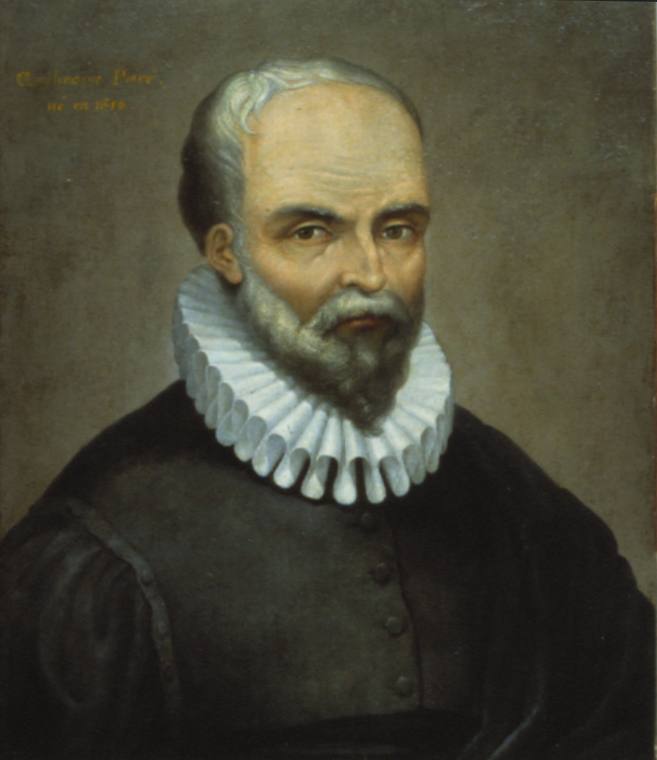 Same disease or problem1545Paré's Treatise on Gunshot WoundsBoth were French army surgeons trying to save the wounded of battle. Paré's story shows gunshot wounds dressed with a mild salve instead of boiling oil, and vessels tied off in amputations.Read this moment
-
 Same disease or problem1967Freedom House paramedics and the 911 numberLarrey brought care to the wounded during battle instead of a day later, and Freedom House brought advanced care into the ambulance. Its story shows Black residents of Pittsburgh trained as the model for national paramedic standards.Read this moment
-
 Same disease or problem1863Founding of the Red CrossBoth answered the neglect of wounded soldiers left on the field. The Red Cross story shows how Dunant's proposals led to the 1864 Geneva Convention, which obliged armies to care for the wounded of either side.Read this moment