Surgery & Anesthesia
1545
Paré's Treatise on Gunshot Wounds
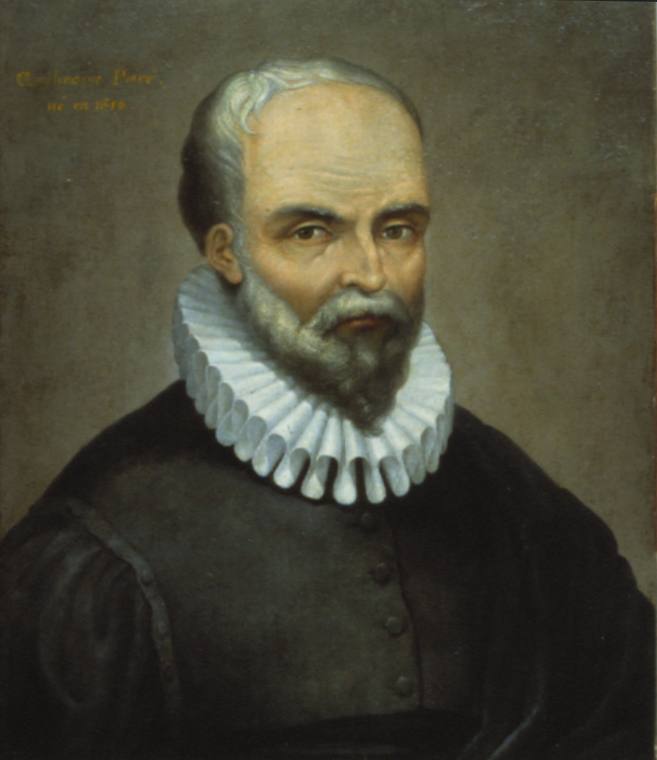
Ambroise Paré, a French army surgeon, published a method of dressing gunshot wounds with a mild salve in place of boiling oil after seeing that soldiers spared the oil fared better, and later tied off vessels in amputations in place of hot irons.
Key people
- Ambroise Paré
- French army barber-surgeon, later first surgeon to the king
- Jacques Dubois (Sylvius)
- Paris medical professor who urged Paré to publish his method
- Jean de Vigo
- Surgical author who taught that gunshot wounds were poisoned
- Etienne Gourmelen
- Critic who attacked Paré's wound treatment and ligatures in 1580
Source
Surgeons in the 1530s were taught that a gunshot wound was poisoned by the powder. Jean de Vigo's surgery told them to cauterize it with oil of elderberry mixed with a little treacle, and army surgeons applied the oil to the wound as close to boiling as they could.
Ambroise Paré met the problem on his first campaign, when the French army crossed into northern Italy in 1537 and took the castle of Villaine. He had not yet passed the examination to join the community of barber-surgeons. He copied the other surgeons until his oil ran out, then dressed the remaining wounded with a digestive of egg yolk, oil of roses and turpentine. He slept badly, expecting those men to die of poison. At first light he found them in little pain, their wounds neither swollen nor inflamed, while the men treated with oil were feverish, swollen and in great pain. He resolved never again to burn wounded men so cruelly.
Jacques Dubois, the Paris professor known as Sylvius, heard of his methods and urged him to publish. The book appeared in 1545, signed by Paré as a master barber-surgeon of Paris, and was reprinted in 1552 and 1564. His collected works describe tests of the same kind on burns. He treated a scalded kitchen boy with crushed raw onions on a village woman's advice, and later put onions on one half of a burned guard's face and the usual remedies on the other; the onion side did not blister.
His second change came more slowly. The 1552 edition still relied on the cautery to stop bleeding after amputation. Paré discussed the question with Etienne de la Rivière and François Rasse, two surgeons of Saint Côme, and at the siege of Danvilliers in 1552 he tied off the vessels when he amputated an officer's leg. The officer went home on a wooden leg. In his Dix livres de la chirurgie of 1564 Paré published the method and advised readers to give up the cautery altogether.
Not everyone was persuaded. A surgeon named Comperat blamed the ligature for the death of Paré's brother-in-law, Gaspard Martin, after Paré amputated his leg, and in 1580 Etienne Gourmelen attacked both his wound dressings and his ligatures. Paré answered in his Apology, quoting ancient authors to show that the ligature itself was old and that his contribution was to use it in amputations.
Keep exploring
 Read next · same person
Vesalius's De Humani Corporis Fabrica (1543)
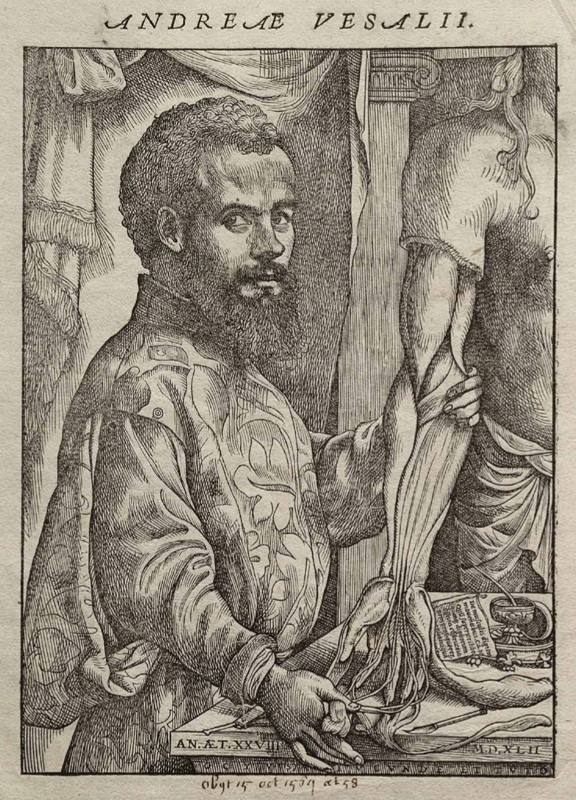
Jacques Dubois, called Sylvius, urged Paré to publish, and he also taught Vesalius before attacking him. Vesalius's story shows the other great challenge to received teaching in the 1540s, anatomy corrected from human dissection.
Read this moment
Read next · same person
Vesalius's De Humani Corporis Fabrica (1543)
Jacques Dubois, called Sylvius, urged Paré to publish, and he also taught Vesalius before attacking him. Vesalius's story shows the other great challenge to received teaching in the 1540s, anatomy corrected from human dissection.
Read this moment
 Today on The Clinical Times
Love to Dream recalls portable baby sound machine over fire and burn risk
Love to Dream has recalled its portable Sleep Machine because its lithium-ion battery can overheat while charging with an incompatible charger, creating a risk of fire and burns.
Read today’s top stories
Today on The Clinical Times
Love to Dream recalls portable baby sound machine over fire and burn risk
Love to Dream has recalled its portable Sleep Machine because its lithium-ion battery can overheat while charging with an incompatible charger, creating a risk of fire and burns.
Read today’s top stories
All 526 moments in the history of medicine. This one is in chapter 3, Anatomy and observation
Connected moments
How this moment links to others in the history of medicine, and what you will find in each.
-
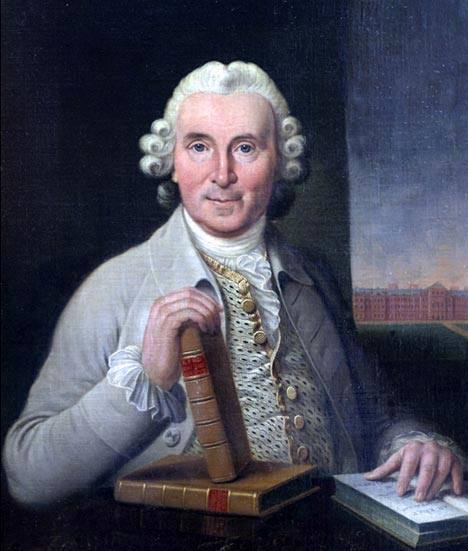 Same disease or problem1747Lind's Scurvy Trial on HMS SalisburyParé compared treatments side by side, oil against salve and onions on one half of a burned face. Lind's story shows the same idea made systematic, six scurvy remedies given to matched pairs of sailors.Read this moment
-
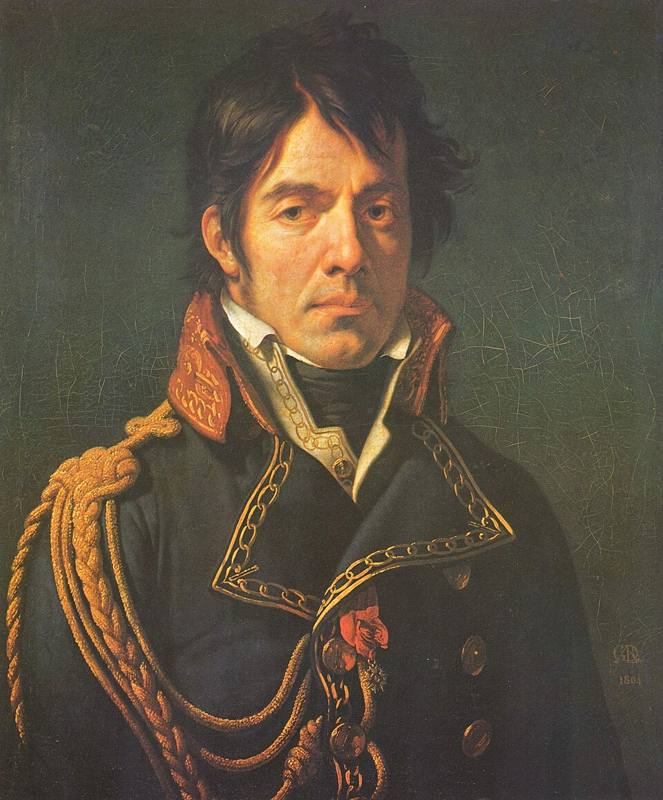 Same disease or problemc. 1792Larrey's flying ambulances and triageBoth were French army surgeons trying to save the wounded of battle. Larrey's story shows fast ambulances reaching soldiers during the fighting, and casualties sorted by the severity of their wounds instead of rank.Read this moment
-
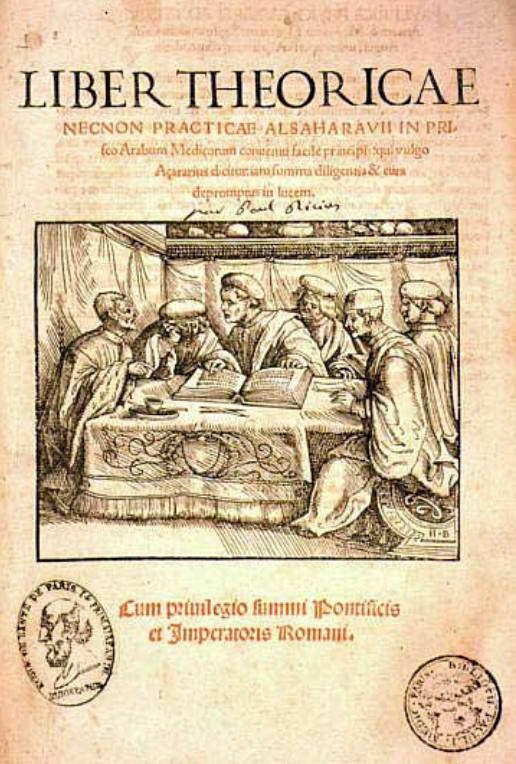 Same disease or problemc. 1000Al-Zahrawi's illustrated surgeryParé gave up the cautery that surgery had long relied on, and al-Zahrawi's surgery opens with cautery. Al-Zahrawi's book shows that older tradition, with its detailed drawings of instruments, read in Europe for centuries.Read this moment